Error code
Whirlpool-built Kenmore dishwasher error code F6 E3
Whirlpool wrote this code, not Kenmore. On a dishwasher wearing this badge, F6 E3 means: Whirlpool's own label: excessive suds. Which model prefixes can raise it, and what to do next.
- From $95 diagnostic, credited to the repair
- 59 cities and neighborhoods covered
- OEM parts available on order
- In writing the price, before anything is opened
What we can confirm
Code F6 E3, from the manufacturer's own documentation
A code is only meaningful together with the machine showing it — the same digits mean different things on different equipment.
What it narrows down to
Whirlpool's own label: excessive suds
What you are probably seeing
Diagnostic
From $95, credited to the repair
What it looks like from the kitchen
The symptom this code usually arrives with
A code names the subsystem; the symptom is what sent you to look at the display in the first place. That page says what it usually turns out to be, cheapest cause first.
-
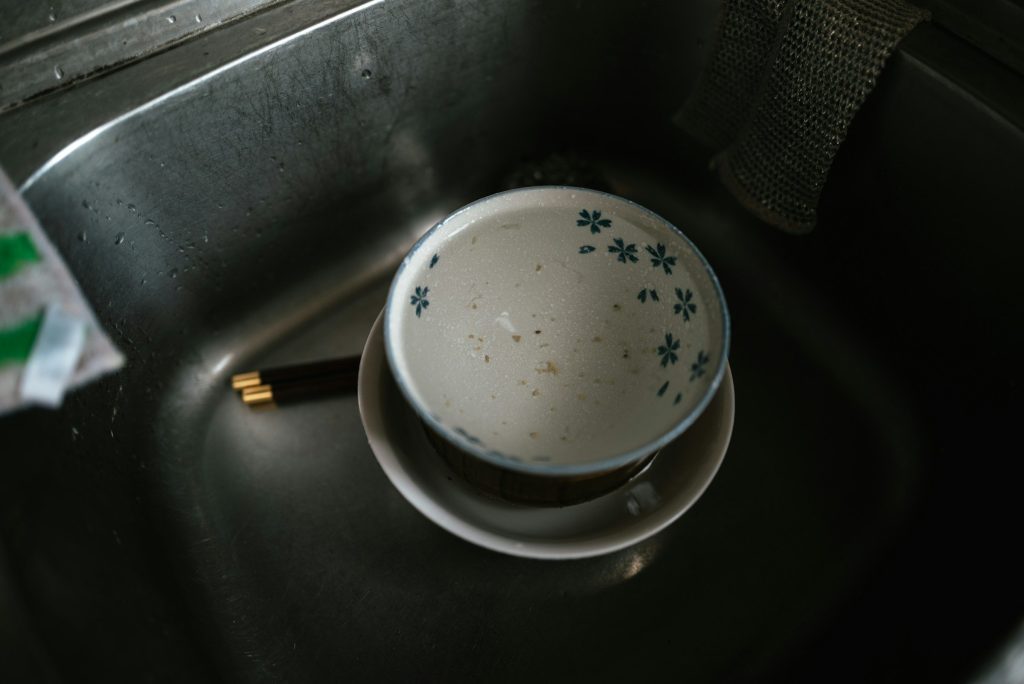
A full cycle later and the load comes out dirty Dishwasher not cleaning
On South Florida water a good share of these are chemistry and temperature rather than a failed component. The useful distinction is what is left on the dishes: grit is one story, film is a completely different one, and they lead to different places.
- Grit and film are two different problems
- Water temperature is measured, not assumed
- Hard water is a real factor here
On the same appliance
What else belongs to the dishwashers
On this make a code belongs to the appliance rather than to a product line. These are the other conditions this machine can display, and the models that can show this one — a display often has more than one thing to say, and the model number decides what any of it costs to put right.
Other codes this appliance can display
Whirlpool's own label is Long Drain: the dishwasher is not draining properly
A drain motor error
The fill valve is stuck open — the machine
Whirlpool's own wording: not detecting water
A fill valve electrical error
The water float switch
The heating system
The thermistor or the water quality sensor
A wash motor error
A diverter valve error
A diverter leak
Whirlpool's own label: control module
The same digits mean different things on different equipment. Search the full code list
In more detail
About Whirlpool-built Kenmore dishwasher error code F6 E3
Whose code this actually is
Kenmore did not write F6 E3, because Kenmore has never built an appliance. This one is Whirlpool's, and it appears on the dishwasher that Whirlpool built and Sears sold under the Kenmore badge. Whirlpool, Frigidaire and Bosch all built dishwashers for this badge, and their numbering overlaps enough to be convincing while meaning entirely different things.
What it means
Whirlpool's own label: excessive suds.
Which Kenmore models can raise it
The Kenmore dishwasher whose model number begins 665 — the three digits before the period on the rating plate. Those digits are Whirlpool's, which is why Whirlpool's table is the one that applies to F6 E3 and no other manufacturer's does.
Worth trying yourself, in this order
- Almost always hand-washing detergent that has found its way into the machine.
- Run a rinse cycle or two with nothing in it to clear the foam.
- It clears itself; the value here is knowing nothing is broken.
Where this usually goes
The job this most often becomes is diagnostic visit, and that page carries a starting figure and the reasons that move it. A Kenmore dishwasher on this water scales its heater and its spray arms faster than the manual assumes, so codes about temperature and wash performance are read here with the supply in mind first. Photograph the display before you cut the power: a reset clears F6 E3, and on a Kenmore the characters plus three digits off the plate are most of the diagnosis.
Where this meaning came from
Whirlpool's own documentation: Dishwasher error codes and flashing lights — Whirlpool Product Help. Kenmore publishes none of its own, which is why every entry on this site names the manufacturer's document instead.
This article is based on:
- Official manufacturer documentation
- Internal repair procedures
- Technician repair history
- Company quality standards