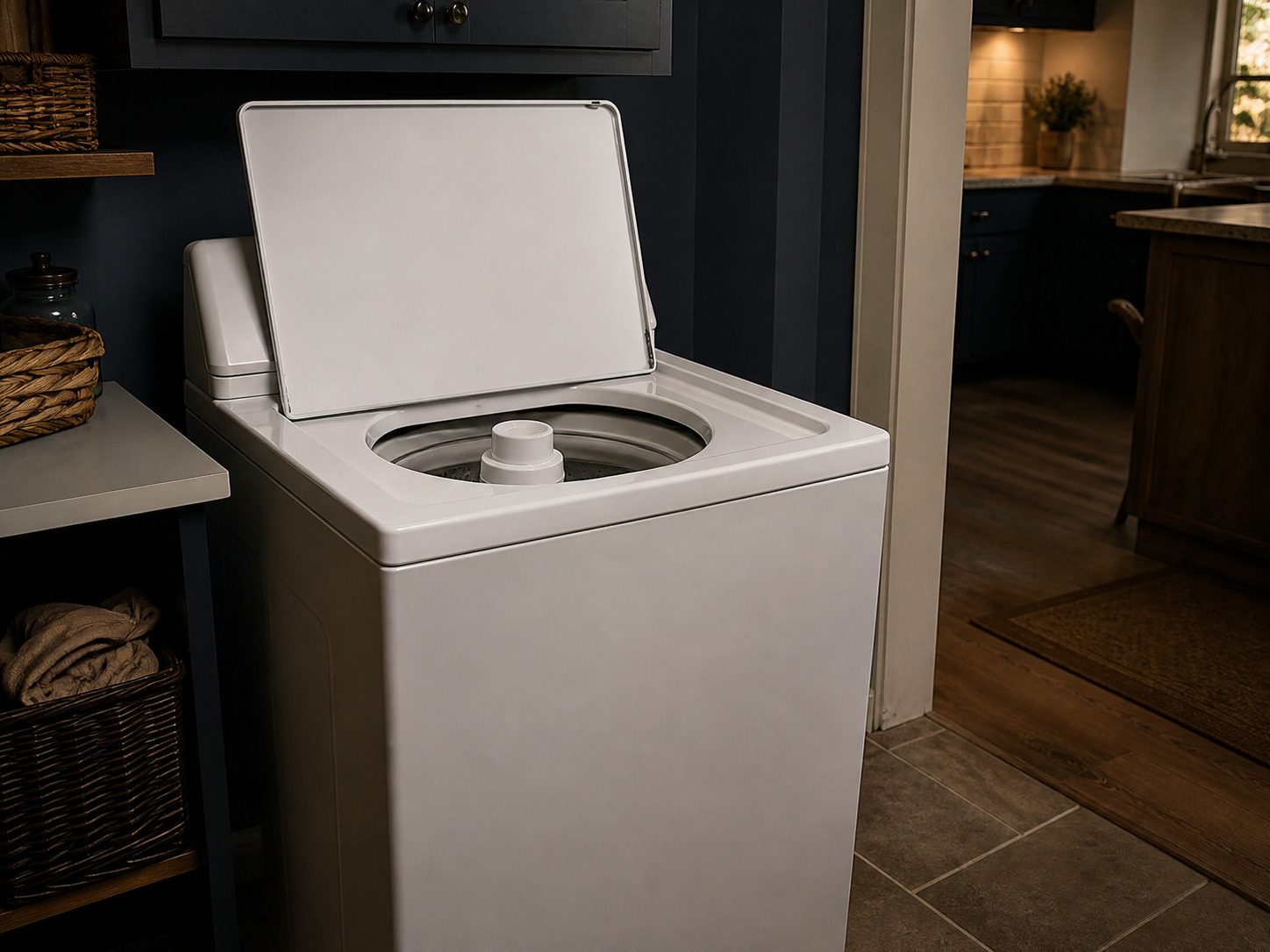
Appliance
Kenmore washers
Laundry is where the decode matters most, because a Kenmore washer can be a Whirlpool, an an LG, and those are two genuinely different machines. A 110 and a 796 do not share a pump, a control board, a diagnostic sequence or a code table, and they do not fail the same way. The model number is not a formality on this appliance — it is the difference between the right visit and the wrong one.
- 4 symptoms we are called out to
- From $95 diagnostic, credited to the repair
- 59 cities and neighborhoods covered
- OEM parts available on order
The short version
What this equipment is, for a repair
Configurations
Top-load and front-load · 110 and 796
Access
Planned before the visit, not discovered on arrival
Parts
OEM, available on order
Diagnostic
From $95, credited to the repair
What goes wrong with it
Symptoms we are called out to on Kenmore washers
Each one covers the likely causes in the order they are worth checking, and what to do in five minutes before booking anything.
-
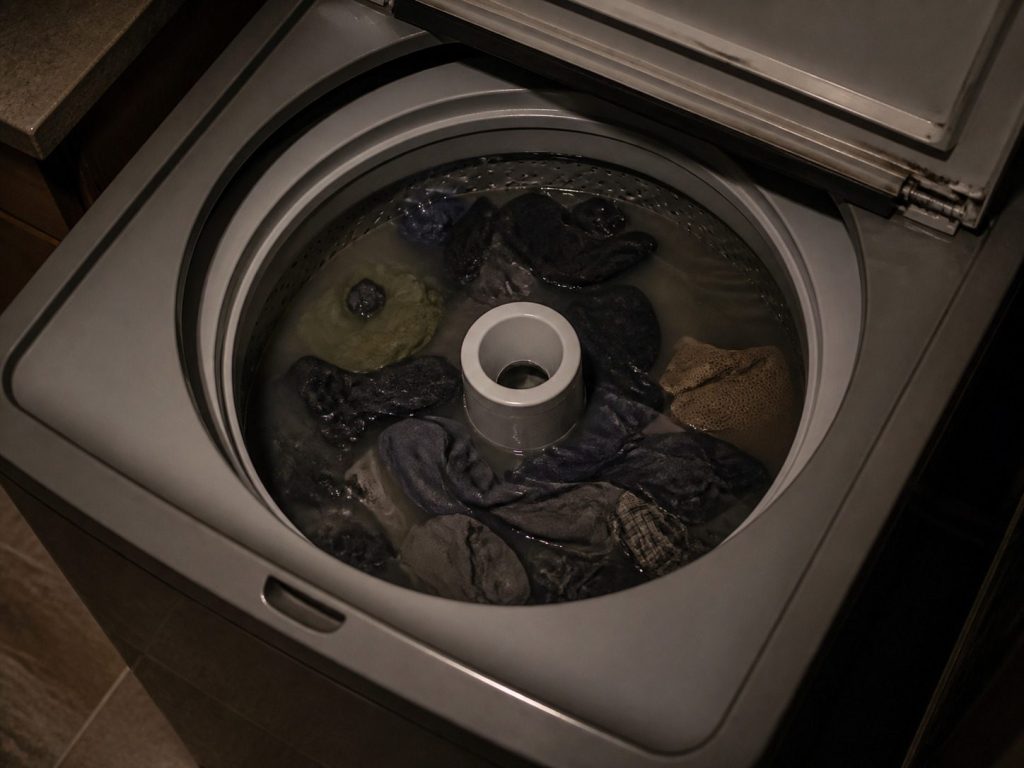
The cycle ended and the drum is still full Washer will not drain
This is the symptom where the decode earns its keep most visibly. A 110 is a Whirlpool and a 796 is an LG, and on this exact problem one of them will usually name it on the display while the other simply stops. The repair is similar; the phone call is completely different.
- 110 stops quietly, 796 usually says why
- The filter or coin trap comes before the pump
- The pump is blamed far more often than it fails
-
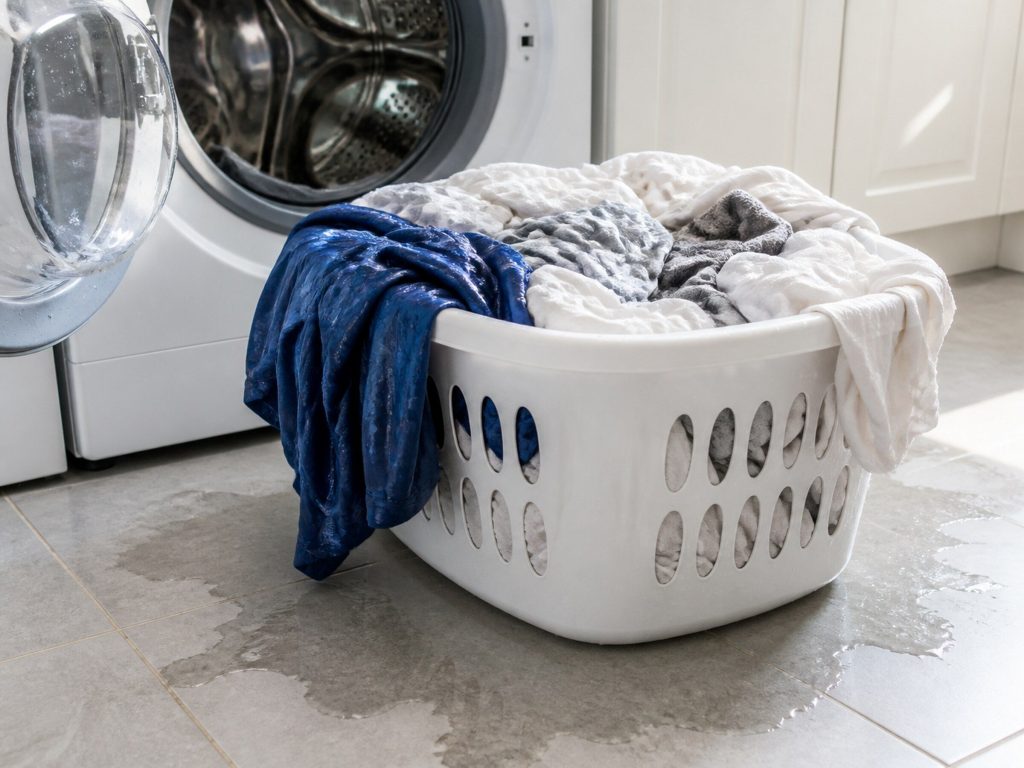
The load comes out soaking Washer will not spin
The cheap answers come first here and they are right most of the time. Every washer refuses to spin rather than risk it, so the things that stop a spin are mostly safety interlocks and load balance rather than the drive.
- Balance and the lock before the drive
- Two builders, two drive systems
- The motor is rarely the answer
-
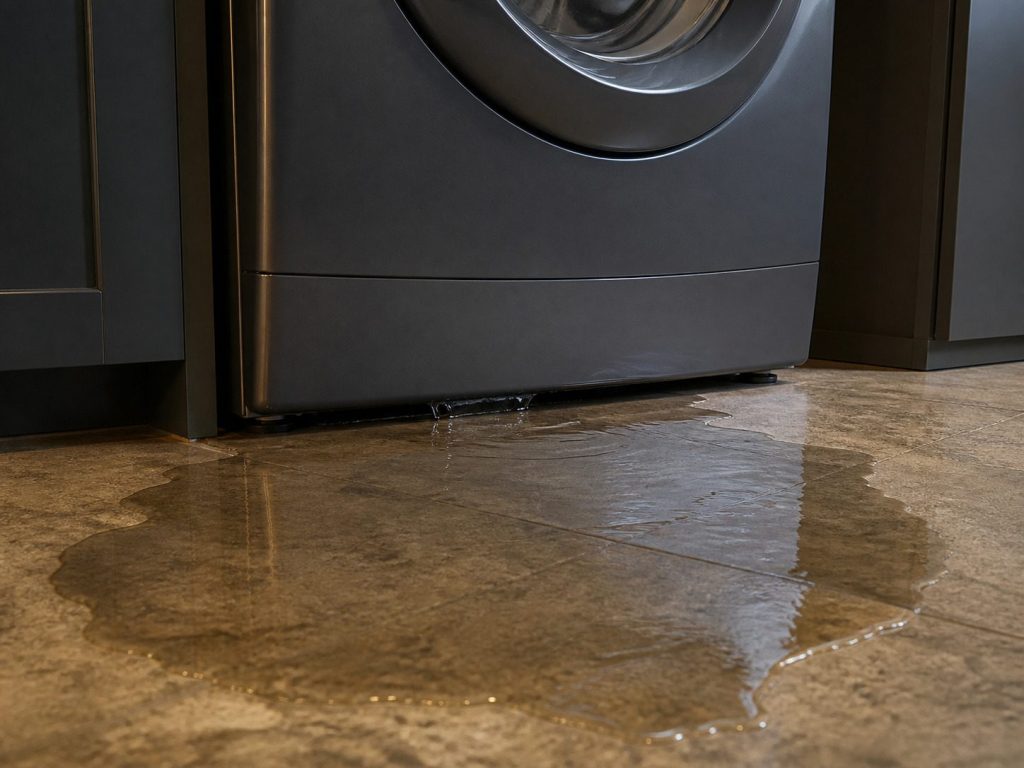
Water on the floor, and rarely from where it looks Washer leaking
The useful question is not where the water is but when it appears. Fill, wash, drain and spin put water in different places at different pressures, and which part of the cycle leaks narrows it faster than any inspection.
- When it leaks matters more than where
- Fill hoses are checked every visit
- The gasket fold is a local suspect
-
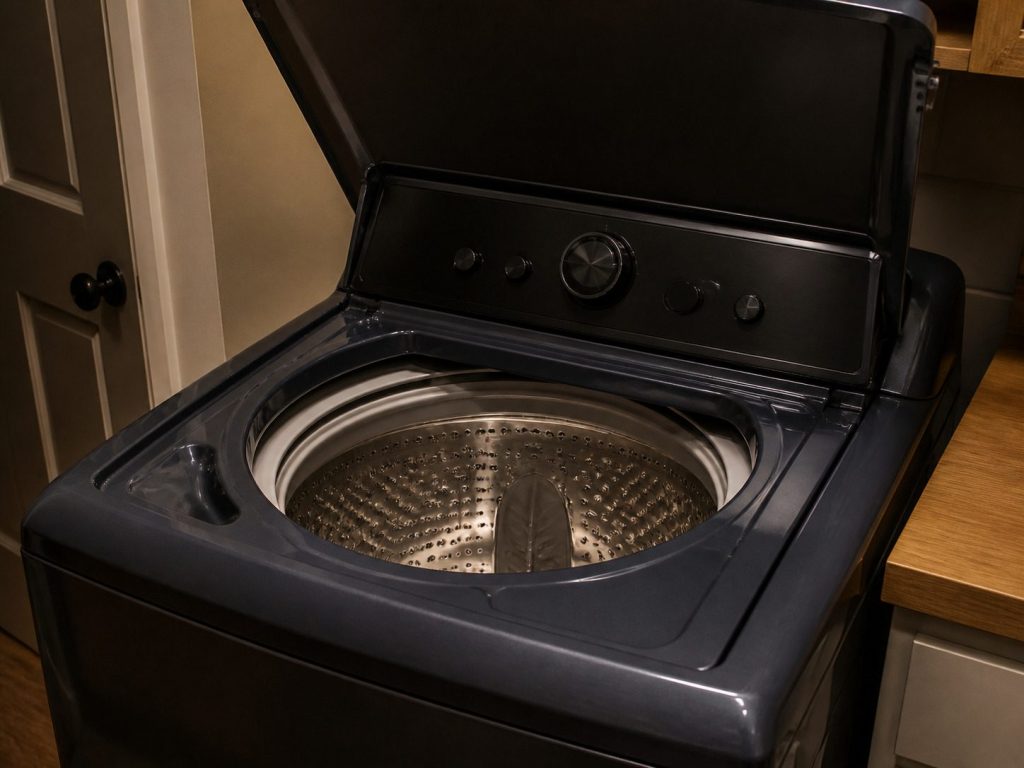
It is plugged in, the panel responds, and nothing happens Washer will not start
Almost always an interlock or a setting rather than a failure. Every one of these machines refuses to run rather than risk an open lid, and both manufacturers have a control lock that makes the panel look dead while nothing at all is wrong.
- The lid or door lock is the usual answer
- Control lock looks exactly like a failure
- Both builders publish a code for it
What we do on it
Repairs we carry out on Kenmore washers
Starting figures for this equipment in South Florida. The exact cost is confirmed after an on-site diagnostic — and this is not the whole list of what can go wrong, so call if your problem is not here.
-
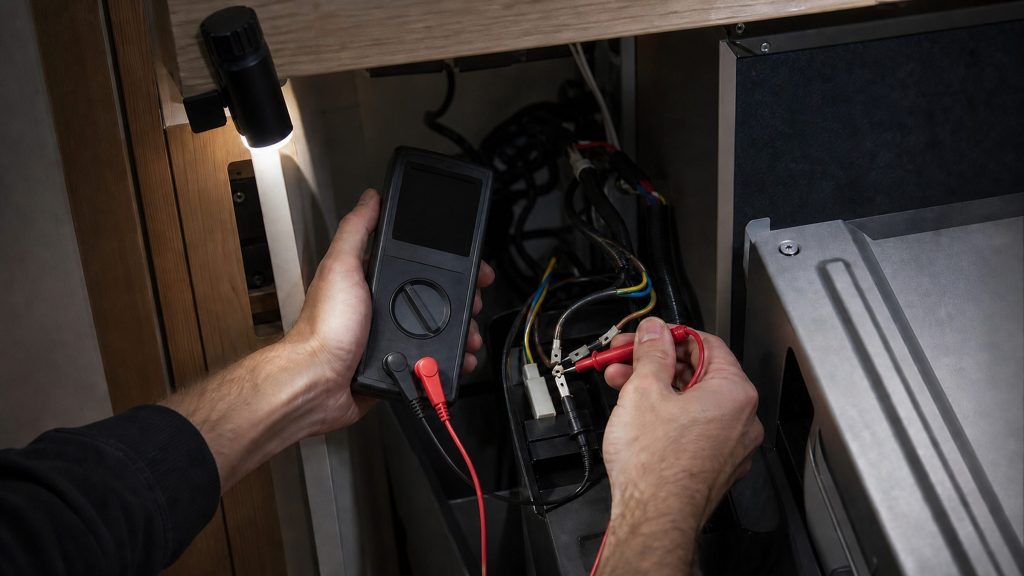
from $95 Diagnostic visit
Nobody names a part on this site until somebody has measured something. On this badge the visit starts one step earlier than it does on most makes: with the model number, because the first three digits tell us which manufacturer built the appliance and therefore which service documentation, which diagnostic sequence and which parts catalog apply. Arriving without that is guessing at three appliances at once.
- The prefix read first, then the appliance
- What it reports, measured rather than assumed
- Credited toward the repair when you go ahead
-
from $95 OEM cross reference and parts sourcing
The job that only exists on a badge-engineered appliance. A Kenmore part number is not the part number the factory used, and on a discontinued unit the difference decides whether the repair is possible at all. We cross-reference the Kenmore number to the builder's own number and tell you plainly whether the part is current, superseded or gone.
- The builder's part number, not the badge's
- Superseded numbers traced rather than guessed
- An honest answer when a part no longer exists
-
from $125 Appliance maintenance
Scheduled work in one visit rather than an emergency in three months. Condenser coils, door seals, filters, the dryer duct and the dishwasher drain path — the things that fail quietly here and take a component with them when they do. In this climate this is the service that changes the arithmetic most.
- Coils, seals, filters and the duct in one visit
- Priced below a diagnosis plus the repair it prevents
- The interval that suits South Florida rather than the manual
-
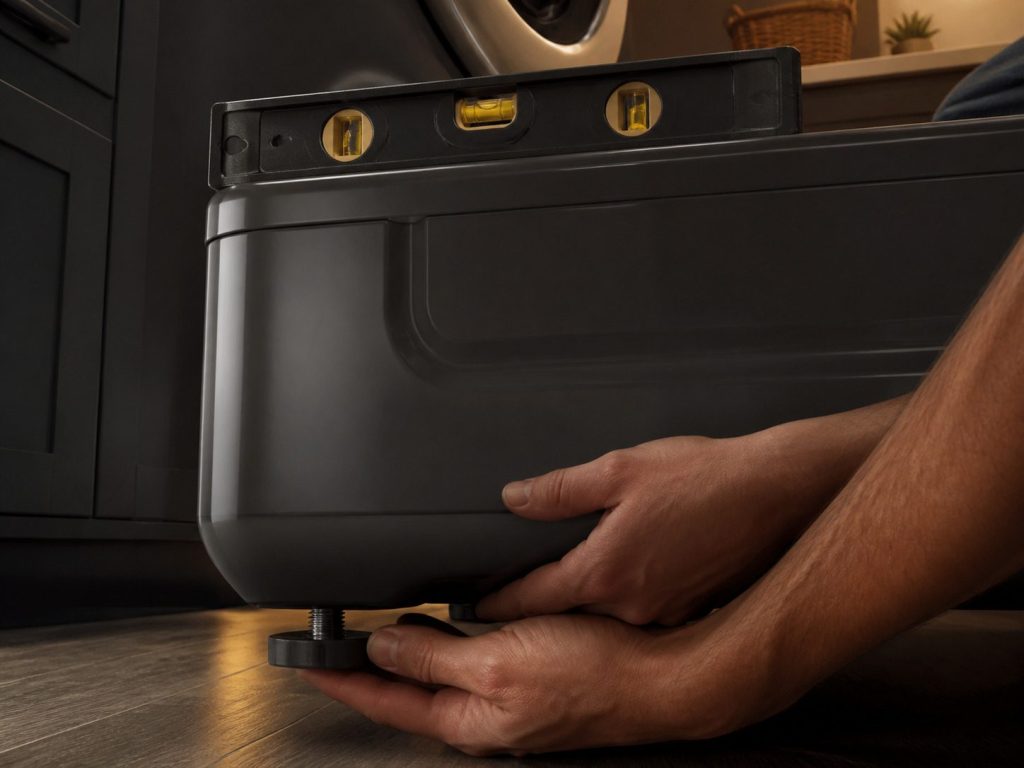
from $145 Appliance installation
Connection, leveling and a working test, done so the appliance does not spend its life fighting its installation. Half the calls we take about a new appliance are about how it went in: a drain hose without a high loop, a dryer vent crushed behind the machine, a refrigerator with no clearance at the back.
- Leveled and tested rather than plugged in
- Gas and stacked installations quoted on the job
- The install decides how the appliance ages
-
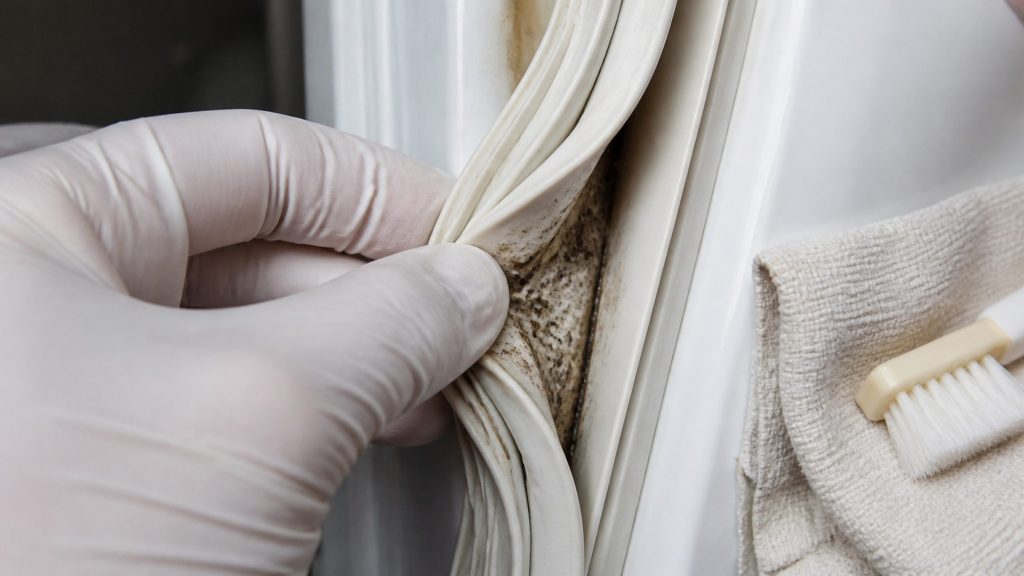
from $145 Door seal replacement
A gasket that has hardened, torn or stopped pulling the door shut. In a humid house this is not cosmetic: every hour a refrigerator seal leaks is an hour the defrost circuit spends clearing ice it should never have made, and on a front-load washer a tired gasket is where the smell complaints begin.
- Tested with paper rather than judged by eye
- The hinge and the alignment checked with it
- A seal is preventive work on this coast
-
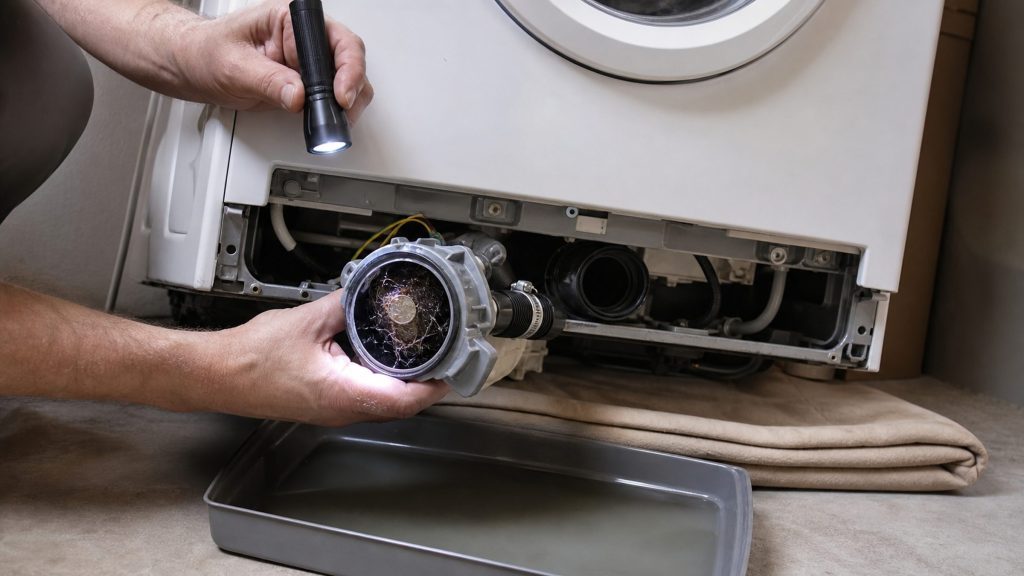
from $175 Washer drain pump replacement
A drum full of water at the end of a cycle. What the machine tells you about it depends entirely on who built it: an LG-built 796 usually names a drain problem on the display, while a Whirlpool-built 110 of the same age may simply stop. Same repair, two very different phone calls.
- The coin trap and the hose before the pump
- What the display said, read against the right table
- Both builders handled, and they are not alike
-
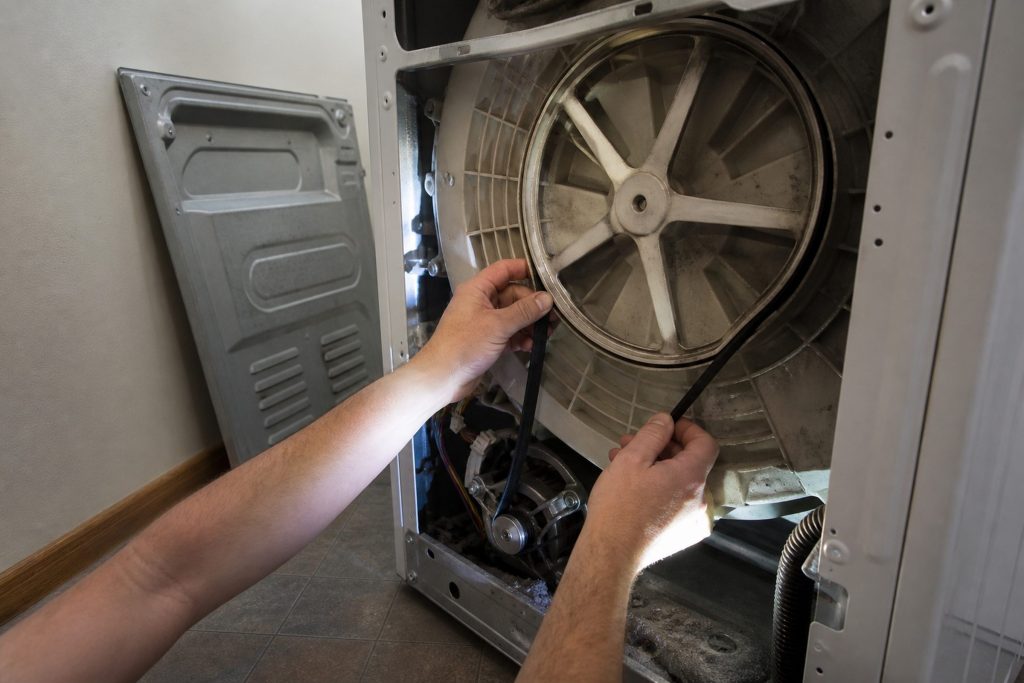
from $185 Washer spin and drive repair
A load that comes out soaking, or a machine that fills, washes and then refuses to spin. The cheap answers come first here and they are right most of the time: balance, then the lid or door lock, then the drive.
- Balance and the lock before the drive
- Three builders, three drive systems
- The expensive answers are genuinely last
-
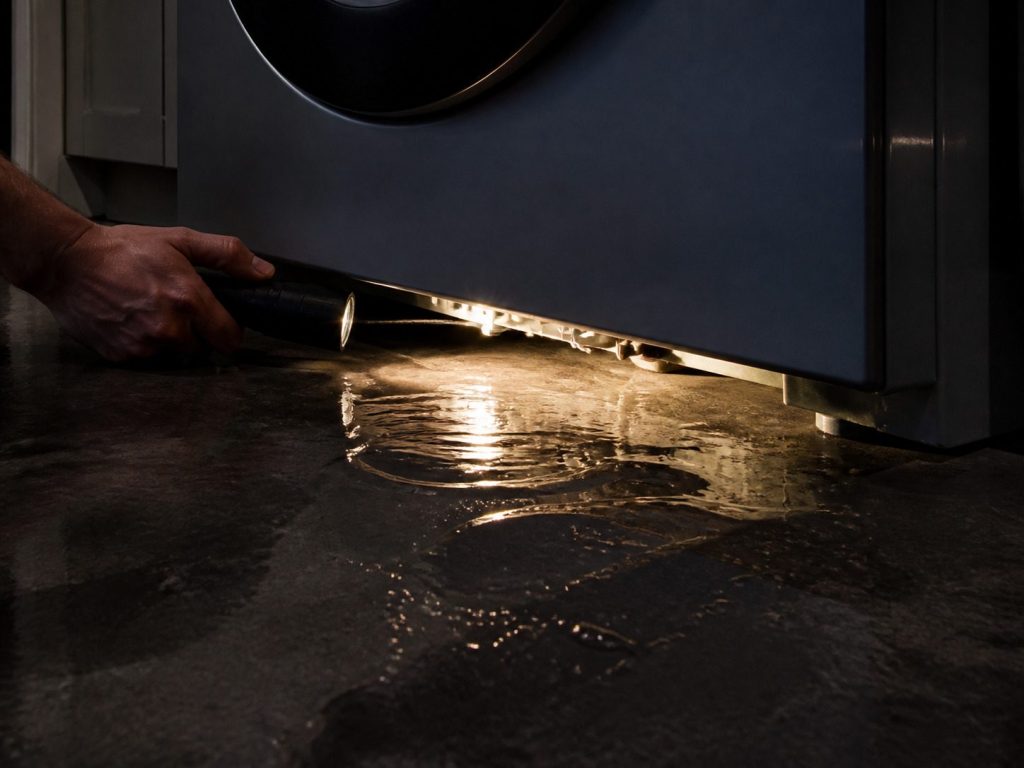
from $155 Washer leak repair
Water on the floor, which is rarely where the leak is. We work from where it lands back to where it comes from — the door gasket, the dispenser, the hoses, the tub seal — because a leak diagnosed by the puddle is a leak diagnosed wrong.
- Traced back rather than guessed at
- Fill hoses checked while we are there, every time
- The gasket fold is a local suspect here
-
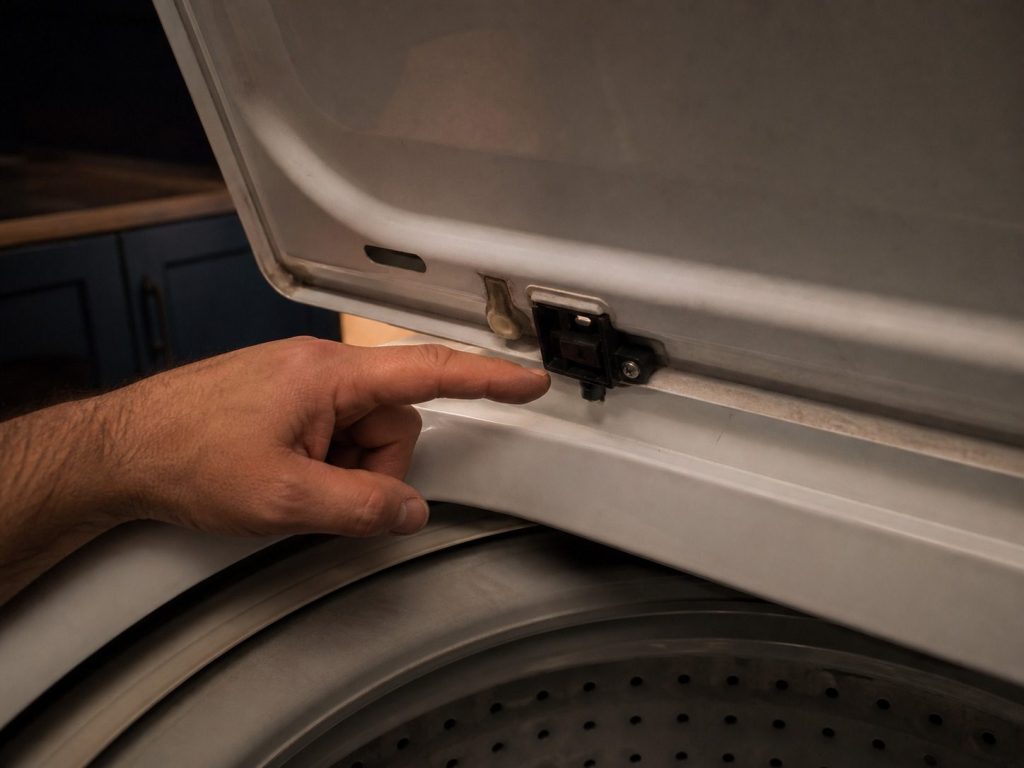
from $145 Washer lock and lid switch repair
A washer that will not start, will not spin, or will not release the door at the end. On every one of the three builders the machine refuses to run rather than risk an open door, so a five-dollar switch stops the whole appliance.
- A small part that stops the entire machine
- Tested electrically rather than by feel
- The door alignment checked with it
-

from $265 Appliance control board repair
The repair we rule in last and quote most carefully. A control board is the most expensive single part on most of these appliances, it is the easiest thing to blame, and on a mass-market unit it is the repair where replacing the appliance sometimes wins. We will say which.
- Ruled in by measurement, never by elimination
- Storm-season damage is a real local cause
- An honest replace-instead answer where it applies
In more detail
About Kenmore washers
Three washers, one badge
This is the appliance where the decode earns its keep. The Kenmore washers we are called out to were built by Whirlpool under 110 and by LG under 796, and they are not variants of each other. Different drive systems, different controls, different parts, different published codes. A repair page that talks about 'the Kenmore washer' as one machine is talking about nothing.
What the display is telling you, and whose language it is in
The characters on the panel belong to the builder. LG's scheme reads as letter pairs; Whirlpool's modern machines use an F-and-E pairing. They are different alphabets, and our code pages keep them apart and name the source of each.
What we see most in South Florida
Drainage, spin and leaks, and a steady background of gasket and smell complaints on front-loaders that comes down to humidity and a closed door. Municipal water here is hard enough to scale a heater and to shorten the life of a valve, and long horizontal drain runs in single-story houses hold water where a vertical one would not.
What to have ready when you call
The three digits before the period, whatever is on the display, and whether the drum has water in it right now. That last one changes what we bring.
This article is based on:
- Official manufacturer documentation
- Internal repair procedures
- Technician repair history
- Company quality standards
Before you book
Questions about Kenmore washers
It will not drain and the drum is full.
On any of the builders the order is the same to start with: the drain hose, then the filter or coin trap where the machine has one, then the pump. What differs is what the machine tells you about it. An LG-built 796 will usually put a code on the display naming a drain problem; a Whirlpool-built 110 of the same age may simply stop mid-cycle. Same repair, two very different experiences, which is why we ask what the display said before it stopped.
It will not spin, or the load comes out soaking.
Balance first, and it is not a brush-off — a load that will not distribute makes a machine refuse to spin up, and a single heavy item is the usual reason. After that it is the lid lock or door lock, which a machine will not spin without and which fails far more often than the motor does. The expensive answers are last on the list because they are last in reality.
Which one do I have?
Open the door or lid and look at the sticker on the frame — the model number starts with three digits and a period. 110 means Whirlpool built it and 796 means LG. Tell us those three digits when you call and the visit starts already knowing which machine is behind the panel.
It smells, and cleaning it has not helped.
This is mostly a front-load story and mostly a South Florida one: a warm humid house and a door left closed on a wet gasket. The fix is a habit rather than a part — leave the door ajar, wipe the gasket fold, and run a cleaning cycle on a schedule. Where it has gone past that, the gasket itself may need replacing, and that is a real job with a real figure rather than a bottle of something.
Where we do it
Across Miami-Dade, Broward, and Palm Beach
Same terms everywhere we go: an on-site diagnostic first, the price agreed in writing, and the exact figure confirmed once we have seen the unit.
Neighborhoods people ask for by name