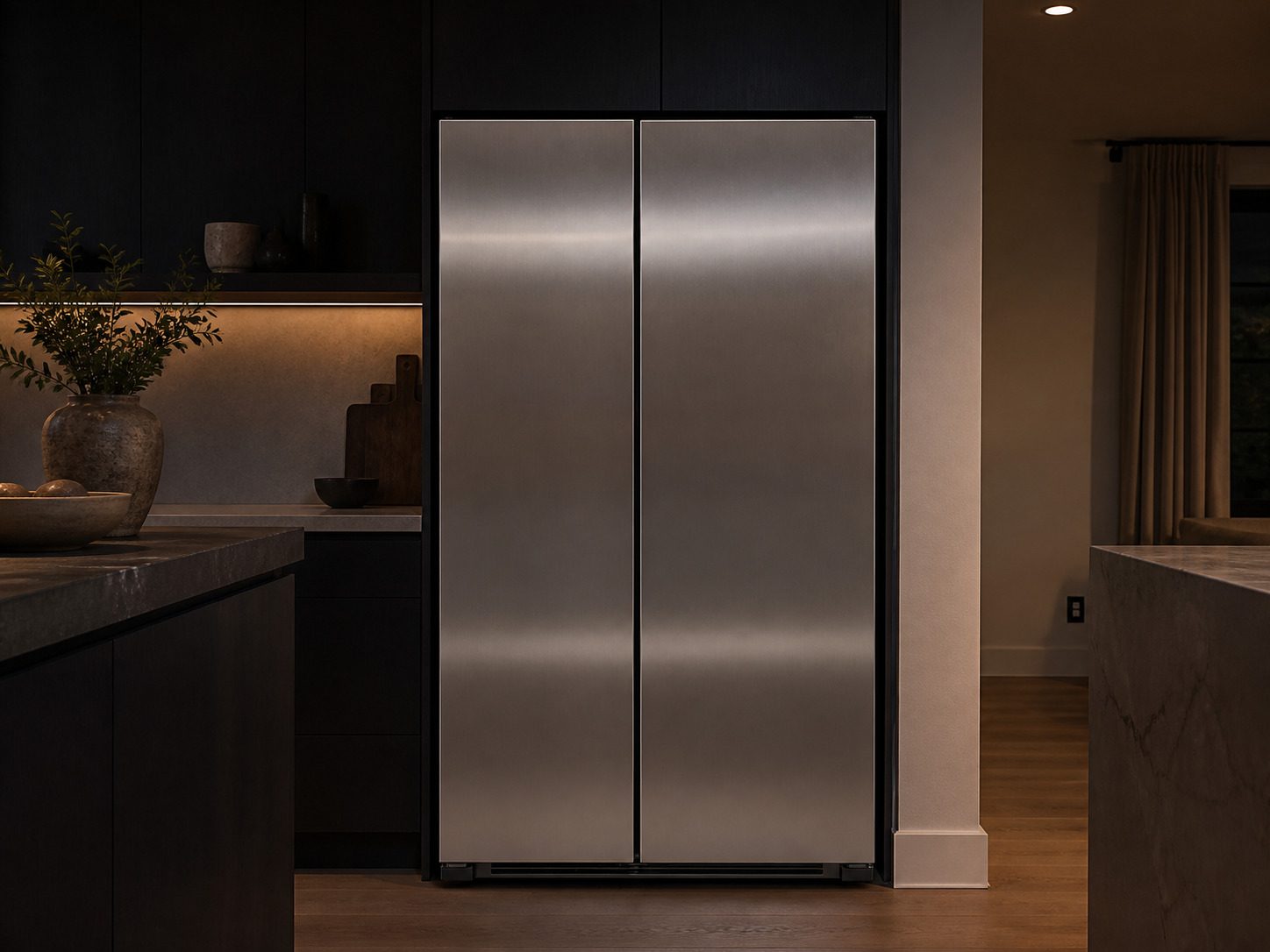
Appliance
Kenmore refrigerators
The appliance the badge is best known for, and the one where knowing who built it changes the repair most. A Kenmore refrigerator in a South Florida kitchen is a Whirlpool, a Frigidaire or an LG underneath, and the first three digits of the model number say which. That decides the parts, the diagnostic sequence and whether there is a published code table to read at all — so it is the first thing we ask for.
- 5 symptoms we are called out to
- From $95 diagnostic, credited to the repair
- 59 cities and neighborhoods covered
- OEM parts available on order
The short version
What this equipment is, for a repair
Configurations
French door · side-by-side · top and bottom freezer
Access
Planned before the visit, not discovered on arrival
Parts
OEM, available on order
Diagnostic
From $95, credited to the repair
What goes wrong with it
Symptoms we are called out to on Kenmore refrigerators
Each one covers the likely causes in the order they are worth checking, and what to do in five minutes before booking anything.
-
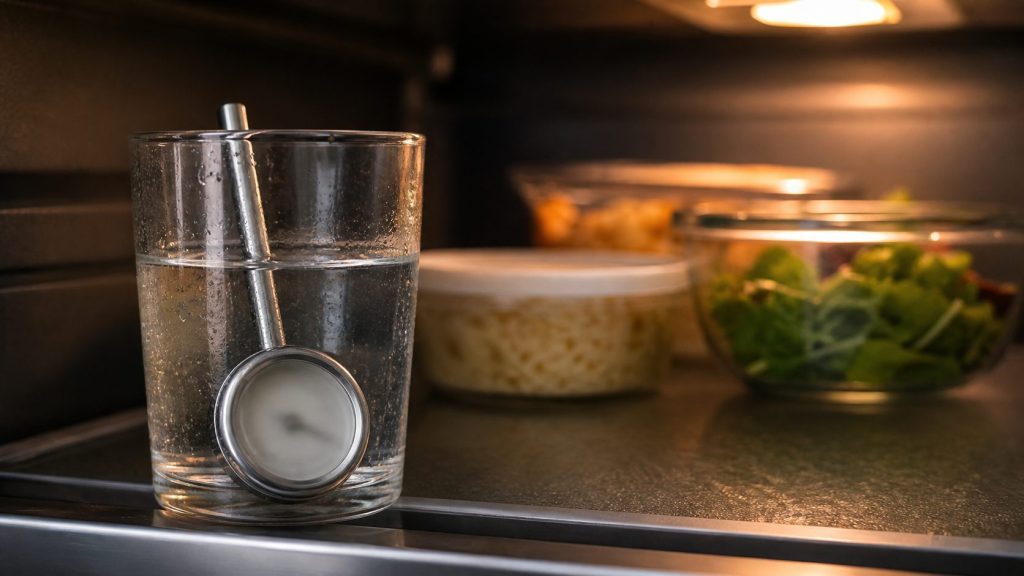
Everything works except the cold Refrigerator not cooling
The call we take more often than any other, and on this badge the one where the number on the sticker changes the answer most. Three different manufacturers built the Kenmore refrigerators in South Florida kitchens, and they arrive at a warm cabinet by different routes and report it in different words.
- Three builders, three first suspects
- Two settings account for a real share of these
- The sealed system is last, not first
-
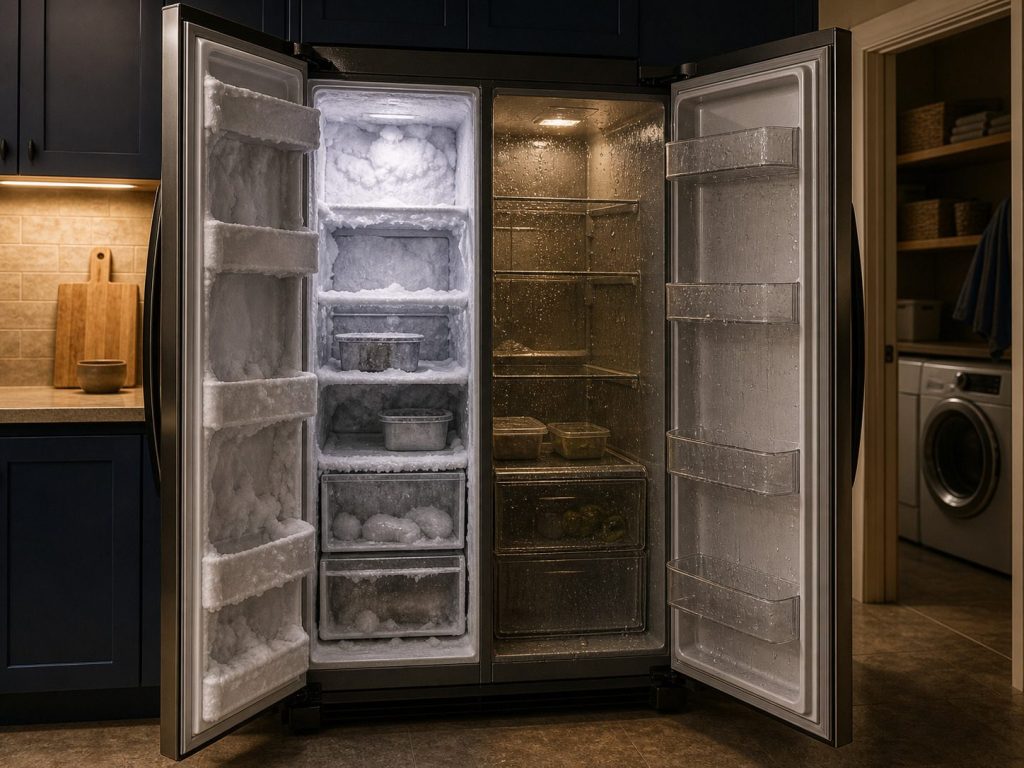
One half working and the other not Refrigerator warm and freezer cold
A specific and useful symptom, because it says the cold is being made and is not getting where it needs to go. That rules out most of the expensive answers before anybody opens anything, and it points at a short list that is the same on every builder.
- The cold is being made — it is not arriving
- Rules out the sealed system almost immediately
- Usually defrost, a fan, or a damper
-
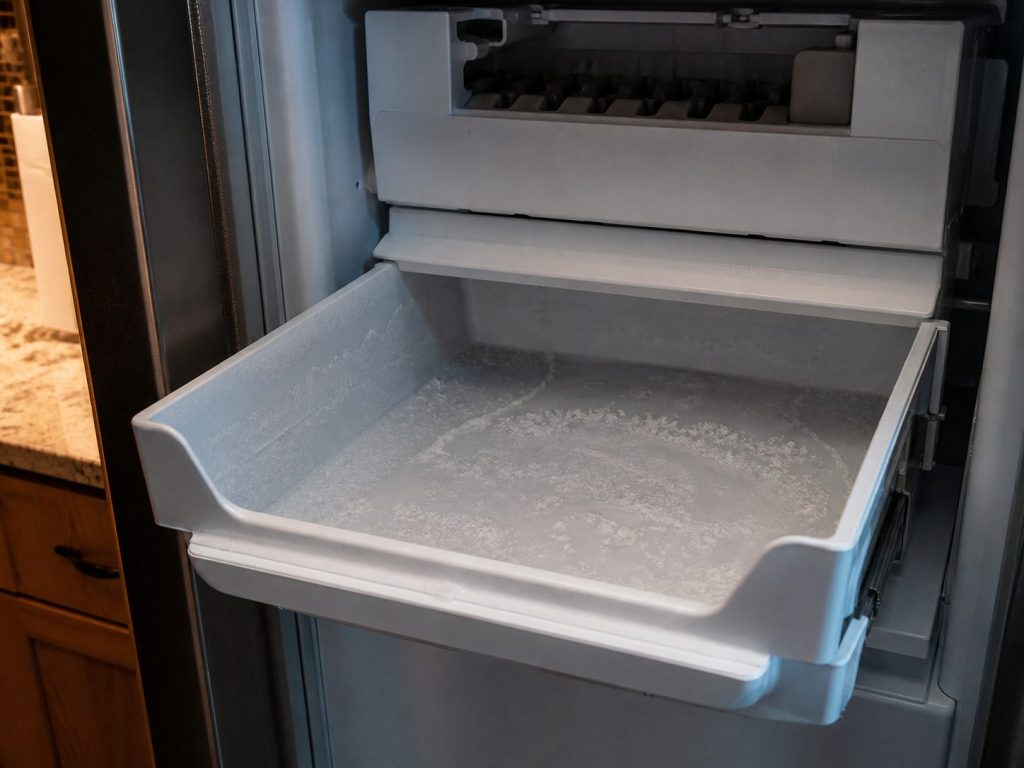
The bin is empty and nothing is obviously broken Ice maker not making ice
One of the most over-quoted repairs there is. Ice production depends on freezer temperature and on water arriving, and both are cheaper to fix than the ice maker itself — so the sequence matters more here than on almost any other symptom.
- Freezer temperature before the module
- Water supply before the mechanism
- A silted saddle valve is a local classic
-
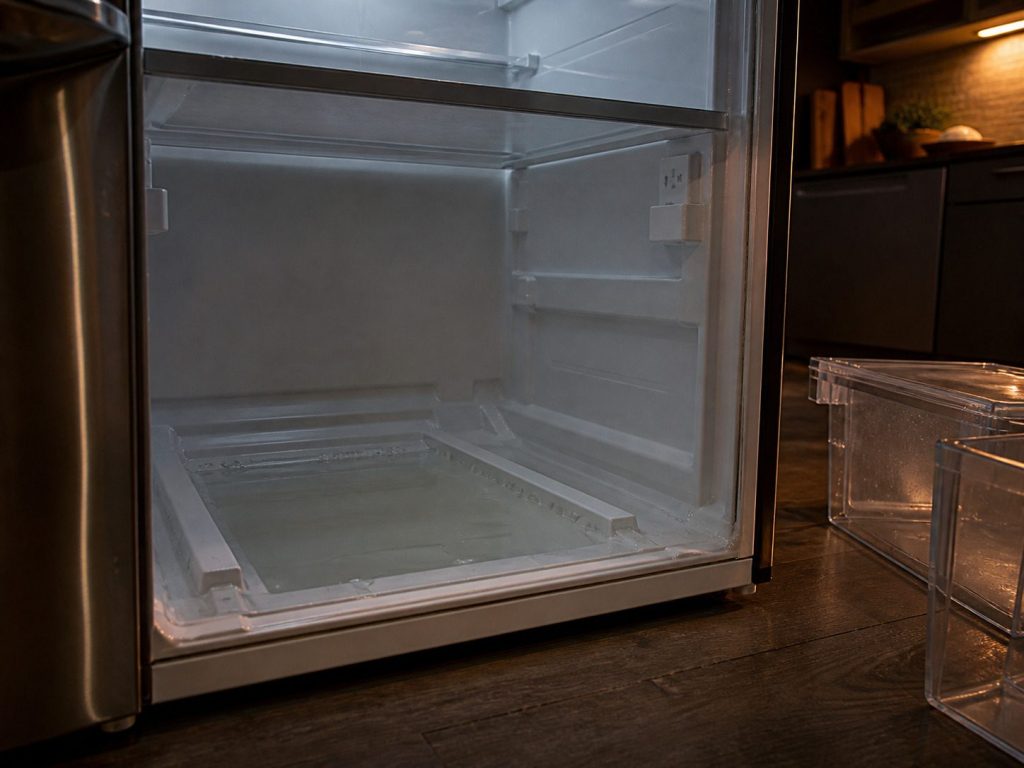
Water in the crisper, or on the floor Refrigerator leaking water
Where the water lands is rarely where it comes from. There are only four realistic sources on these cabinets, and telling them apart is quick once you know where to look — which is why this is one of the symptoms most worth describing carefully on the phone.
- Water inside and water outside are different problems
- A blocked defrost drain is the commonest cause
- In this climate condensation is a real answer
-
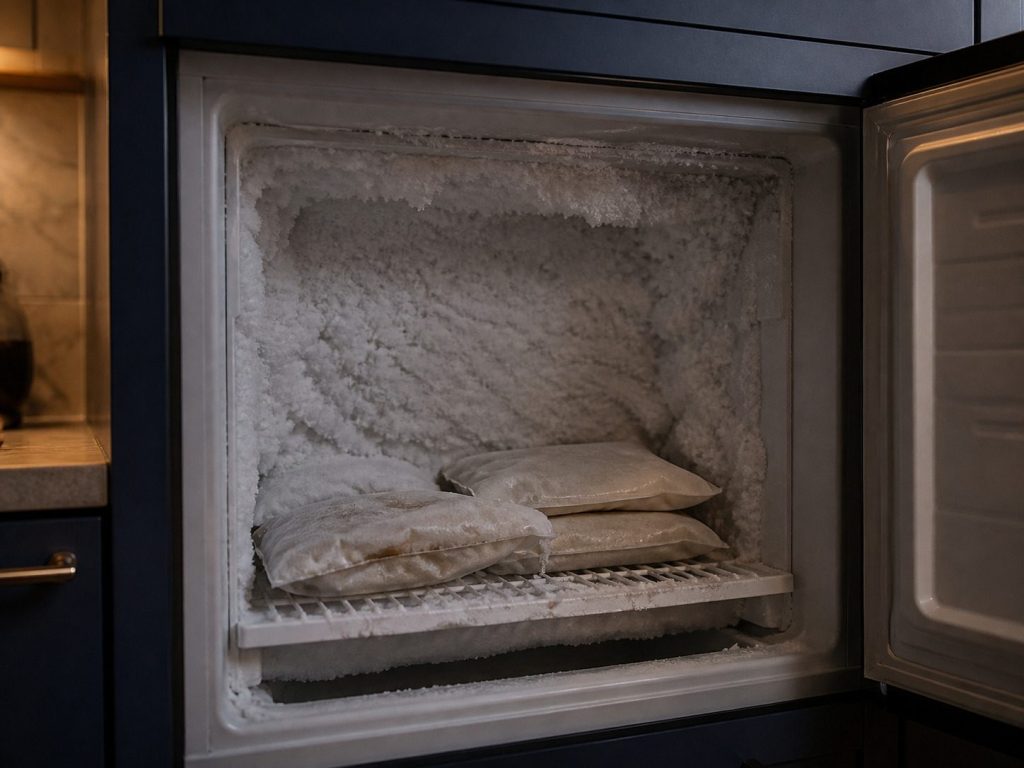
More ice than there should be, and it keeps coming back Frost building up in the freezer
The first question is which kind of freezer you have, because on one of them frost is the design. A manual-defrost chest freezer is supposed to accumulate it; an automatic-defrost upright is not, and on that one the frost is telling you something.
- On a chest freezer this is normal
- On an automatic-defrost cabinet it is not
- Where the frost sits tells you which problem it is
What we do on it
Repairs we carry out on Kenmore refrigerators
Starting figures for this equipment in South Florida. The exact cost is confirmed after an on-site diagnostic — and this is not the whole list of what can go wrong, so call if your problem is not here.
-
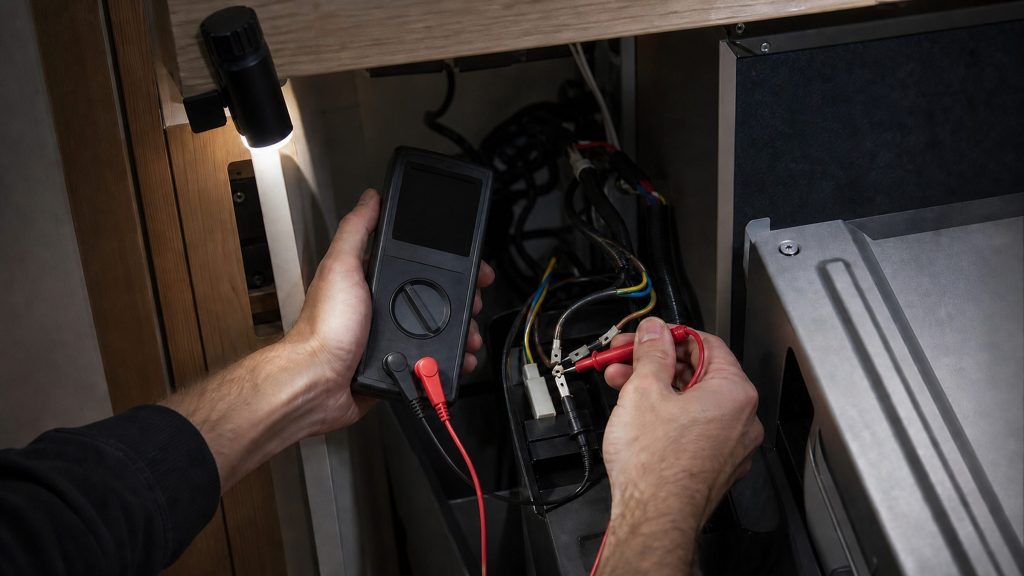
from $95 Diagnostic visit
Nobody names a part on this site until somebody has measured something. On this badge the visit starts one step earlier than it does on most makes: with the model number, because the first three digits tell us which manufacturer built the appliance and therefore which service documentation, which diagnostic sequence and which parts catalog apply. Arriving without that is guessing at three appliances at once.
- The prefix read first, then the appliance
- What it reports, measured rather than assumed
- Credited toward the repair when you go ahead
-
from $95 OEM cross reference and parts sourcing
The job that only exists on a badge-engineered appliance. A Kenmore part number is not the part number the factory used, and on a discontinued unit the difference decides whether the repair is possible at all. We cross-reference the Kenmore number to the builder's own number and tell you plainly whether the part is current, superseded or gone.
- The builder's part number, not the badge's
- Superseded numbers traced rather than guessed
- An honest answer when a part no longer exists
-
from $125 Appliance maintenance
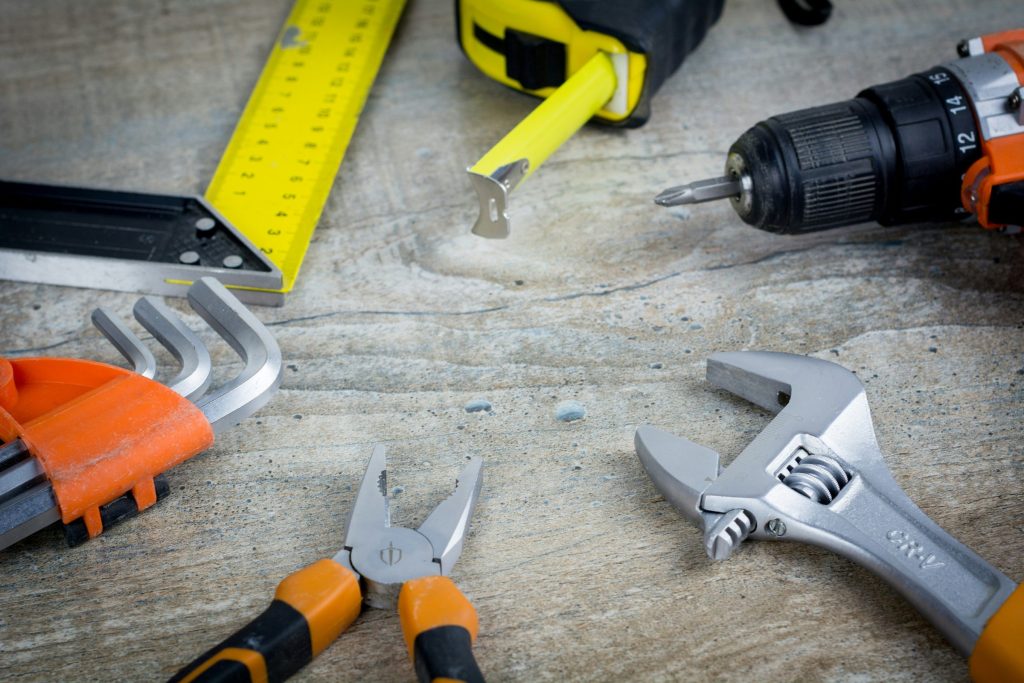
Scheduled work in one visit rather than an emergency in three months. Condenser coils, door seals, filters, the dryer duct and the dishwasher drain path — the things that fail quietly here and take a component with them when they do. In this climate this is the service that changes the arithmetic most.
- Coils, seals, filters and the duct in one visit
- Priced below a diagnosis plus the repair it prevents
- The interval that suits South Florida rather than the manual
-
from $145 Appliance installation
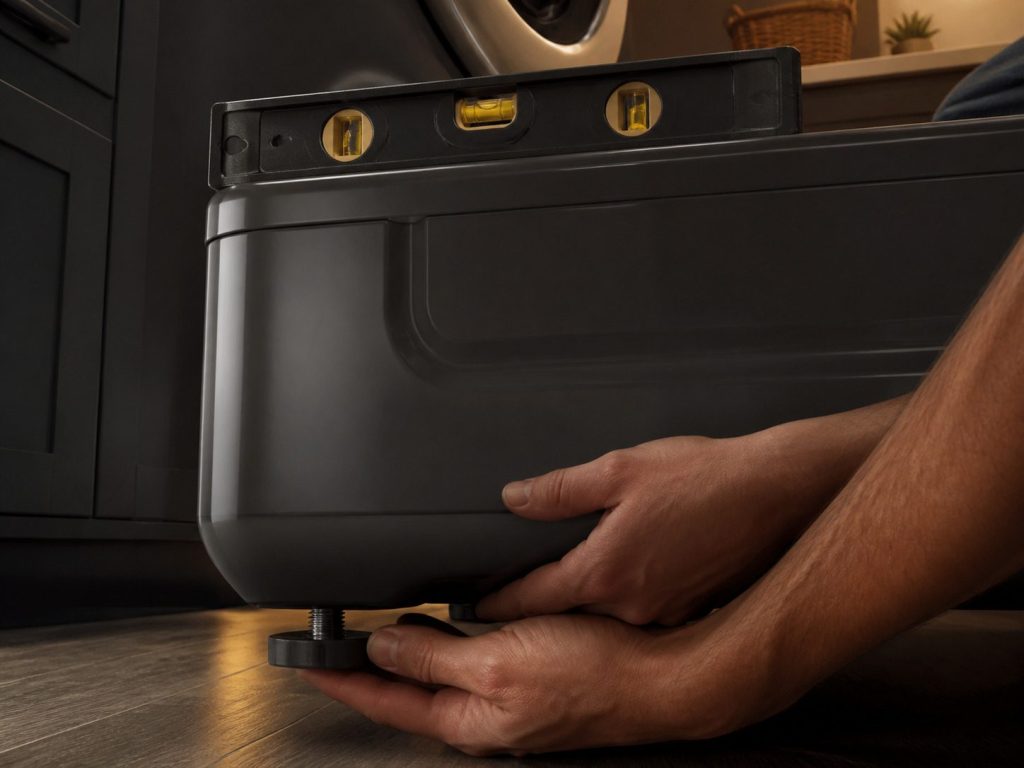
Connection, leveling and a working test, done so the appliance does not spend its life fighting its installation. Half the calls we take about a new appliance are about how it went in: a drain hose without a high loop, a dryer vent crushed behind the machine, a refrigerator with no clearance at the back.
- Leveled and tested rather than plugged in
- Gas and stacked installations quoted on the job
- The install decides how the appliance ages
-

from $155 Refrigerator not cooling repair
The most common call there is, and the one most often quoted as a sealed system when it is not. The order of investigation depends on who built the cabinet, which is why we ask for the prefix first — a Whirlpool-built 106 and an LG-built 795 arrive at this symptom by different routes and report it differently.
- Nothing gets named until the setting and the airflow are ruled out
- The route depends on the builder, and we read it first
- Sealed system last, because it is last in reality
-
from $175 Defrost system repair
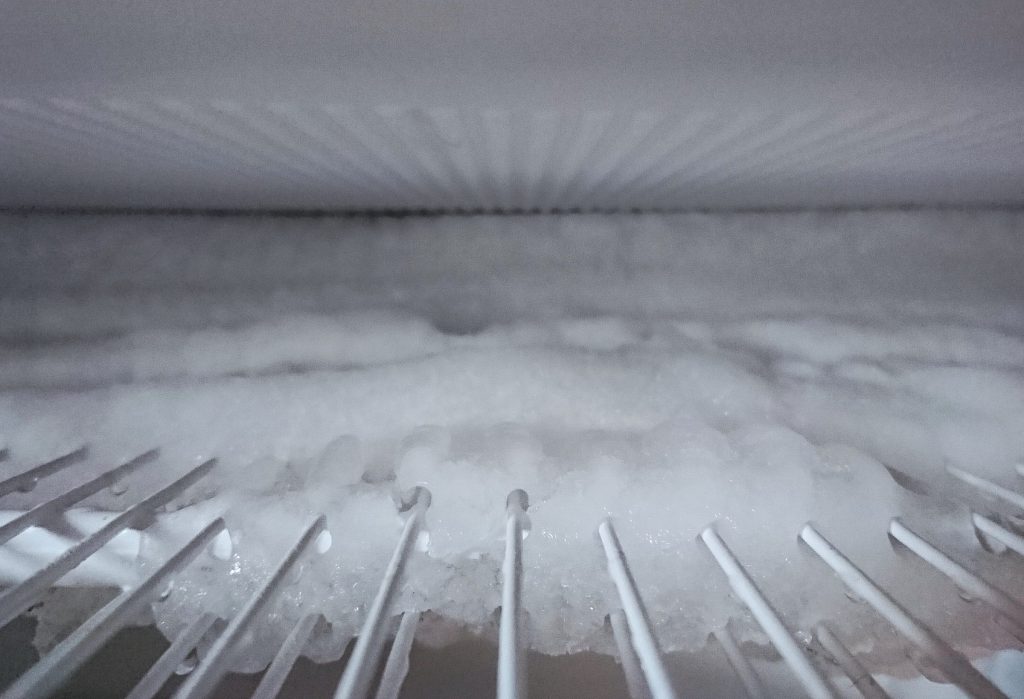
A refrigerator that warms up over days while the freezer stays cold is usually a defrost story, and in this climate it is a common one: every time a tired door seal lets damp air in, the evaporator has more ice to clear and the circuit has more work than it was sized for.
- Heater, thermostat and control tested as a circuit
- The seal checked in the same visit, or it comes back
- Ice that returns is the symptom, not the cause
-
from $155 Ice maker repair
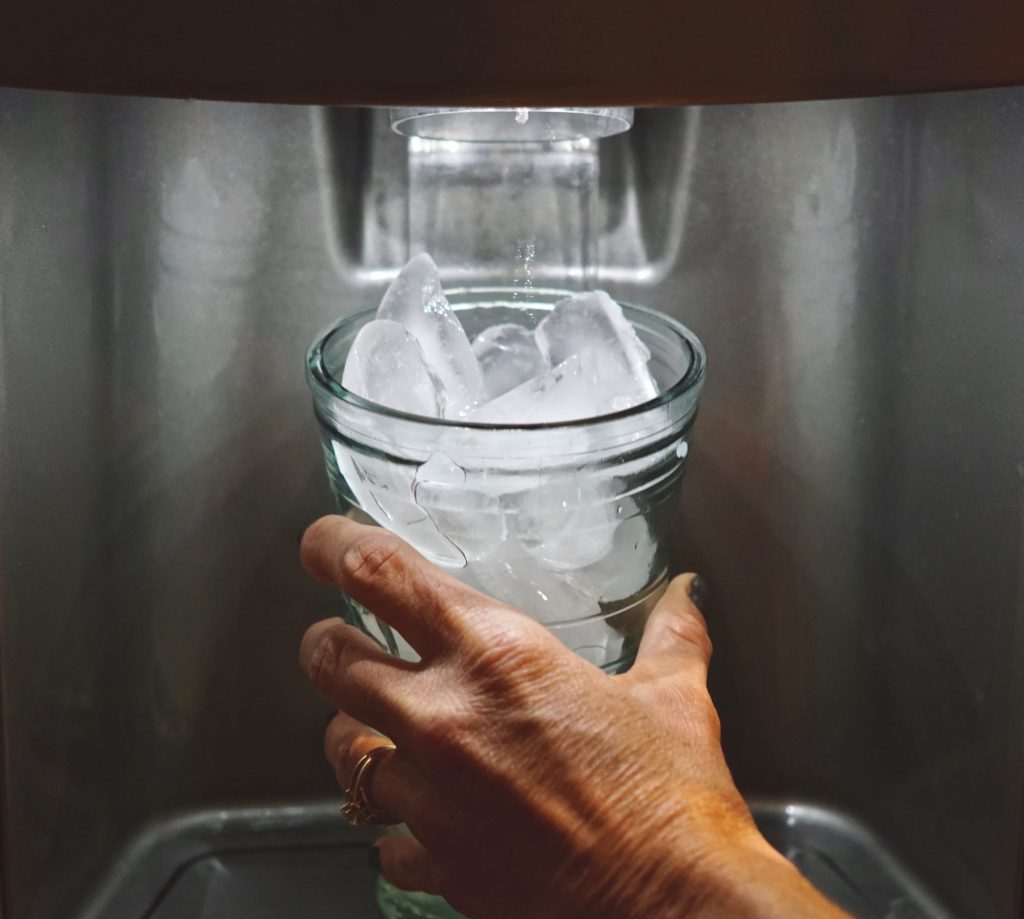
The ice maker inside a refrigerator, which stops for cheaper reasons than most people assume. Production depends on freezer temperature. An ice maker that has slowed is very often reporting a freezer that has crept warm, and correcting that is a smaller and cheaper job than fitting a module.
- Freezer temperature before the module
- Water supply before the mechanism
- The module replaced when the module is the answer
-
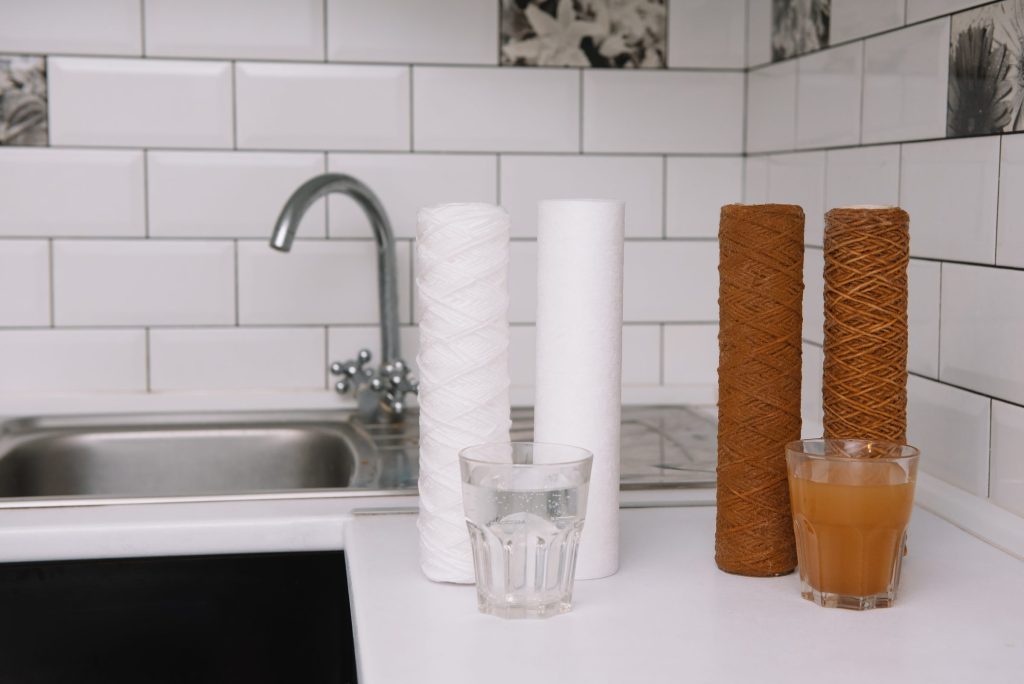
from $115 Water dispenser and filter service
Slow water, no water, or a dispenser that has started dribbling. Cartridges here give up sooner than the calendar on the box suggests, and a good number of these calls finish with a fresh filter and a flushed line rather than a component.
- The filter and the line before the valve
- Local water shortens every published interval
- The line inside the door checked, not assumed
-
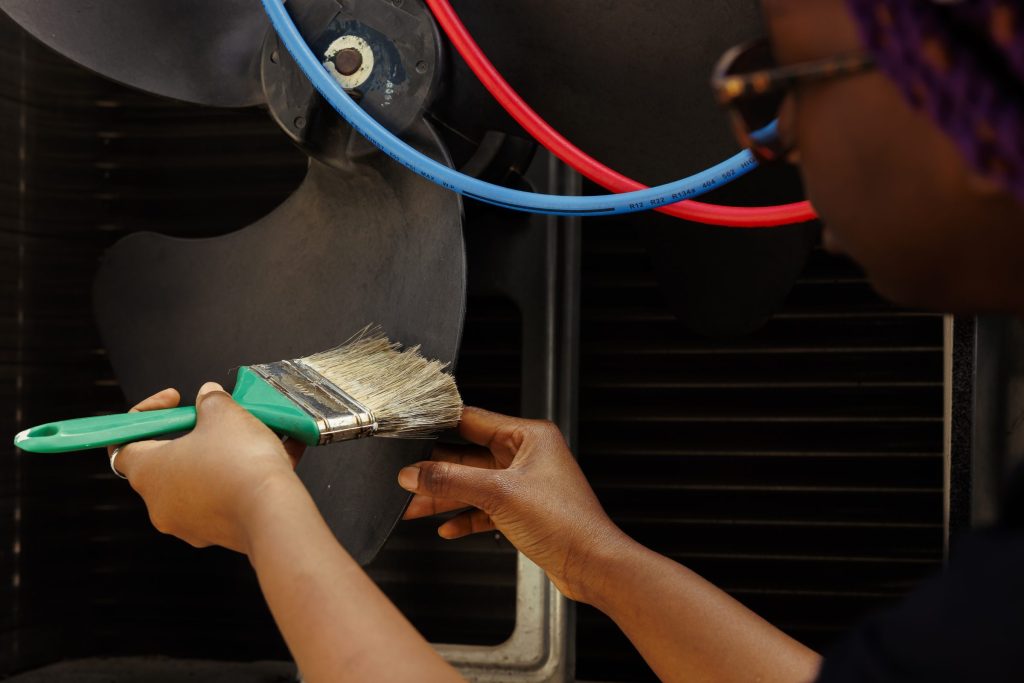
from $125 Condenser cleaning service
The cheapest work on this site and the work that prevents the most expensive. Dust, pet hair and salt air settle on a condenser here until it can no longer give up its heat, and from then on the compressor buys the same cold with more running time — until something in the circuit stops paying.
- Prevents the repair that costs ten times as much
- Salt air and humidity make this a shorter interval here
- Run time measured before and after
-
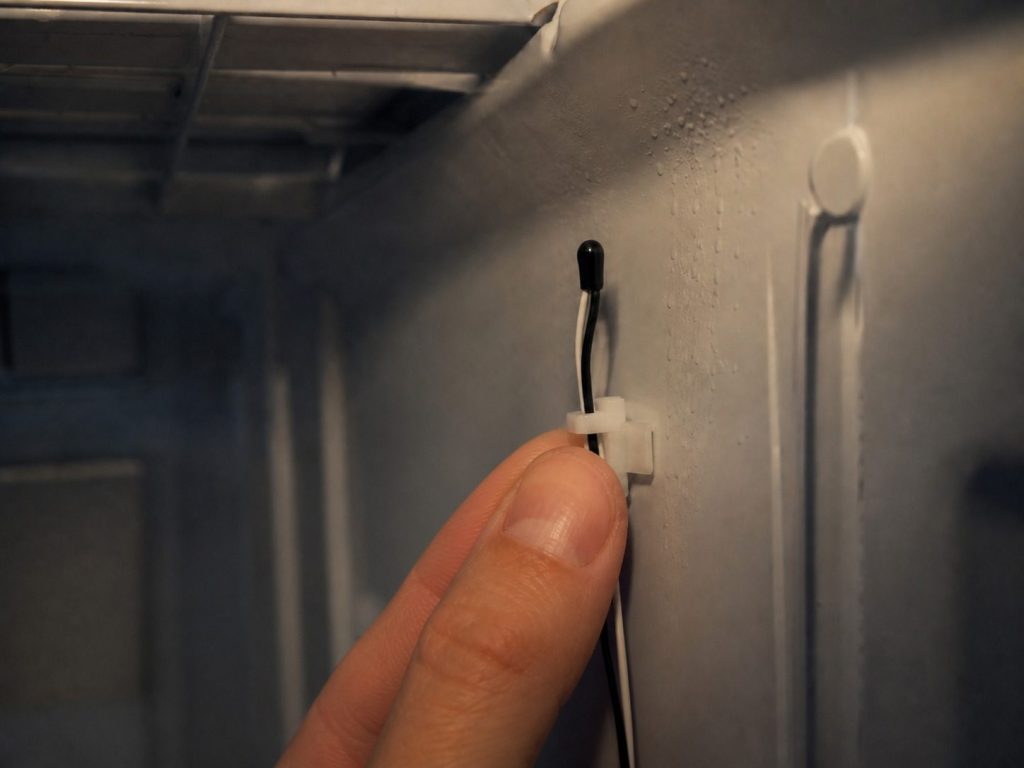
from $155 Temperature sensor replacement
The component that fails without looking like anything. A sensor that reports the wrong number makes an appliance hold a temperature it is not at, confidently and without complaint — a refrigerator that is warm while the display says it is cold, or an oven that is consistently twenty-five degrees out.
- Measured against a reference, not against the display
- A consistent offset is its signature
- Cheap to replace and easy to misdiagnose
-
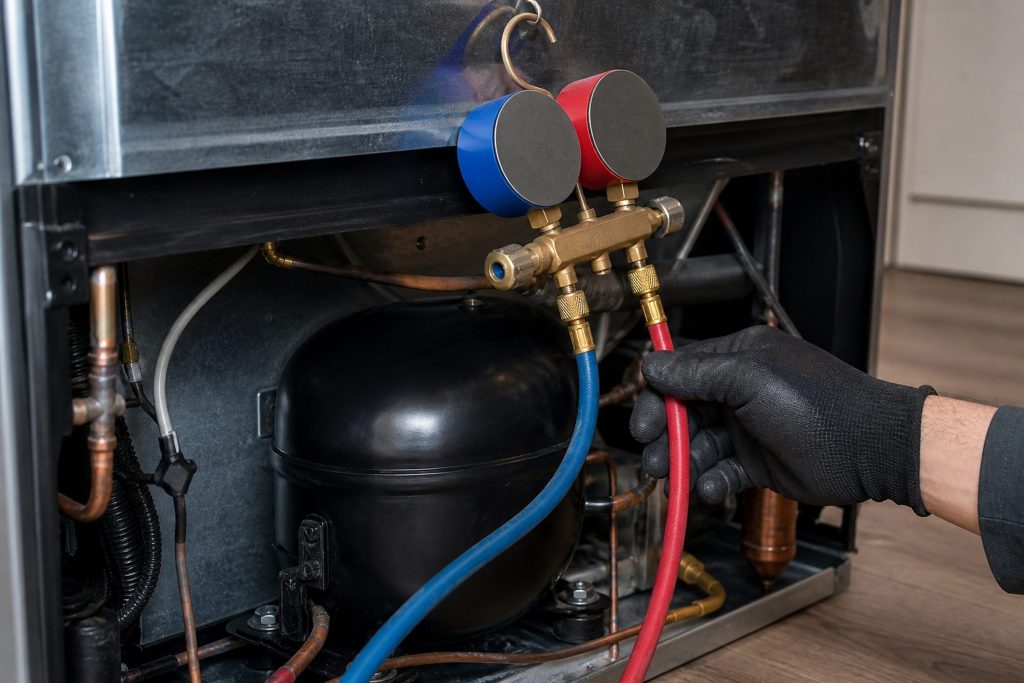
from $595 Sealed system repair
Compressor, condenser, evaporator and the refrigerant between them. It is real, it is the most expensive repair on a refrigerator, and it is quoted far more often than it happens. Everything cheaper is ruled out first, and on a mass-market cabinet we will tell you honestly when the repair no longer makes sense against the price of the appliance.
- Ruled in by measurement, never by elimination alone
- Licensed refrigerant work
- An honest replace-instead conversation where it applies
-
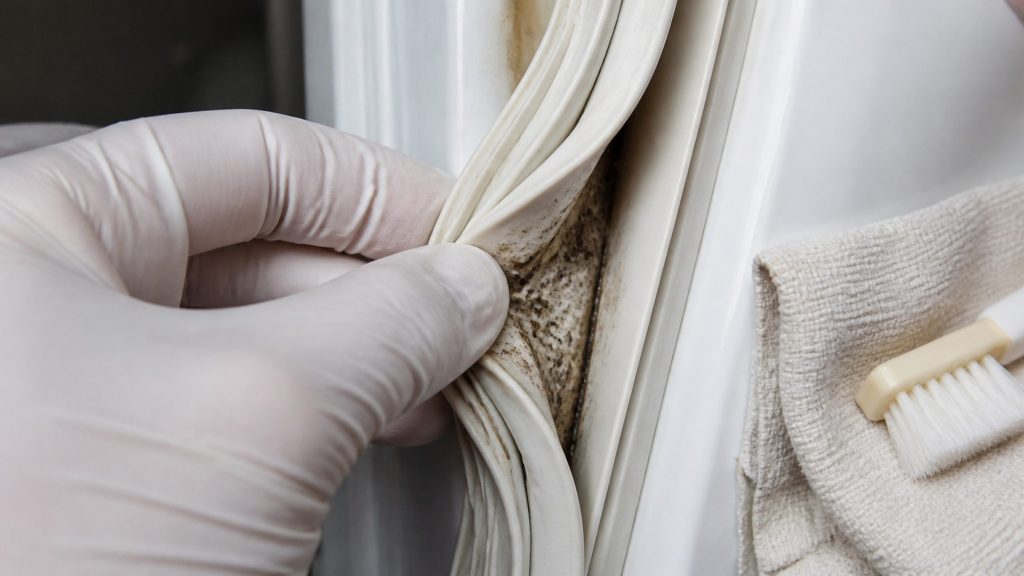
from $145 Door seal replacement
A gasket that has hardened, torn or stopped pulling the door shut. In a humid house this is not cosmetic: every hour a refrigerator seal leaks is an hour the defrost circuit spends clearing ice it should never have made, and on a front-load washer a tired gasket is where the smell complaints begin.
- Tested with paper rather than judged by eye
- The hinge and the alignment checked with it
- A seal is preventive work on this coast
-
from $265 Appliance control board repair
The repair we rule in last and quote most carefully. A control board is the most expensive single part on most of these appliances, it is the easiest thing to blame, and on a mass-market unit it is the repair where replacing the appliance sometimes wins. We will say which.
- Ruled in by measurement, never by elimination
- Storm-season damage is a real local cause
- An honest replace-instead answer where it applies
In more detail
About Kenmore refrigerators
Three different refrigerators wearing one badge
Kenmore does not build refrigerators. It commissions them, and over the years three makers have supplied most of what is in South Florida kitchens: Whirlpool, Frigidaire and LG. The number before the period on the rating plate tells you which — 106 for Whirlpool, 253 for Frigidaire, 795 for LG. Two cabinets that look identical from the front can have different evaporator layouts, different defrost strategies, different control boards and entirely different parts catalogs.
Why we ask for the model number first
Not to be thorough for its own sake. On this make the model number is the diagnosis sequence. It tells us which service documentation applies, whether there is a code table to read, and whether the part on the van fits. A technician who arrives without it is guessing at three appliances at once.
The climate reaches each of these three by a different route
Humidity is the common enemy and it does not go after the same part on all of them. On a Whirlpool-built 106 it works on the defrost circuit, because that circuit exists to clear what every damp door opening leaves behind and here it never gets a quiet week. On an LG-built 795 the cold is moved by a fan and read by sensors, so the same moisture surfaces as air that has stopped circulating and readings that have stopped agreeing. On a Frigidaire-built 253 it arrives at the door first, and a seal that has taken a permanent set feeds everything downstream of it. Salt and dust silt all three condensers at the same rate, with nothing on the front panel to say so.
What we can tell you before we come out
Give us the full model number, whatever is on the display, and how long it has been doing it. With those three we can usually name the likely part and the band it falls in. The exact cost is confirmed after the on-site diagnostic, and agreed with you before anything is opened.
This article is based on:
- Official manufacturer documentation
- Internal repair procedures
- Technician repair history
- Company quality standards
Before you book
Questions about Kenmore refrigerators
It is running but the food is warm. Where does that usually go?
The order of checks depends on who built it, which is why we ask for the model number before anything else. On a Whirlpool-built 106 the defrost circuit is where a slow warm-up most often ends — the freezer stays passable while the fresh food side drifts over days. On an LG-built 795 the same complaint has a different first suspect, because that cabinet moves its cold with a fan and reports a sensor problem on the display rather than silently. Either way, start with the setting and the airflow: a cabinet packed to the back wall misses temperature while the compressor runs perfectly, and that costs nothing to rule out.
The ice maker stopped. Is that a whole new ice maker?
Usually not, and again it depends on the builder. Ice production is a function of freezer temperature, so an ice maker that slowed down is very often a freezer that drifted up — cheaper to fix and a different job. After that it is the water supply: a filter past its interval, or a saddle valve that has silted closed, which is a local classic on this water. The module itself gets changed when the module is the thing that quit, and describing what it does on the phone usually tells us whether it is.
Does my refrigerator show error codes?
Some do and some do not, and the honest answer is that it depends entirely on who built yours. LG-built cabinets are the most talkative — LG publishes a consumer code table and the display uses it. Whirlpool-built and Frigidaire-built cabinets publish far less for the fresh-food user, and much of what they show is a service mode rather than a message. We publish the tables the builders publish and nothing else. If you find a page listing dozens of Kenmore refrigerator codes, somebody has made a list up.
The water dispenser has slowed to a trickle.
Change the filter before you book anything. Six months is the interval most of these carry, and it assumes gentler water than we have; a cartridge here can be finished well ahead of the date on it. If a fresh filter does not bring the flow back, the supply line and then the inlet valve are next, and those are a visit rather than a trip to the store.
Where we do it
Across Miami-Dade, Broward, and Palm Beach
Same terms everywhere we go: an on-site diagnostic first, the price agreed in writing, and the exact figure confirmed once we have seen the unit.
Neighborhoods people ask for by name