A washer that will not drain is a filter and a hose on any of them — but a Whirlpool-built machine may simply stop mid-cycle while an LG-built one names the problem on the display. A refrigerator that is not cooling points at the defrost circuit on one platform and at a fan or a sensor on another. Every symptom page here carries a block that says which is which, and no other site we run needs one.
20 symptoms · read against the right maker
What your Kenmore is doing, and what it means on yours.
Not every appliance shows a code, and on this badge some of the manufacturers publish none at all. Every page here starts from what is free to rule out, then says how the answer changes depending on who built the unit — because on a badge-engineered appliance those are two different pieces of information and you need both.
- 20 symptoms described
- 10 appliances they cover
- 7 manufacturers, and they differ
- from $95 diagnostic, credited to the repair
Start from what you can see
Each behavior, and where it usually ends
Each page leads with the checks that cost nothing, since on this catalog a fair number of calls finish at a setting, a duct or a filter. After that it sets out what shifts from one manufacturer to the next.
-
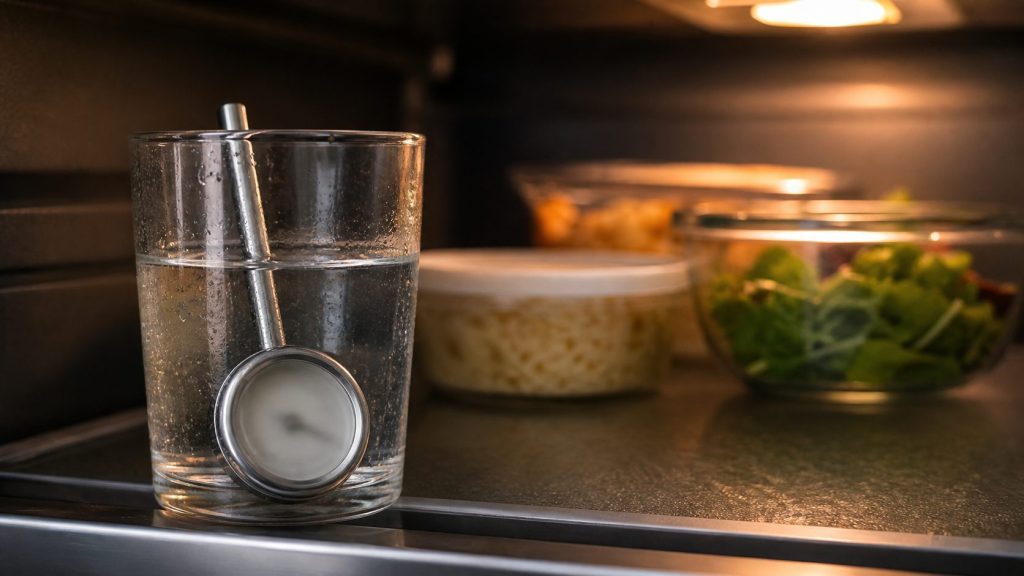
Everything works except the cold Refrigerator not cooling
The call we take more often than any other, and on this badge the one where the number on the sticker changes the answer most. Three different manufacturers built the Kenmore refrigerators in South Florida kitchens, and they arrive at a warm cabinet by different routes and report it in different words.
- Three builders, three first suspects
- Two settings account for a real share of these
- The sealed system is last, not first
-
One half working and the other not Refrigerator warm and freezer cold
A specific and useful symptom, because it says the cold is being made and is not getting where it needs to go. That rules out most of the expensive answers before anybody opens anything, and it points at a short list that is the same on every builder.
- The cold is being made — it is not arriving
- Rules out the sealed system almost immediately
- Usually defrost, a fan, or a damper
-
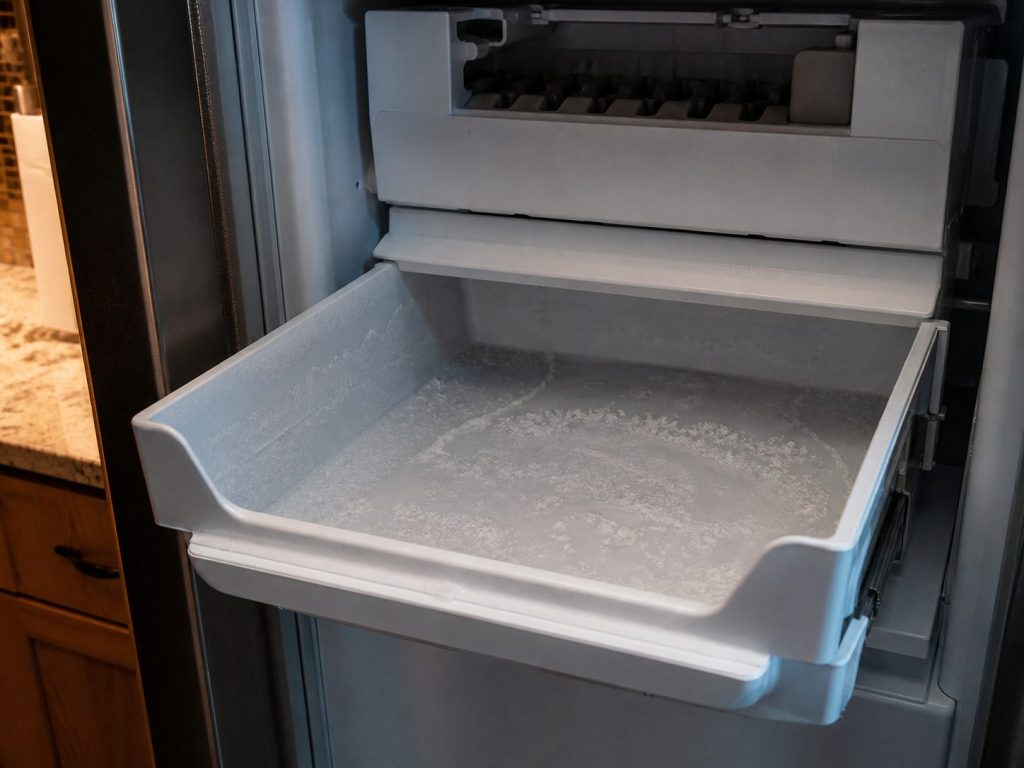
The bin is empty and nothing is obviously broken Ice maker not making ice
One of the most over-quoted repairs there is. Ice production depends on freezer temperature and on water arriving, and both are cheaper to fix than the ice maker itself — so the sequence matters more here than on almost any other symptom.
- Freezer temperature before the module
- Water supply before the mechanism
- A silted saddle valve is a local classic
-
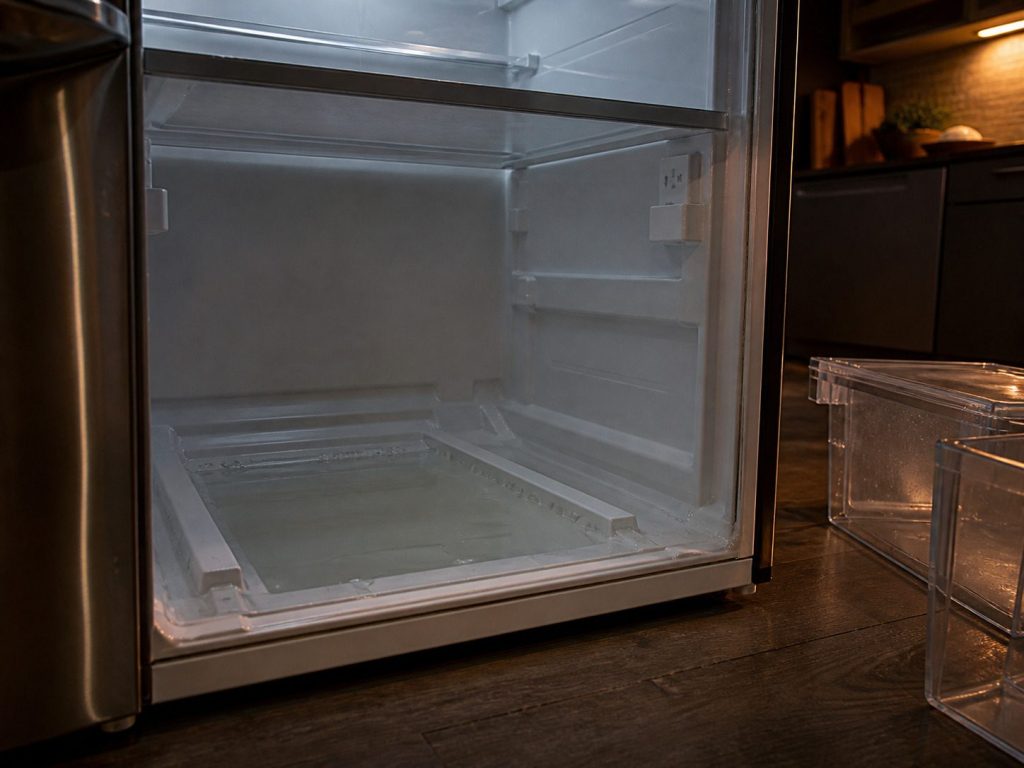
Water in the crisper, or on the floor Refrigerator leaking water
Where the water lands is rarely where it comes from. There are only four realistic sources on these cabinets, and telling them apart is quick once you know where to look — which is why this is one of the symptoms most worth describing carefully on the phone.
- Water inside and water outside are different problems
- A blocked defrost drain is the commonest cause
- In this climate condensation is a real answer
-
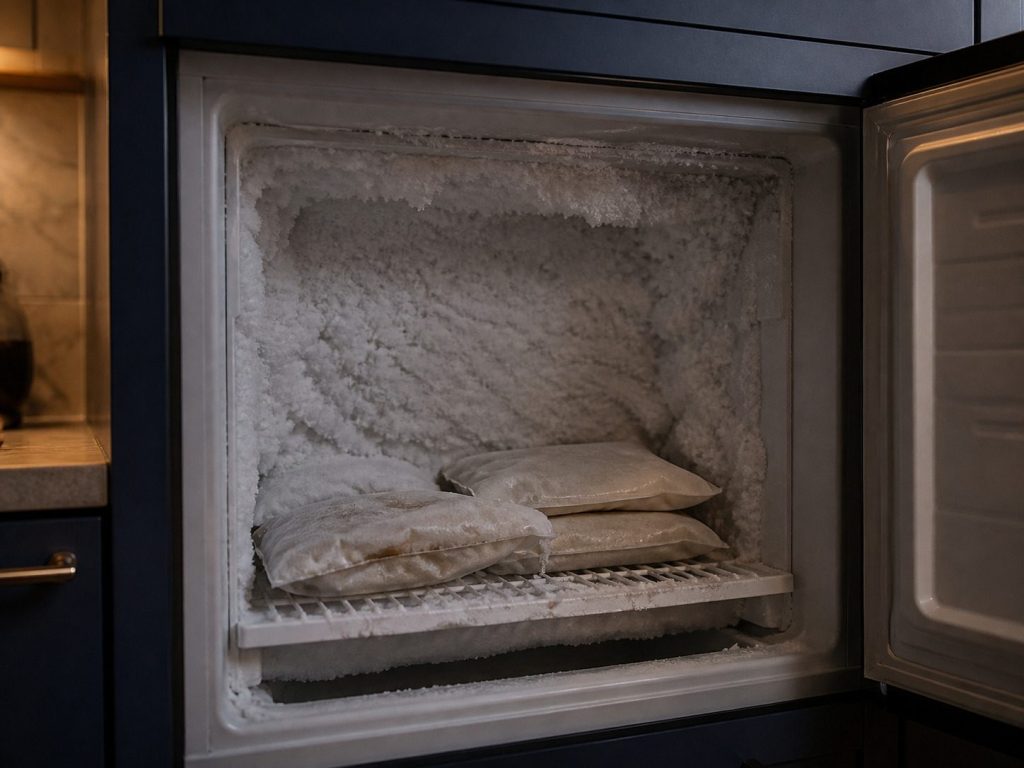
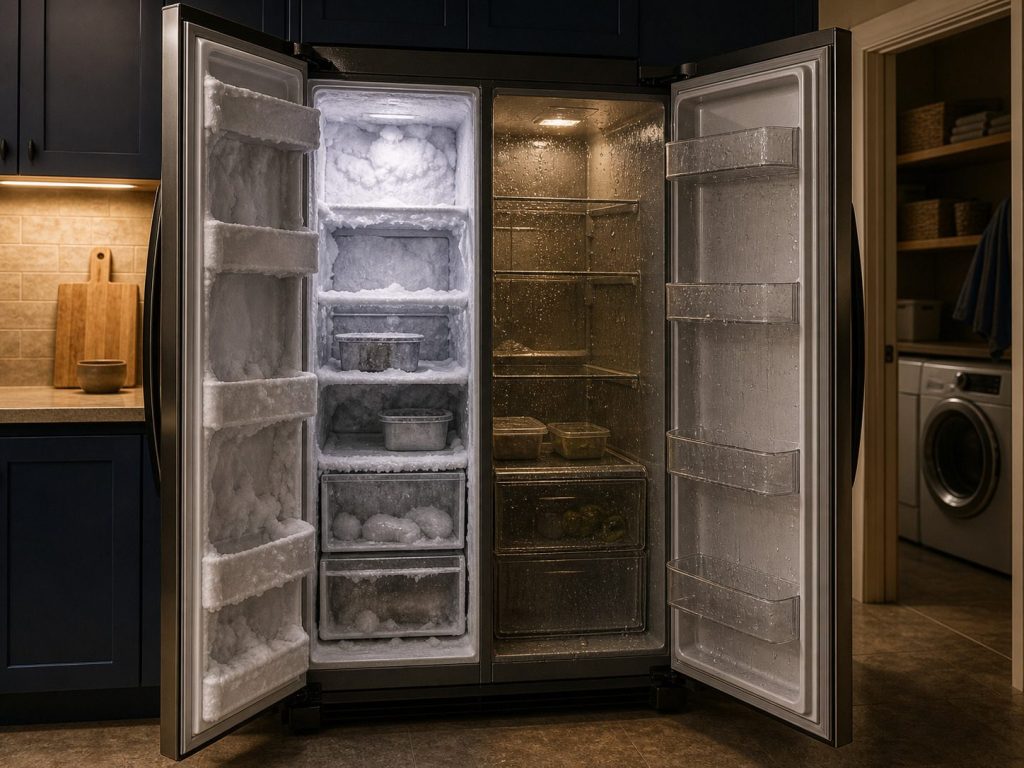
More ice than there should be, and it keeps coming back Frost building up in the freezer
The first question is which kind of freezer you have, because on one of them frost is the design. A manual-defrost chest freezer is supposed to accumulate it; an automatic-defrost upright is not, and on that one the frost is telling you something.
- On a chest freezer this is normal
- On an automatic-defrost cabinet it is not
- Where the frost sits tells you which problem it is
-
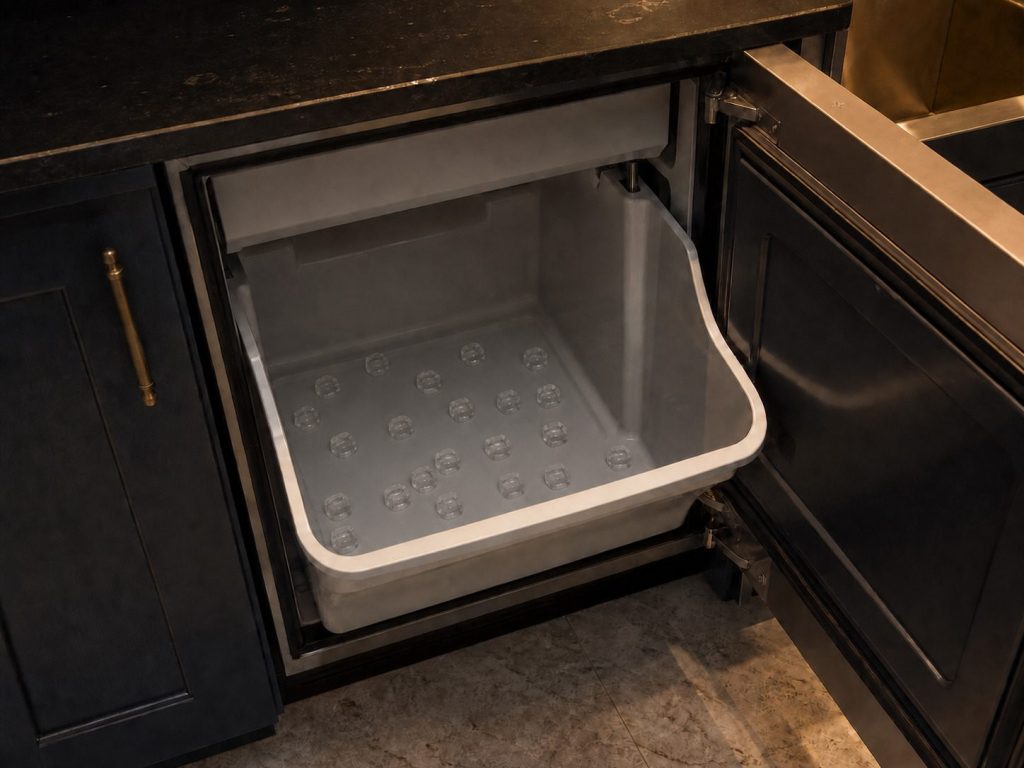
It still works — there is just less of it every month Standalone ice maker making less ice
A dedicated ice machine rarely stops. It declines, quietly, over a year, and most households notice only when they run out at a party. On this water the reason is almost always mineral collecting on the surfaces the machine depends on, and that is preventable.
- Decline rather than failure is the signature
- No maker publishes a code table for these
- Which stage the cycle stops at is the diagnosis
-
Standing water in the bottom after a finished cycle Dishwasher not draining
Three manufacturers built the Kenmore dishwashers in South Florida kitchens and all three publish a code for this, in three different alphabets. Which one you are reading decides which table it means something in — and a code read against the wrong maker points confidently at the wrong part.
- A little water in the sump is normal
- The disposer plug is free to check and often the answer
- Three builders, three different codes for one condition
-
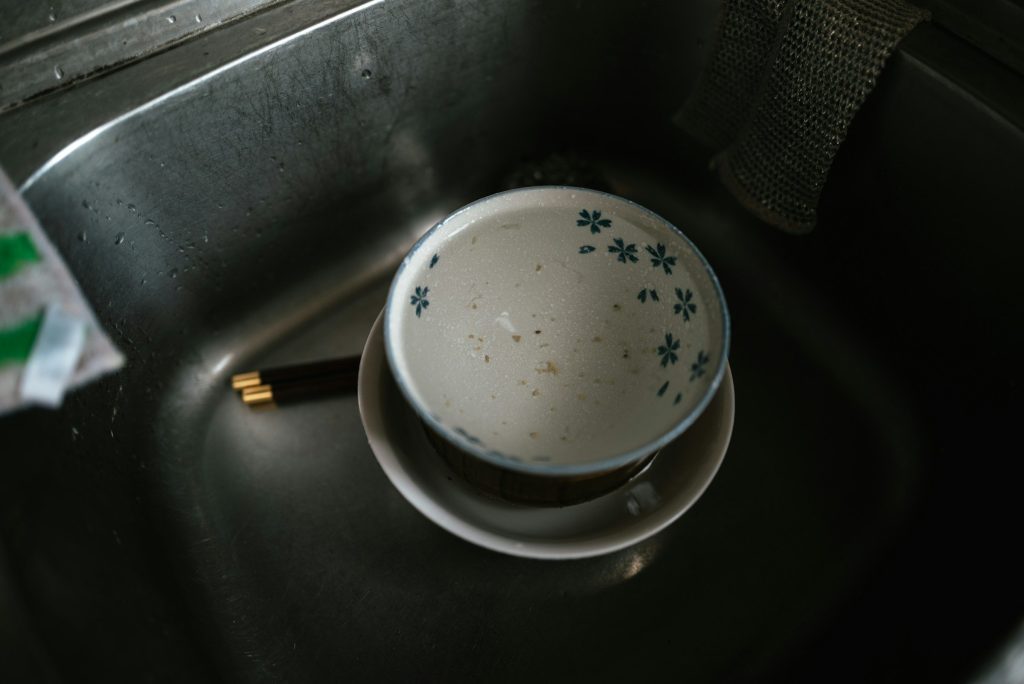
A full cycle later and the load comes out dirty Dishwasher not cleaning
On South Florida water a good share of these are chemistry and temperature rather than a failed component. The useful distinction is what is left on the dishes: grit is one story, film is a completely different one, and they lead to different places.
- Grit and film are two different problems
- Water temperature is measured, not assumed
- Hard water is a real factor here
-
The buttons work, or they do not, and nothing happens Dishwasher will not start
Two very different situations look identical from the kitchen: a machine with no power, and a machine that has power and will not confirm its door is shut. The second is far more common and far cheaper, and there are two settings that produce it with nothing broken at all.
- The door latch fails more often than the board
- Control lock and delay start account for a real share
- Two settings, both free to rule out
-
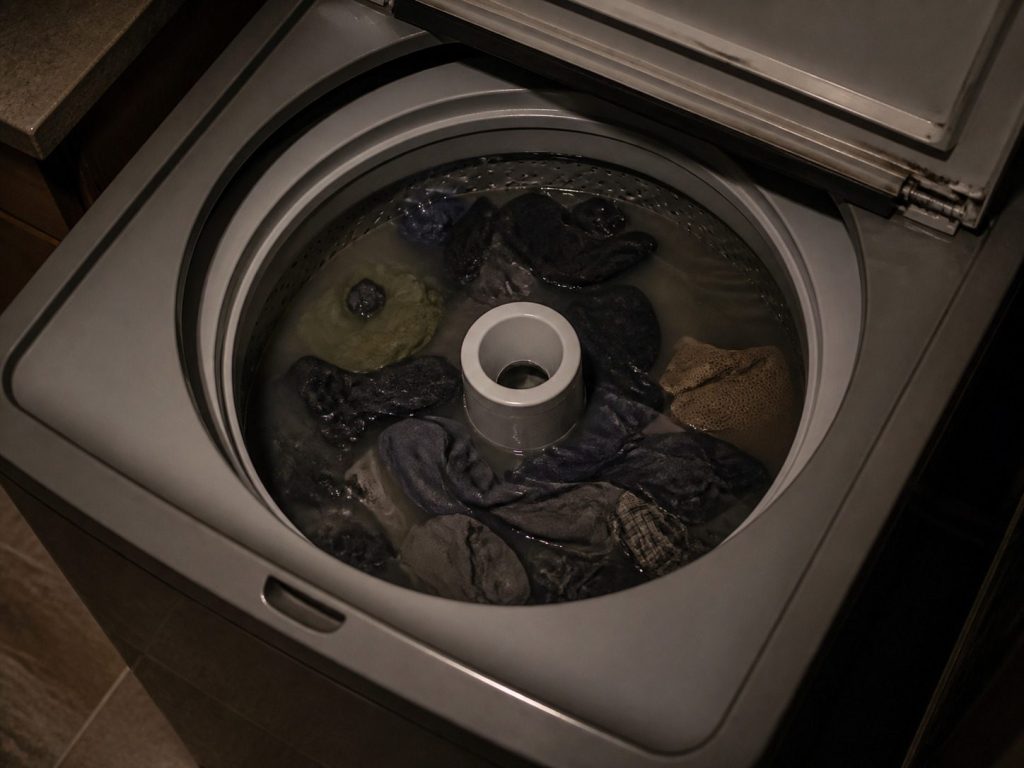
The cycle ended and the drum is still full Washer will not drain
This is the symptom where the decode earns its keep most visibly. A 110 is a Whirlpool and a 796 is an LG, and on this exact problem one of them will usually name it on the display while the other simply stops. The repair is similar; the phone call is completely different.
- 110 stops quietly, 796 usually says why
- The filter or coin trap comes before the pump
- The pump is blamed far more often than it fails
-
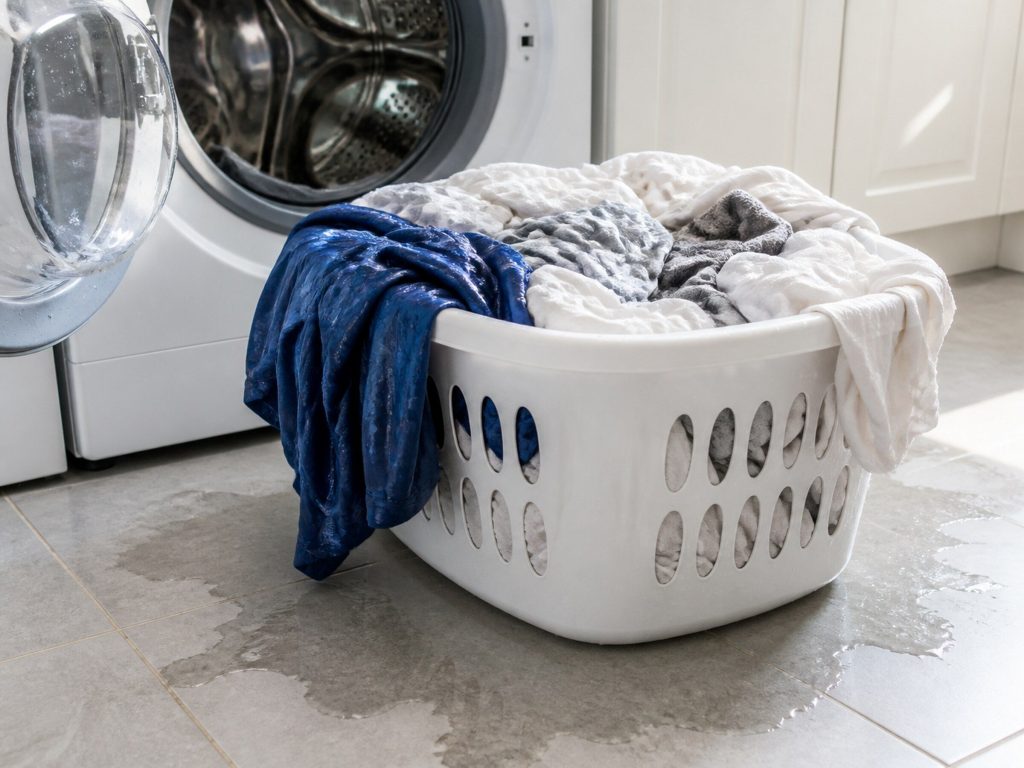
The load comes out soaking Washer will not spin
The cheap answers come first here and they are right most of the time. Every washer refuses to spin rather than risk it, so the things that stop a spin are mostly safety interlocks and load balance rather than the drive.
- Balance and the lock before the drive
- Two builders, two drive systems
- The motor is rarely the answer
-
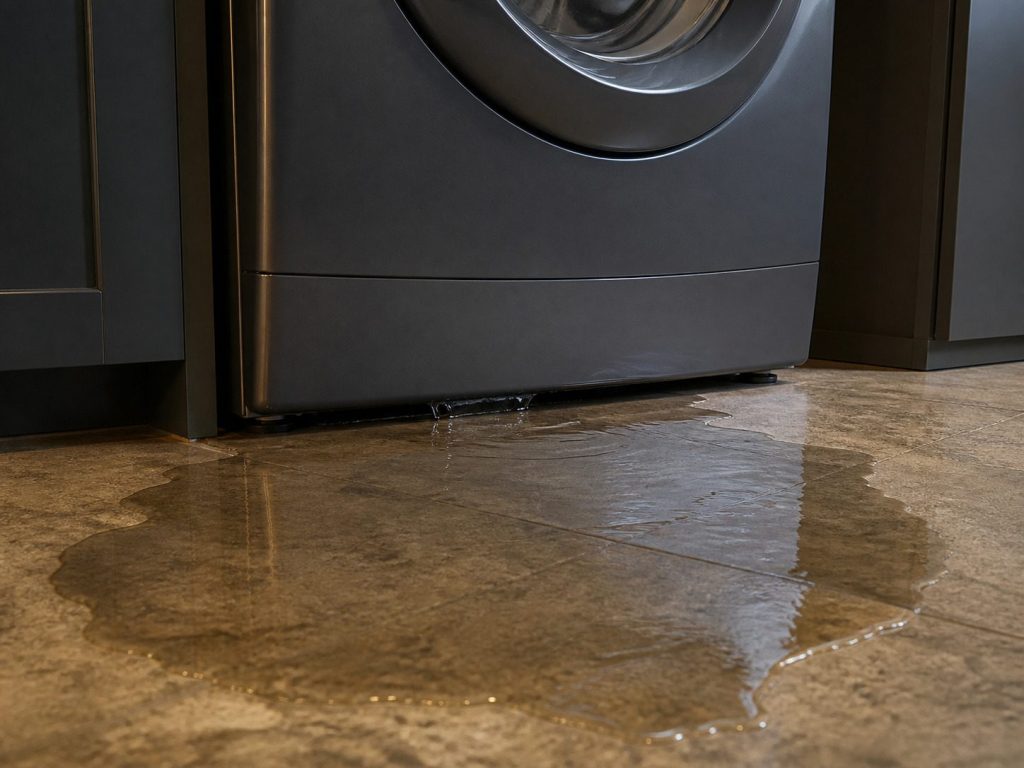
Water on the floor, and rarely from where it looks Washer leaking
The useful question is not where the water is but when it appears. Fill, wash, drain and spin put water in different places at different pressures, and which part of the cycle leaks narrows it faster than any inspection.
- When it leaks matters more than where
- Fill hoses are checked every visit
- The gasket fold is a local suspect
-
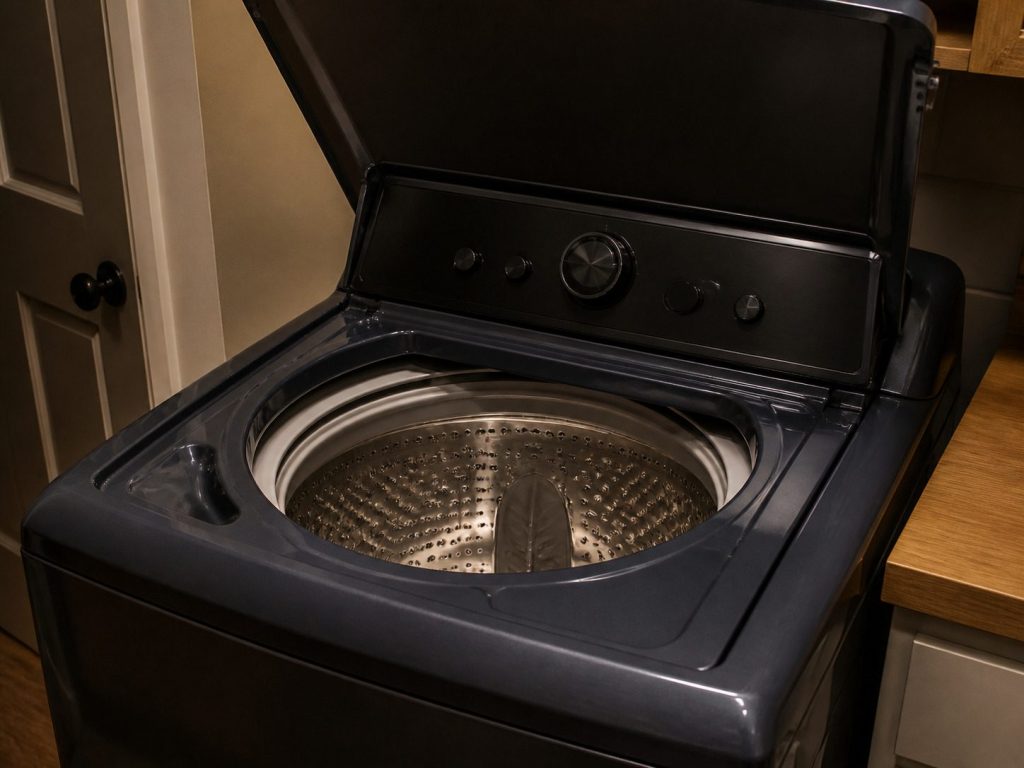
It is plugged in, the panel responds, and nothing happens Washer will not start
Almost always an interlock or a setting rather than a failure. Every one of these machines refuses to run rather than risk an open lid, and both manufacturers have a control lock that makes the panel look dead while nothing at all is wrong.
- The lid or door lock is the usual answer
- Control lock looks exactly like a failure
- Both builders publish a code for it
-
A full cycle later and the load is still damp Dryer not drying
The most useful thing we can tell you about a dryer in South Florida is that this is usually the duct rather than the dryer. Vent runs here are longer, flatter and wetter than the ones these machines were designed around, and every builder publishes a code for a blocked one.
- The vent is the answer more often than any part
- All three builders publish a restricted-airflow code
- It is free to test at the outside hood
-
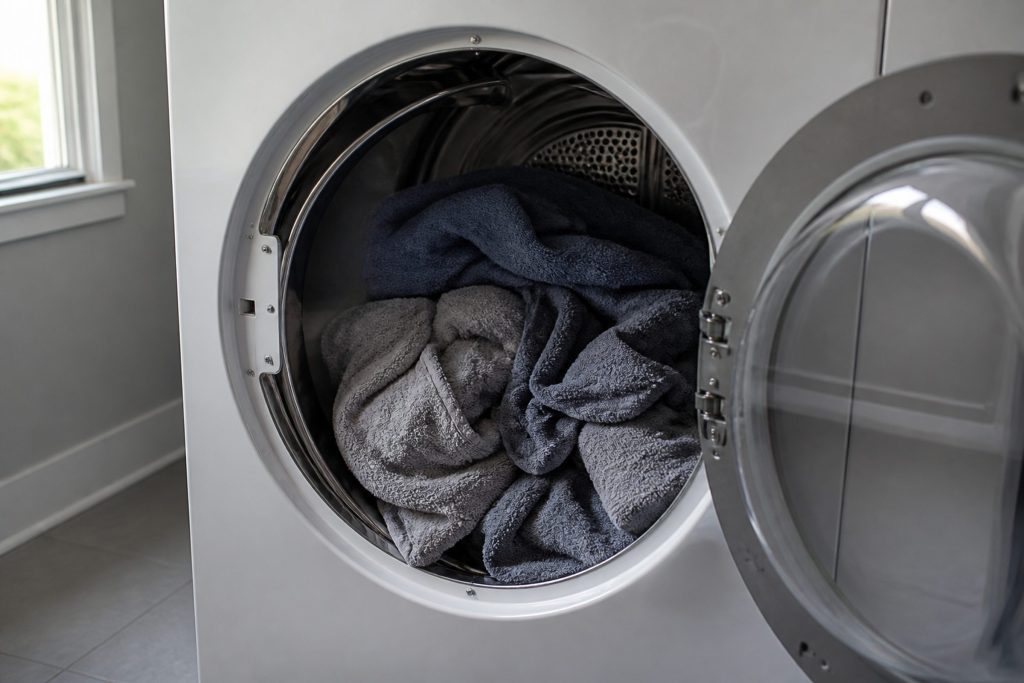
It tumbles perfectly and nothing gets warm Dryer with no heat
A dryer that turns but does not heat has a short list of causes, and which list depends on whether it is gas or electric. Telling us which you have on the phone means the right parts arrive on the first visit.
- Gas and electric fail in different places
- An electric dryer on one leg of supply does exactly this
- The vent is checked in the same visit, always
-
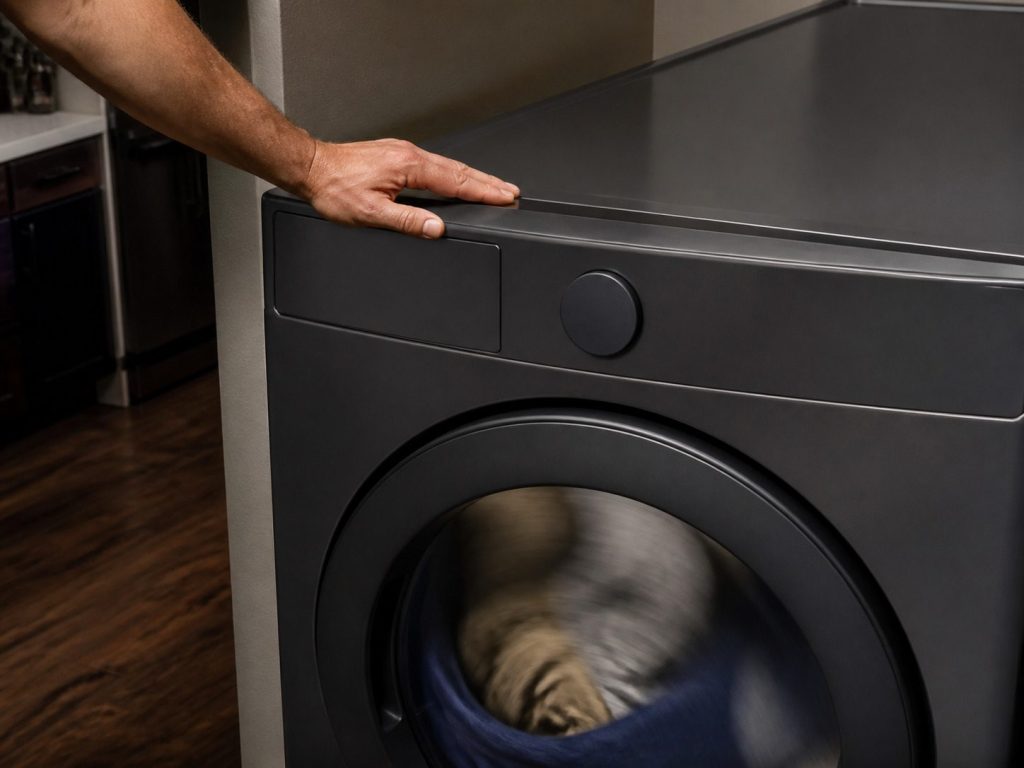
A squeal, a rumble or a thump that was not there before Dryer making noise
A useful symptom, because different noises come from different parts and a description on the phone gets us most of the way there. The parts involved are inexpensive; the labor is the cost, which is why they are usually replaced as a set.
- The noise itself narrows it a great deal
- Belt rollers and idler wear together
- Doing one and leaving the others pays the labor twice
-
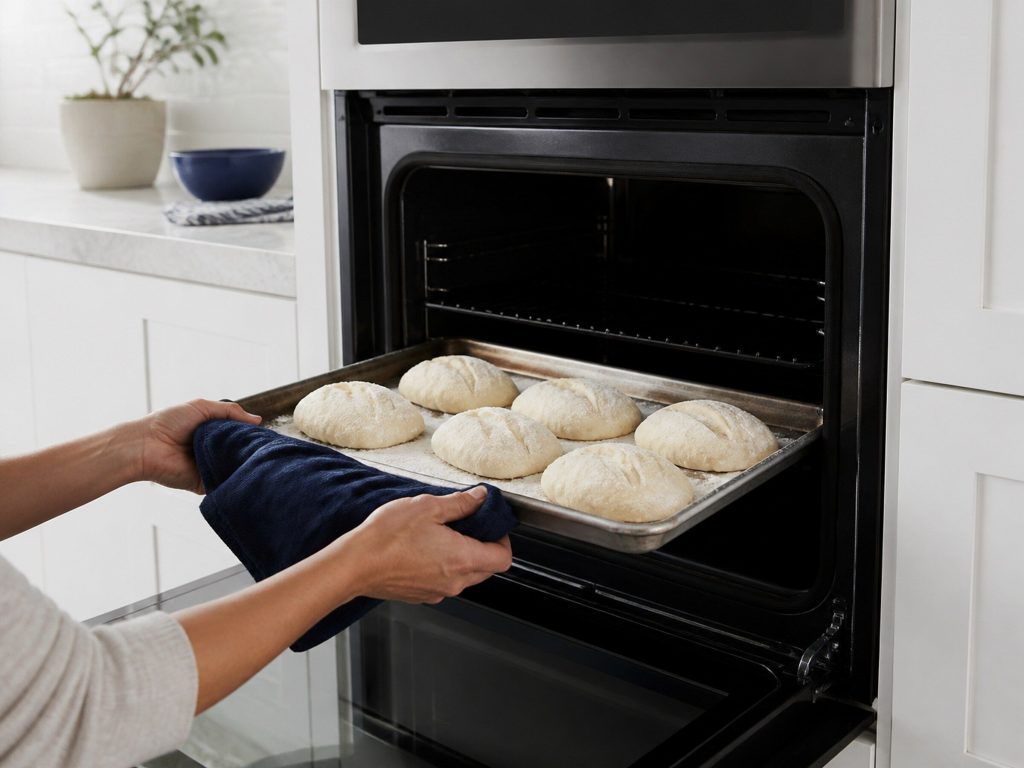
It will not reach temperature, or takes far too long Oven not heating
Two answers cover most of these and they are cheap to tell apart. A failed bake element usually shows itself, and a temperature sensor that has drifted does not show anything at all — it simply reports the wrong number and the oven confidently holds a temperature it is not at.
- A bake element usually shows visible damage
- A sensor problem shows nothing at all
- A consistent offset is the sensor's signature
-
It locked itself and will not open Oven door locked shut
Nearly always a self-clean cycle that has not completed or has not cooled, and nearly always resolvable without damage — provided nobody forces it. Forcing an oven door lock is how a modest repair becomes a hinge and a liner.
- Almost always a self-clean cycle
- Do not force it — that is the expensive mistake
- The lock holds until the cavity is genuinely cool
-
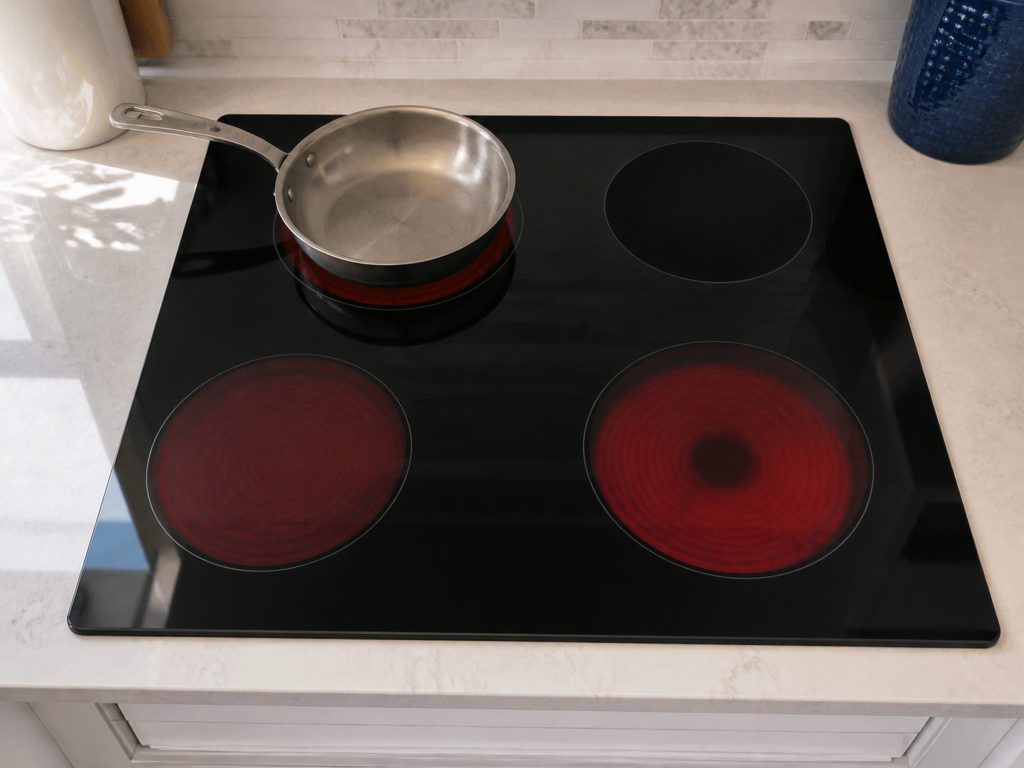
The others are fine and this one is dead One cooktop burner not working
Good news, usually. A single dead zone points at that zone rather than at anything the whole cooktop shares, and on all three technologies the parts involved are accessible and modest.
- One zone dead is rarely a shared part
- On gas it is usually seating or a port
- Cracked glass is a stop, not a repair
-
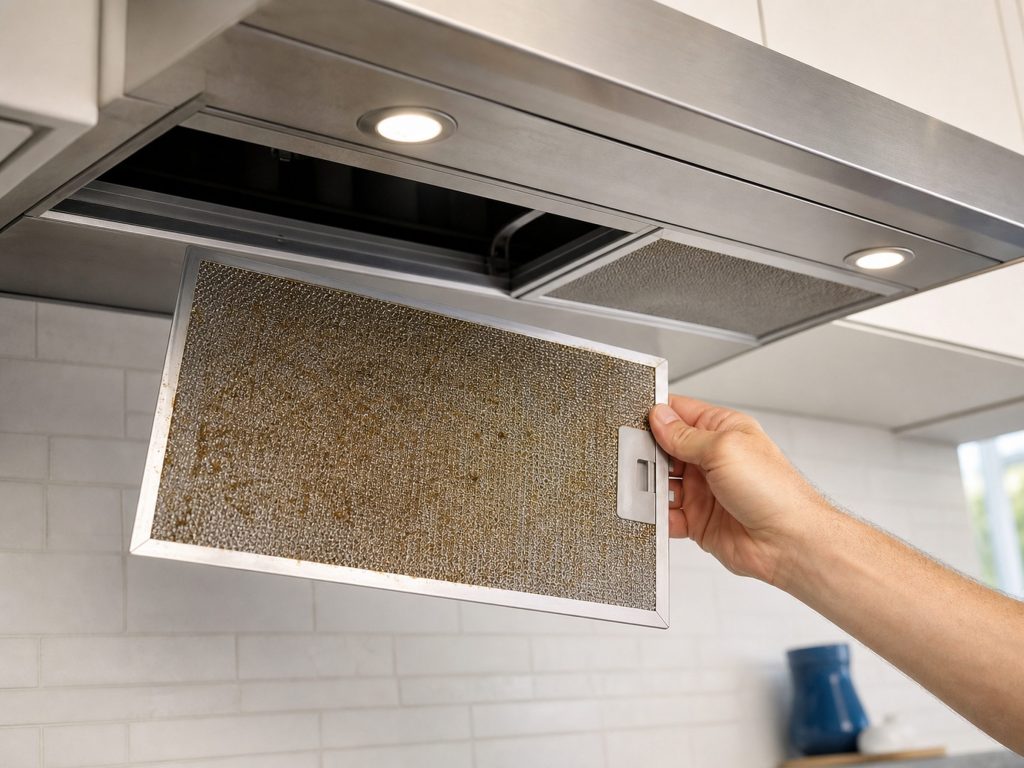
The fan runs and the kitchen still fills with steam Range hood not pulling air
The first question decides everything, and it is not about the hood. A recirculating hood passes air through charcoal and returns it to the room — it removes some odor and no moisture — and a great many complaints about a hood that does not work are that discovery.
- Ducted or recirculating changes everything
- Grease filters are free to fix and often the answer
- 233 is Broan — a ventilation maker, not an appliance one
The distinction that costs the most
The same symptom has a different first suspect on each maker
Refrigerator not cooling
Where the symptom is the only route in
Some of these manufacturers publish no codes at all
Roper publishes nothing — no table, no list, no section on any maker site — so a 911 range is diagnosed by symptom and by measurement, and that is the honest method rather than a second-best one. Broan publishes nothing for the hoods behind the 233 prefix. Nobody publishes a code table for a standalone ice maker. On those appliances these pages are not a supplement to a code archive; they are the whole of it.
Worth trying first
The free checks, by appliance
Refrigeration
- Look for a cooling-off mode or a demonstration mode — both leave a cabinet lighting up and not cooling, on purpose.
- Check the vents inside are not blocked by a full shelf.
- Ice under the crisper drawers is the defrost drain, almost every time.
Laundry
- Feel for airflow at the outside dryer vent with the machine running.
- Open the drain pump filter on a front-load washer. Have a towel ready.
- Hold the control lock button for three seconds before assuming anything is dead.
Kitchen
- Check the disposer knockout plug if the dishwasher has never drained well.
- On a gas burner that clicks and will not light, dry and reseat the cap.
- A dash in a Frigidaire-built cooktop display means it is locked, not broken.
By appliance
Every appliance we cover
Every behavior above sits under one or more of these. Approach it from the machine if that suits you better.
-
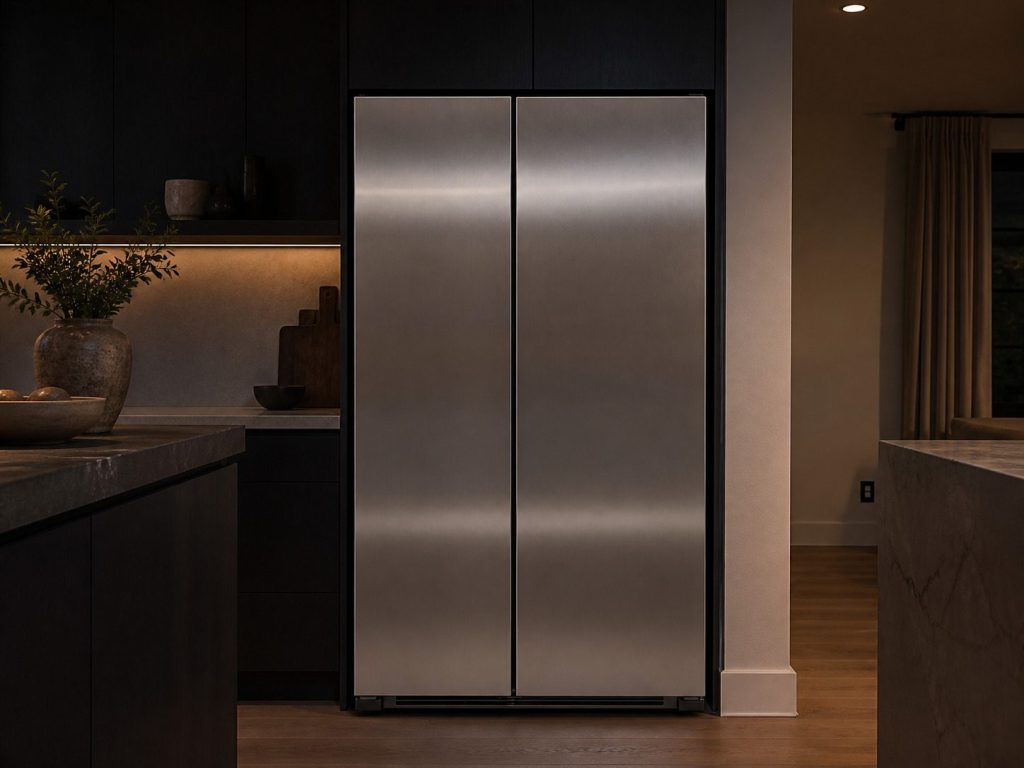
French door · side-by-side · top and bottom freezer Refrigerators
The appliance the badge is best known for, and the one where knowing who built it changes the repair most. A Kenmore refrigerator in a South Florida kitchen is a Whirlpool, a Frigidaire or an LG underneath, and the first three digits of the model number say which. That decides the parts, the diagnostic sequence and whether there is a published code table to read at all — so it is the first thing we ask for.
- 106 is Whirlpool, 253 is Frigidaire, 795 is LG
- Ice, water and the defrost circuit are most of the call volume
- The parts catalog is the builder's, not the badge's
-
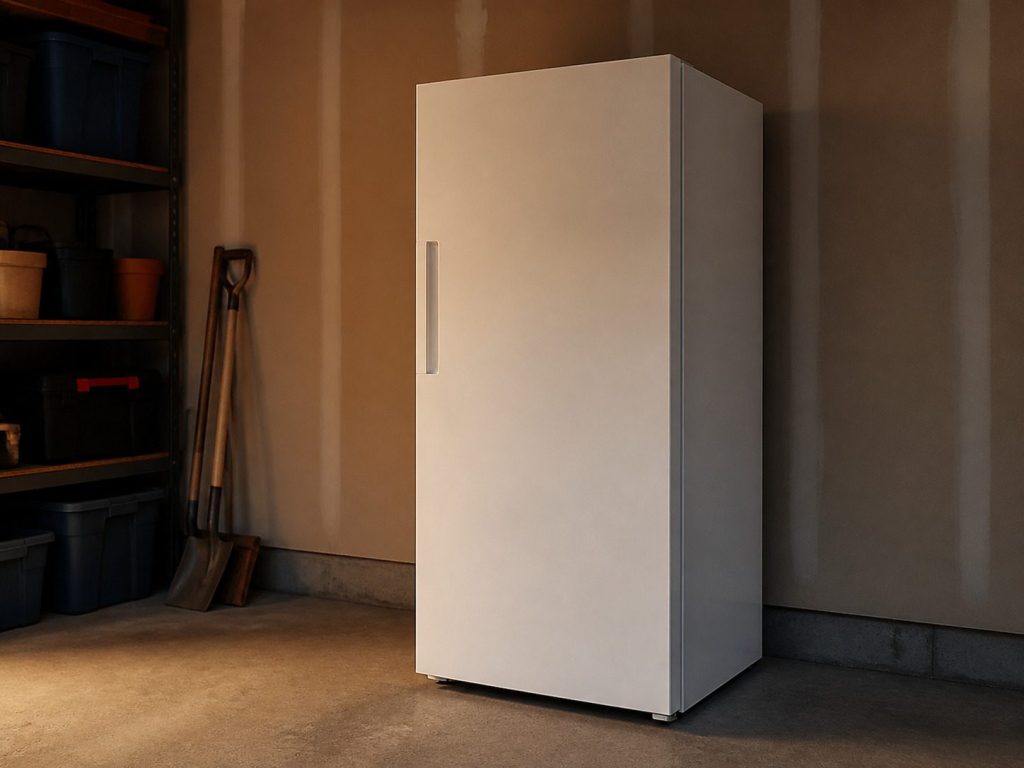
Upright and chest · garage and utility room Freezers
Standalone uprights and chest freezers, most of them Frigidaire-built or Whirlpool-built, and most of them living somewhere hot: a garage, a utility room, a covered porch. That location is half the diagnosis. A freezer asked to hold zero degrees in a garage that reaches ninety-five is working at the edge of what it was designed for, and it fails differently from one in a kitchen.
- 253 is Frigidaire-built, 106 is Whirlpool-built
- Where it lives decides how it fails here
- Manual-defrost chest units have no defrost circuit to blame
-
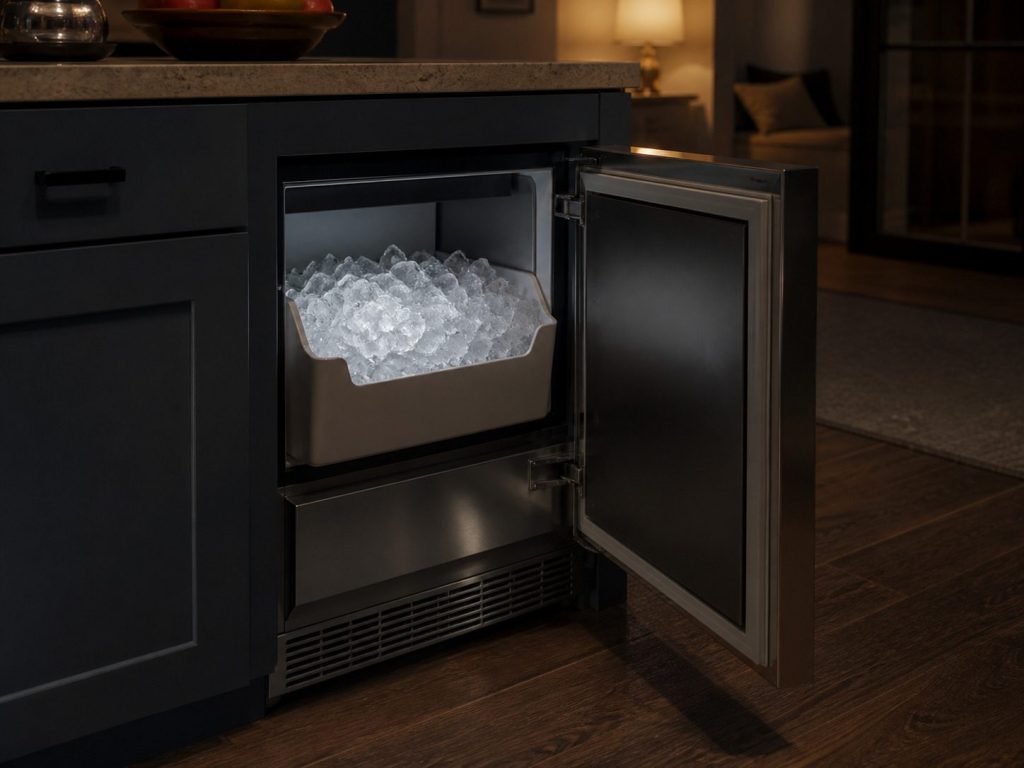
Standalone and undercounter · a machine of its own Ice makers
Standalone and undercounter ice makers, which are a separate appliance from the ice maker built into a refrigerator door. They have their own compressor, their own water path and their own harvest mechanism, and they are designed to run continuously rather than in the background. In South Florida that means they run almost every hour of the year, on water that is hard enough to change how they behave within months.
- A machine in its own right, not a refrigerator part
- Mineral buildup is the common ending here
- Which stage the cycle stops at is the diagnosis
-
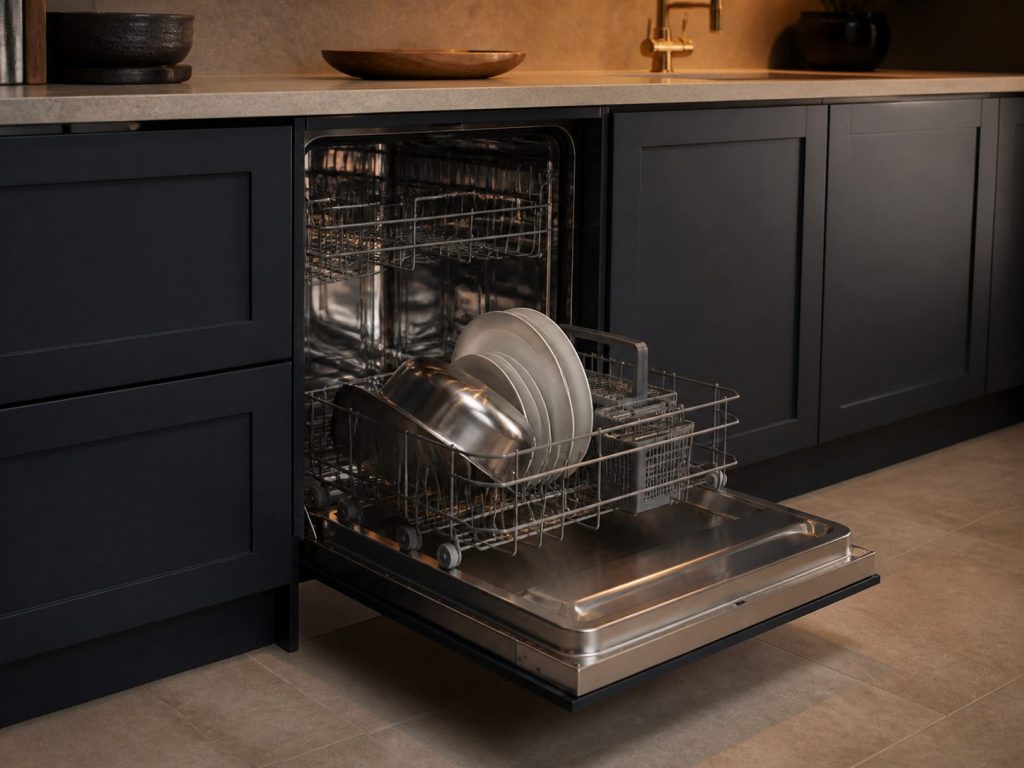
Built-in · Kenmore and Kenmore Elite Dishwashers
Built-in dishwashers. 665 is the number on most of the plates we see and it is Whirlpool-built; 587 is Frigidaire and 630 is Bosch, and all three turn up in South Florida kitchens. Whirlpool publishes a real code scheme for these, which makes a dishwasher one of the more readable appliances on this badge — provided you read the code against the right builder's table.
- 665 is Whirlpool, 587 is Frigidaire, 630 is Bosch
- Drainage and wash performance are most of the calls
- The code on the display is Whirlpool's code
-
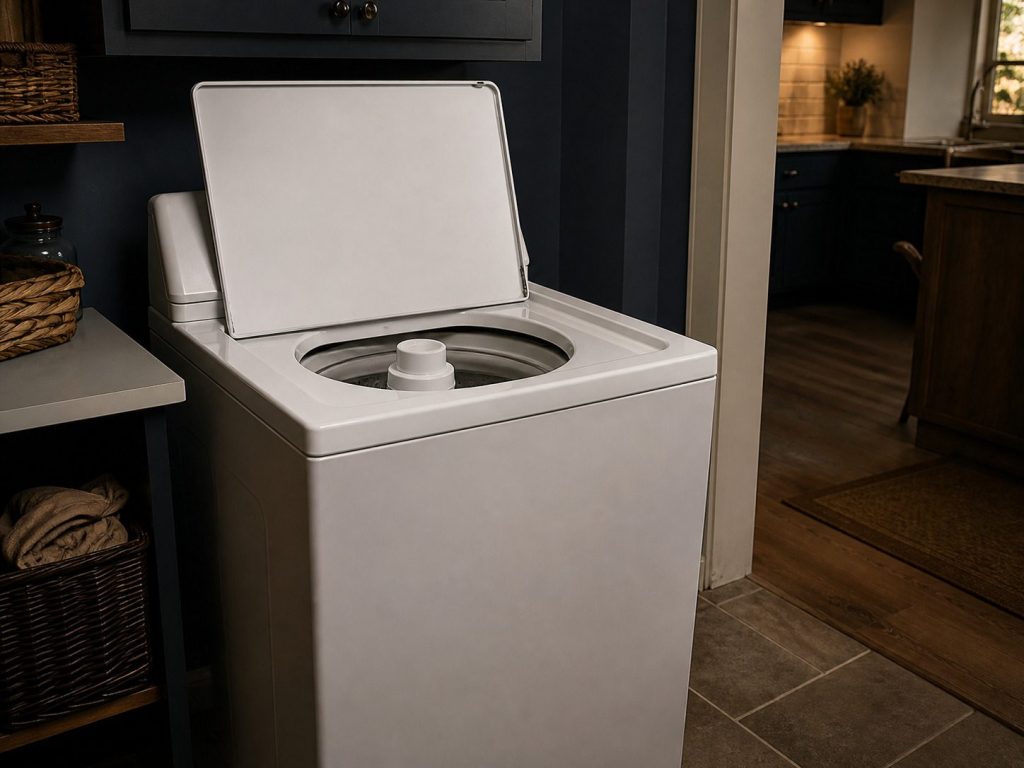
Top-load and front-load · 110 and 796 Washers
Laundry is where the decode matters most, because a Kenmore washer can be a Whirlpool, an an LG, and those are two genuinely different machines. A 110 and a 796 do not share a pump, a control board, a diagnostic sequence or a code table, and they do not fail the same way. The model number is not a formality on this appliance — it is the difference between the right visit and the wrong one.
- 110 is Whirlpool-built, 796 is LG-built
- Drain, spin and leaks are most of what we see
- Two washers under one badge, and two code tables
-
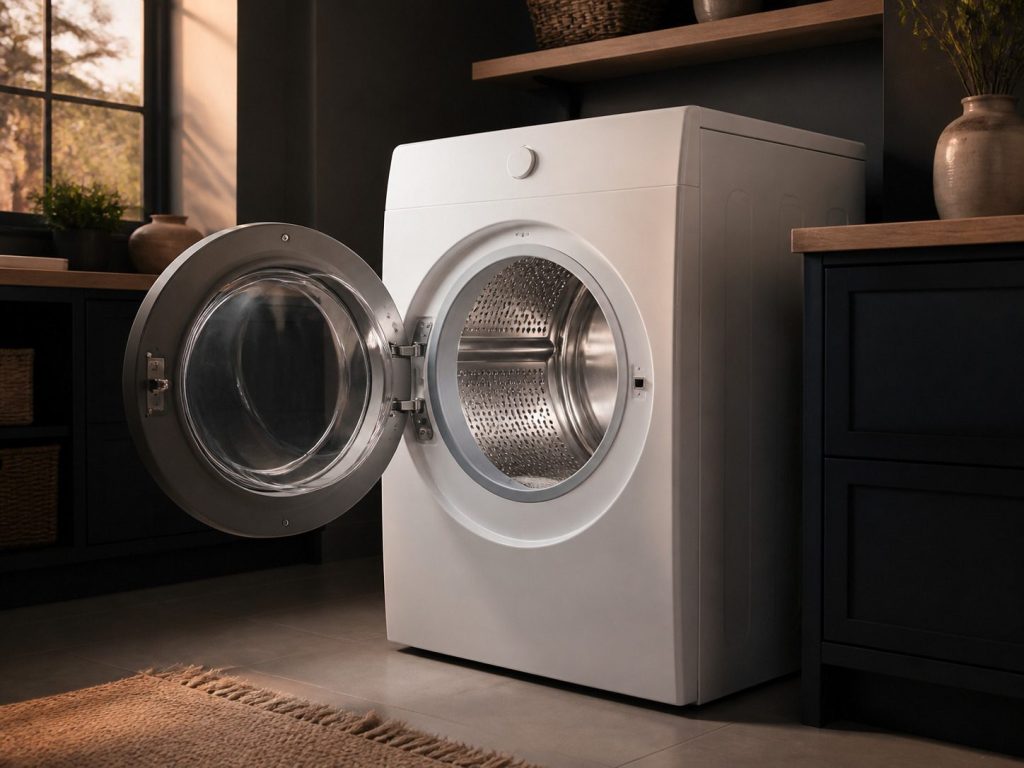
Electric and gas · 110, 796 and 417 Dryers
Electric and gas dryers built by Whirlpool, LG and Frigidaire under the badge. On this appliance the single most useful thing we can tell you is that a large share of no-heat and long-cycle calls are the vent rather than the dryer — and in South Florida houses the vent runs are longer, flatter and wetter than the ones these machines were designed around.
- 110 is Whirlpool-built, 796 is LG-built, 417 is Frigidaire-built
- The vent causes more of these calls than any part does
- Gas and electric fail in different places
-
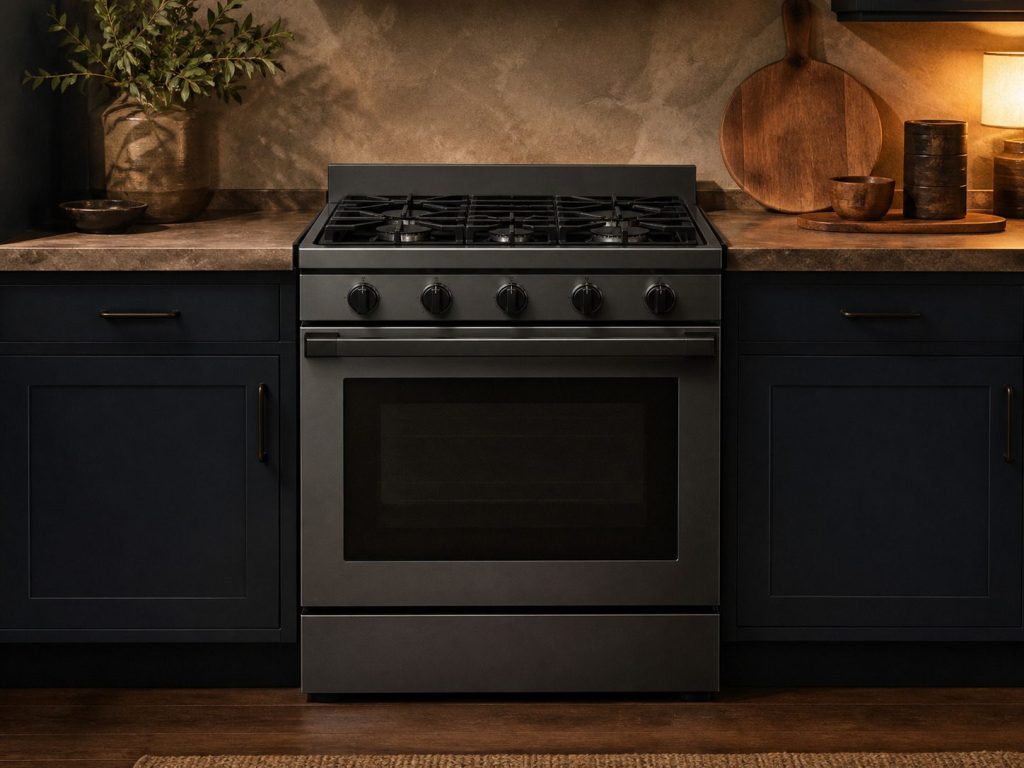
Freestanding and slide-in · gas and electric Ranges
Freestanding and slide-in ranges, gas and electric. 790 is the number we see most and it is Frigidaire-built; 362 turns up on GE-built ranges and 911 on another range family altogether. A range is the appliance a household notices fastest when it stops, and it is also the one where the difference between a sensor, an element and a control board is the difference between a modest repair and a conversation about replacing it.
- 790 is Frigidaire, 362 is GE, 911 is a range prefix too
- Oven sensor and bake element are most of the calls
- Gas surface problems are usually the igniter, not the valve
If what yours is doing is not here
An appliance can do more than twenty things wrong
What is written up here is what we get called out to most often. It is not a catalog of everything a machine is capable of.
Give us three digits from the plate and a description of the behavior, and we will say what it commonly proves to be. Those digits identify the company that built the machine, which is where everything on this site begins.
Before you call
Questions about symptoms
There is no code on the display. Is that a problem for you?
Not at all, and on several appliances under this badge it is the only route there is — Roper, Broan and standalone ice makers put nothing in front of you to look up. We work by measurement and observation, which is a proper method and not a consolation prize.
Why does the first three digits keep coming up?
Because they name the manufacturer, and the manufacturer decides what the symptom means. It is the single most useful thing you can tell us on the phone.
Can you tell me what is wrong over the phone?
Sometimes, and we will if we can. A description plus the model number is often enough to name the likely part and say what it starts at. What we will not do is confirm a price before somebody has seen the appliance.
In more detail
What Kenmore repair actually involves in Miami
Why the no-cost checks come first here
Because on this catalog a genuine share of calls end at something that costs nothing. A cooling-off setting on a refrigerator. A locked cooktop showing a dash. A control lock on a washer. A dryer duct. None of those is a repair, all of them look exactly like one from the kitchen, and every page here checks them before it names a part.
Why a symptom is not a diagnosis on this badge
Seven manufacturers built the appliances behind this nameplate, and they do not arrive at a symptom by the same route. Reading a symptom against the wrong maker’s habits gives you a confident answer pointing at the wrong component, which is worse than no answer at all. That is why every page here names the maker and says what changes.
What we do with what you tell us
Which appliance, which three digits, what it is doing and for how long. Those four usually narrow a symptom to two or three components before anybody drives out, and they decide what is on the van.
What happens on the visit
Measurement rather than replacement on suspicion. A temperature, a continuity check, a water pressure, an airflow — whichever the symptom calls for. A part named on an impression is a part bought twice, and the diagnostic fee exists so that does not happen.
Put the behavior into your own words.
With three digits from the plate, that is a starting point. Where it matches one of the answers that costs nothing, we will tell you so before anybody drives out.
This article is based on:
- Official manufacturer documentation
- Internal repair procedures
- Technician repair history
- Company quality standards