Appliance
Kenmore range hoods
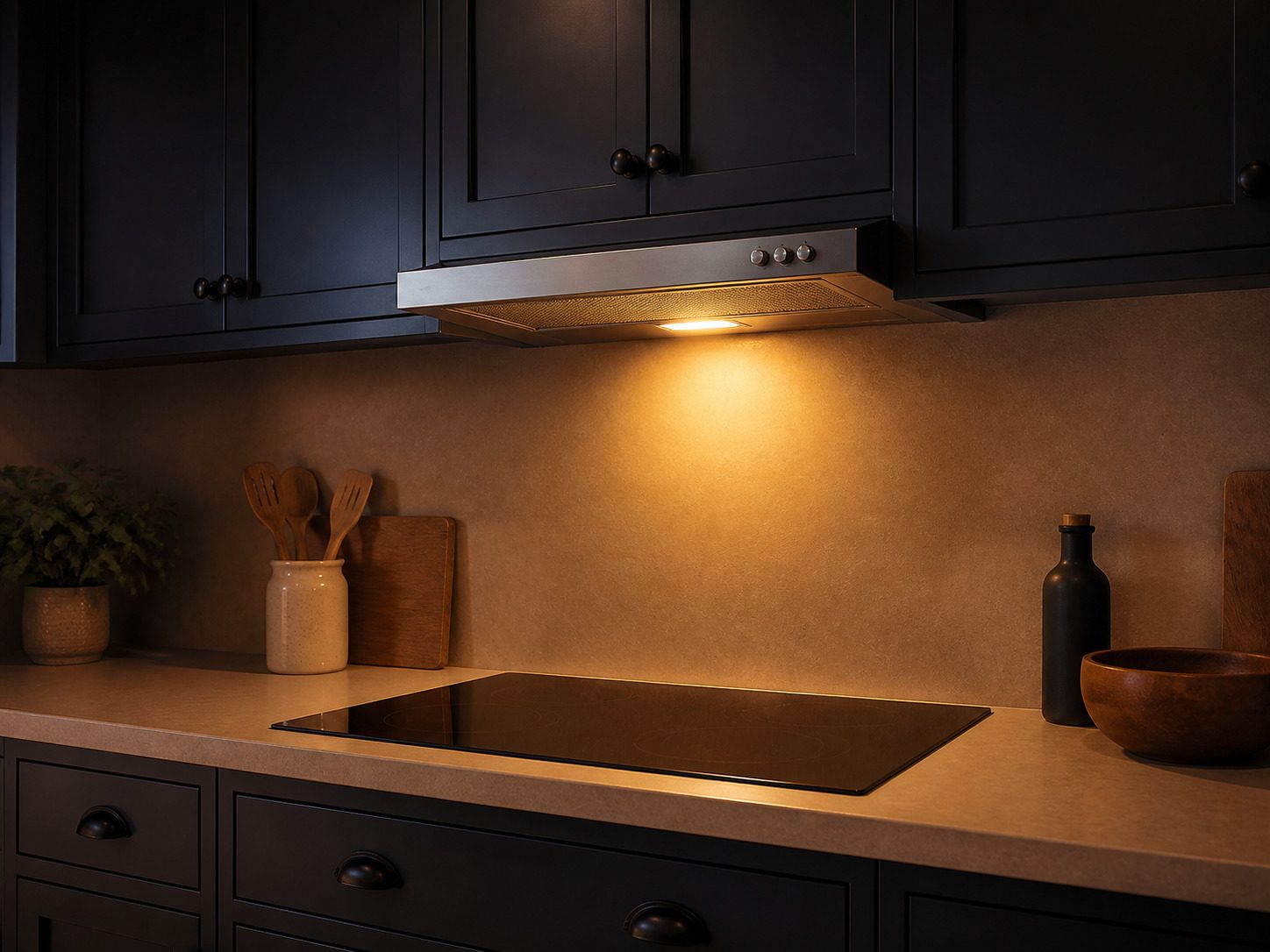
Under-cabinet and chimney hoods, and this is the one appliance on the badge with a ventilation specialist behind it — the 233 prefix is Broan. There is not much to a hood: a motor, a switch, a lamp and a path for the air. Which is why most of what we are called about turns out to be the duct or the filters rather than the hood.
- 1 symptoms we are called out to
- From $95 diagnostic, credited to the repair
- 59 cities and neighborhoods covered
- OEM parts available on order
The short version
What this equipment is, for a repair
Configurations
Under-cabinet and chimney · ducted and recirculating
Access
Planned before the visit, not discovered on arrival
Parts
OEM, available on order
Diagnostic
From $95, credited to the repair
What goes wrong with it
Symptoms we are called out to on Kenmore range hoods
Each one covers the likely causes in the order they are worth checking, and what to do in five minutes before booking anything.
-
The fan runs and the kitchen still fills with steam Range hood not pulling air
The first question decides everything, and it is not about the hood. A recirculating hood passes air through charcoal and returns it to the room — it removes some odor and no moisture — and a great many complaints about a hood that does not work are that discovery.
- Ducted or recirculating changes everything
- Grease filters are free to fix and often the answer
- 233 is Broan — a ventilation maker, not an appliance one
What we do on it
Repairs we carry out on Kenmore range hoods
Starting figures for this equipment in South Florida. The exact cost is confirmed after an on-site diagnostic — and this is not the whole list of what can go wrong, so call if your problem is not here.
-
from $95 Diagnostic visit
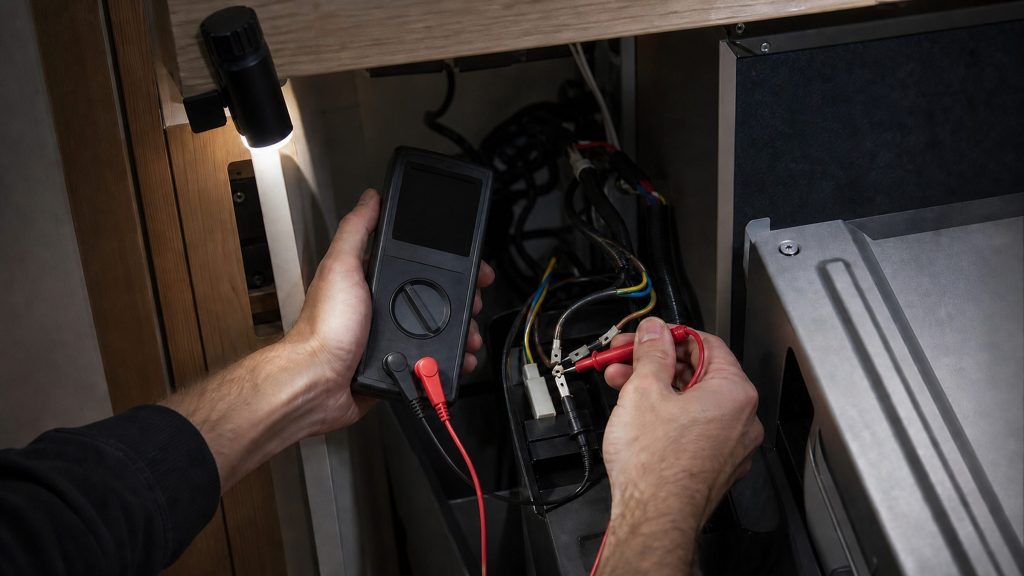
Nobody names a part on this site until somebody has measured something. On this badge the visit starts one step earlier than it does on most makes: with the model number, because the first three digits tell us which manufacturer built the appliance and therefore which service documentation, which diagnostic sequence and which parts catalog apply. Arriving without that is guessing at three appliances at once.
- The prefix read first, then the appliance
- What it reports, measured rather than assumed
- Credited toward the repair when you go ahead
-
from $95 OEM cross reference and parts sourcing
The job that only exists on a badge-engineered appliance. A Kenmore part number is not the part number the factory used, and on a discontinued unit the difference decides whether the repair is possible at all. We cross-reference the Kenmore number to the builder's own number and tell you plainly whether the part is current, superseded or gone.
- The builder's part number, not the badge's
- Superseded numbers traced rather than guessed
- An honest answer when a part no longer exists
-
from $125 Appliance maintenance
Scheduled work in one visit rather than an emergency in three months. Condenser coils, door seals, filters, the dryer duct and the dishwasher drain path — the things that fail quietly here and take a component with them when they do. In this climate this is the service that changes the arithmetic most.
- Coils, seals, filters and the duct in one visit
- Priced below a diagnosis plus the repair it prevents
- The interval that suits South Florida rather than the manual
-
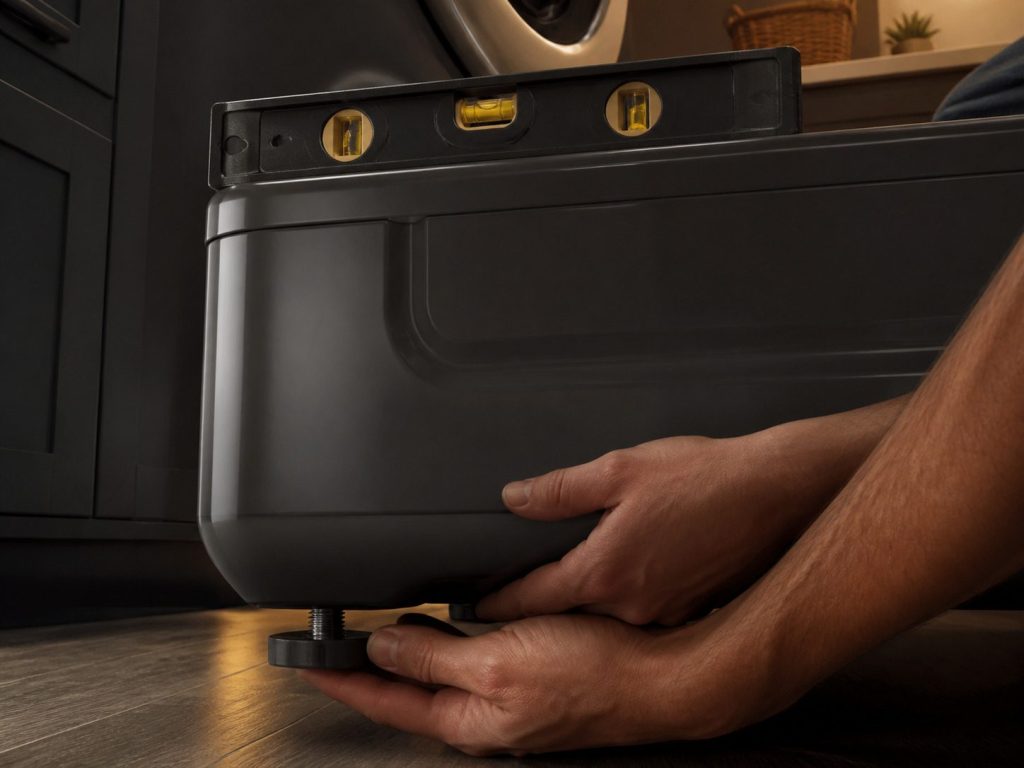
from $145 Appliance installation
Connection, leveling and a working test, done so the appliance does not spend its life fighting its installation. Half the calls we take about a new appliance are about how it went in: a drain hose without a high loop, a dryer vent crushed behind the machine, a refrigerator with no clearance at the back.
- Leveled and tested rather than plugged in
- Gas and stacked installations quoted on the job
- The install decides how the appliance ages
-
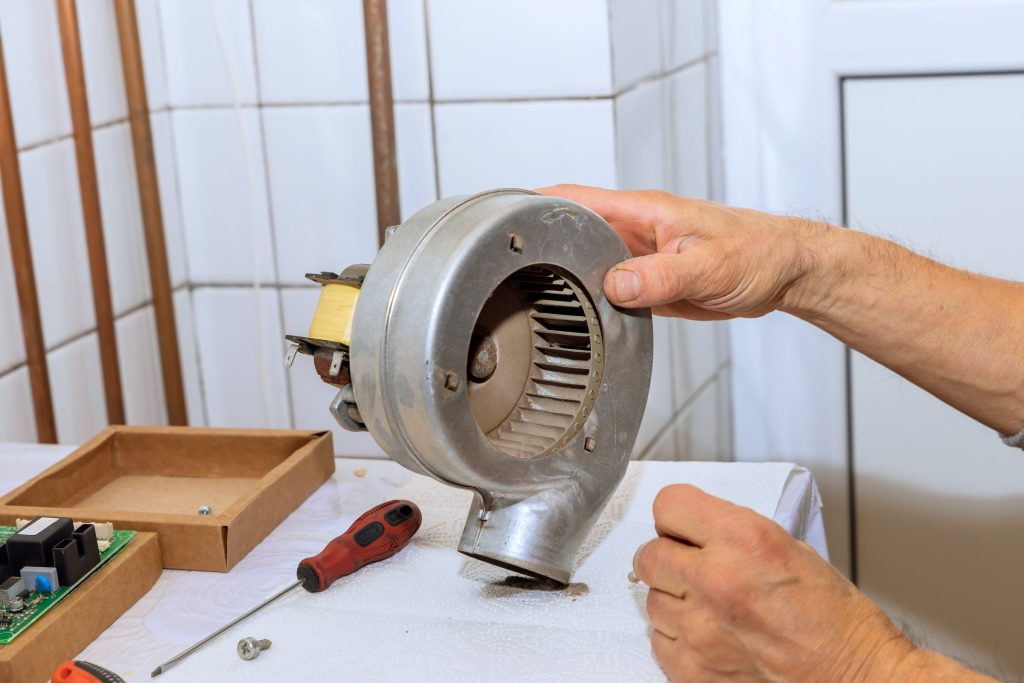
from $135 Range hood blower and light repair
A hood that has gone quiet, gone loud, or lost its light. These are the simplest appliances in the kitchen and among the most repairable — a blower, a switch, a lamp and a filter — and a large share of the complaints are about the duct rather than the hood.
- Ducted or recirculating settled first
- A greasy impeller before a new motor
- The simplest appliance here and the most repairable
In more detail
About Kenmore range hoods
The one appliance built by a ventilation company
The 233 prefix on a Kenmore hood is Broan, a maker of ventilation rather than of appliances. It shows in the design: hoods are simpler than anything else in this catalog, with a blower, a switch, a light and a filter, and they are repairable long after a comparable electronic appliance would not be.
Ducted or recirculating decides everything
A ducted hood moves air out of the house. A recirculating hood passes it through charcoal and returns it to the room, removing some odor and no moisture. In a South Florida kitchen the difference is very noticeable, and it is not something a repair can change without new ductwork.
The maintenance nobody does
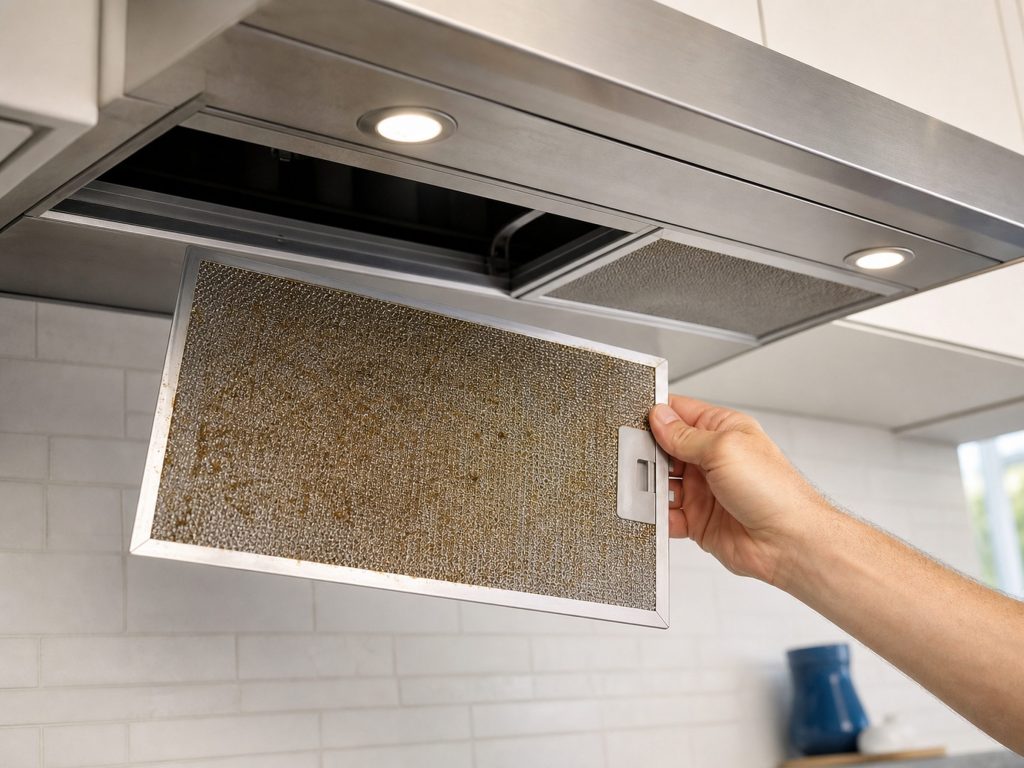
Grease filters are dishwasher-safe on most hoods and are the single highest-value thing a household can do for one. A loaded filter makes the hood louder, less effective and harder on the motor, and it is free to fix.
What a visit looks like
Airflow at the hood and at the outlet, the filters, the damper, then the blower and the switch. Where the answer is the duct rather than the appliance, we will tell you what the duct needs and what it will take.
This article is based on:
- Official manufacturer documentation
- Internal repair procedures
- Technician repair history
- Company quality standards
Before you book
Questions about Kenmore range hoods
It runs but it does not pull anything.
First question: is it ducted to the outside, or does it recirculate through a charcoal filter and back into the room? A recirculating hood was never going to move steam out of the kitchen, and a great many complaints are that discovery. Where it is ducted, it is the grease filters, then the duct, then the damper flap at the outlet, and then the blower.
The light works but the fan does not.
A working lamp proves the hood is being fed, so whatever has stopped is downstream of the supply — the fan switch, the blower motor or its capacitor. On most hoods all three are accessible parts and it is a modest repair.
It has become very loud.
Usually the blower — either bearings on their way out, or an impeller loaded with grease and out of balance. Cleaning the impeller fixes more of these than replacing the motor does, and it is worth trying first.
Where we do it
Across Miami-Dade, Broward, and Palm Beach
Same terms everywhere we go: an on-site diagnostic first, the price agreed in writing, and the exact figure confirmed once we have seen the unit.
Neighborhoods people ask for by name