Safety & Risks
When a Kenmore Dryer Needs Two Cycles, It Is Usually the Duct
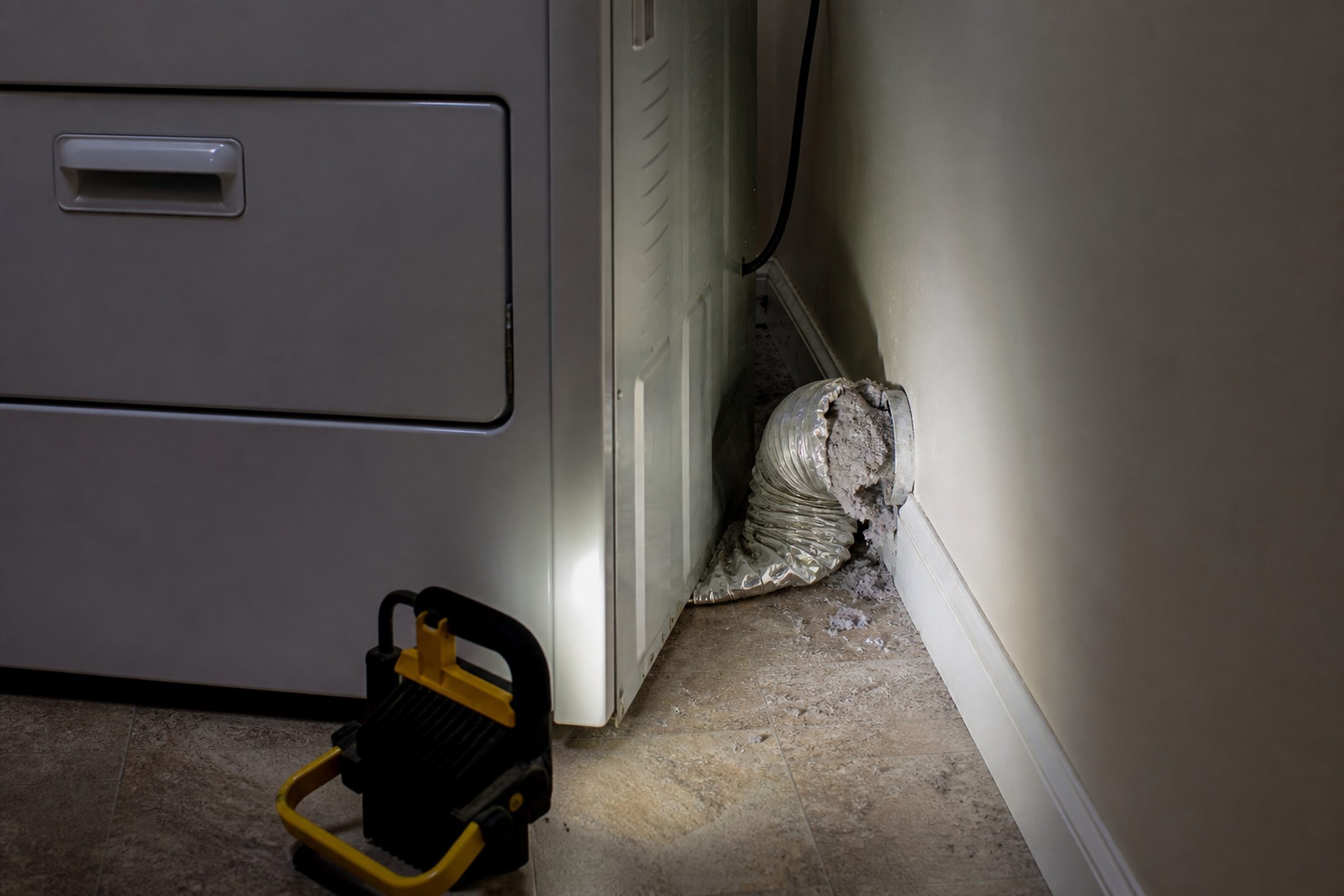
A Kenmore dryer that needs two cycles is nearly always moving too little air rather than making too little heat. Test it two ways, both free. Run the dryer and hold your hand in front of the outside vent hood: a strong push with the flap lifted means the duct is clear, and a trickle with the flap barely moving is the whole diagnosis. Then take the lint screen out, rinse it under a tap, and watch — water that beads and sits on the mesh instead of running straight through means it is coated with fabric-softener residue and is choking the machine every load. All three manufacturers that built these dryers publish a warning for restricted airflow, which tells you how common it is. Stop using the machine immediately if you smell burning.
The full guide
Why is my Kenmore dryer not drying: the machine is telling you about air
Here is the fact that settles most of these calls before anybody opens the machine. All three companies that built these dryers publish a warning for restricted airflow. A Whirlpool-built 110 shows AF and Whirlpool's own wording names a clogged lint screen or vent. An LG-built 796 shows a duct-block warning with a number attached that indicates roughly how blocked it is. A Frigidaire-built 417 belongs to a family whose own alarms-and-codes page is published with nothing in it, so that machine simply takes longer and says nothing.
Three separate engineering teams, three separate control systems, and two of them thought this problem common enough to give it a dedicated message. That is not a coincidence, and it is not a sales line.
Two tests, both free, both conclusive
The hand test. Start a cycle and go outside to the vent hood. Strong warm push, flap lifted: the duct is fine and the problem is elsewhere. Trickle, flap barely moving: you are finished diagnosing.
The water test. Take the lint screen out and rinse it under a tap. Water should go straight through. If it beads up and sits there, the mesh is sealed with fabric-softener residue — invisible, gradual, and it strangles the machine on every load. Scrub it with warm soapy water and a soft brush.
Between them these two tests explain the majority of dryers in this county that need two cycles, and neither costs anything.
Why it is worse here than the manual assumes
Long, flat runs through single-story houses, because that is how they were built. Humid intake air, so lint packs into a mat instead of blowing along. A flap outside exposed to weather twelve months a year, which lint eventually props open so that damp outdoor air drifts back down the duct between loads.
None of that is exotic. It simply means the cleaning interval printed in a manual written for average conditions is the wrong interval for this address.
The protective device is a message, not a part
A dryer that has stopped heating altogether has usually had a thermal cut-out open. That is protection working correctly: the housing got hotter than it should, and the device opened before anything worse happened.
The part is cheap and fitting one gives you a working dryer and exactly the same machine you had before. The thing that overheated it is still in the duct, and the next cut-out opens a few months later. This is why we will not quote that repair without the vent — not to add a line to the bill, but because the alternative is selling the same job twice.
Four things that mean stop today
Appliance fires are rare, and this page is not written to frighten anybody. That is exactly why these four need to be somewhere they cannot be skimmed.
A burning smell while the machine runs. Switch it off at the breaker and leave it off.
Scorch marks on the laundry, or clothes coming out hot enough to be uncomfortable to hold.
A flap outside that does not open at all while the dryer runs, which means the whole exhaust is going somewhere it should not.
A cut-out that has opened twice. Once is a warning. Twice is the duct telling you it was never cleared.
Everything else on this page can wait for a convenient day. Those four cannot.
If it turns out to be a repair
What this leads to, and what it costs
Every job on this site is priced the same way: an on-site diagnostic first, the figure agreed in writing before anybody starts.
-
Dryer not drying
The most useful thing we can tell you about a dryer in South Florida is that this is usually the duct rather than the dryer. Vent runs here are longer, flatter and wetter than the ones these machines were designed around, and every builder publishes a code for a blocked one.
- The vent is the answer more often than any part
- All three builders publish a restricted-airflow code
- It is free to test at the outside hood
-
Whirlpool-built Kenmore dryer error code AF
Whirlpool wrote this code, not Kenmore. On a dryer wearing this badge, AF means: Restricted air flow. Whirlpool's own wording names a clogged lint screen or vent, and it is the single most common code on a dryer in this part of
What this one means -
LG-built Kenmore dryer error code d80
LG wrote this code, not Kenmore. On a dryer wearing this badge, d80 means: LG's own label is DUCT BLOCK ERROR, and the number is roughly how blocked it is. LG's manual prints these as `d8O`, `dGO`, `dGs` and `d7s` because of
What this one means -
Dryer vent cleaning
The single most useful thing anybody can do for a dryer here, and the honest answer to a large share of no-heat and long-cycle calls. South Florida vent runs are longer and flatter than the ones these machines were designed around, and they carry damp air that packs lint down rather than blowing it through.
- The answer more often than any part is
- Airflow measured at the outside hood
- Prevents the heat-circuit repair that follows it
Questions people ask about this
The lint screen is empty every load. Does that not prove it is clean?
It proves the screen is catching lint. The duct is what nobody sees, and it fills whatever the screen does. The two are unrelated problems.
My dryer stopped heating altogether. Is that dangerous?
That is a protective device doing its job — it opened before anything worse happened. The dangerous thing is replacing it without asking what made it open, because the answer is almost always airflow.
How often should the duct be cleared here?
More often than the interval in the manual, which was written for a drier climate. Humid intake air makes lint pack rather than blow through, and long single-story runs give it plenty of places to settle.
Could it be the heating element instead?
It can be, and on a machine with no heat at all that is worth testing. But a dryer producing heat and taking two cycles is an airflow story until proven otherwise.
Safety & Risks
More guides like this one
-
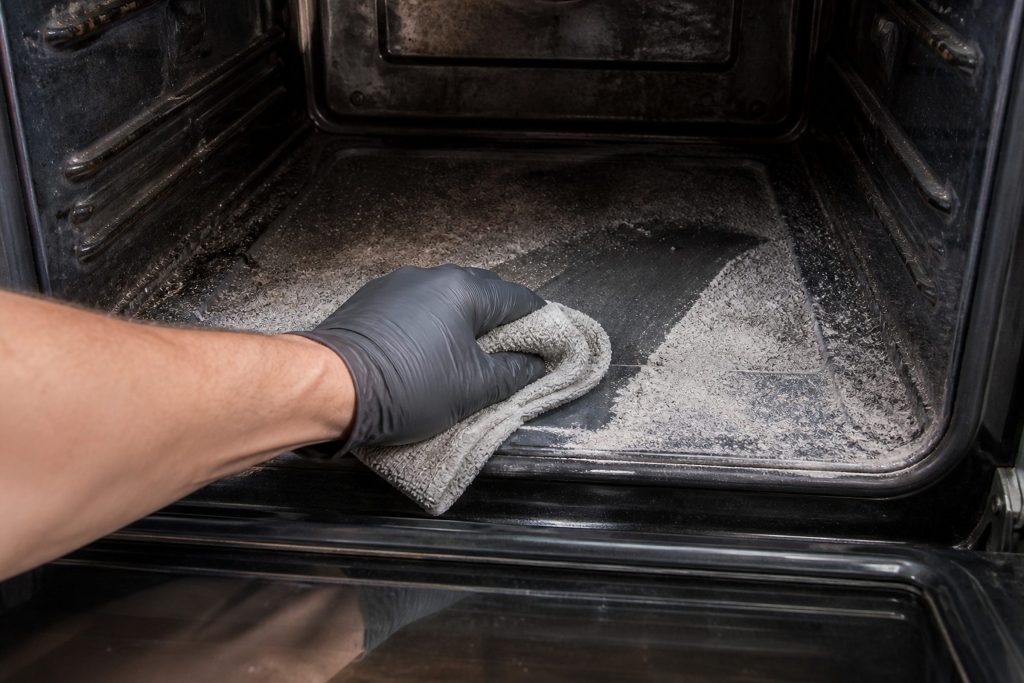
Why a Self-Clean Cycle Is the Riskiest Thing an Old Oven Does
The cycle runs the cavity far hotter than cooking ever does, for hours, and that is where an aging lock, a marginal cut-off or a tired control gives up.
Read more -
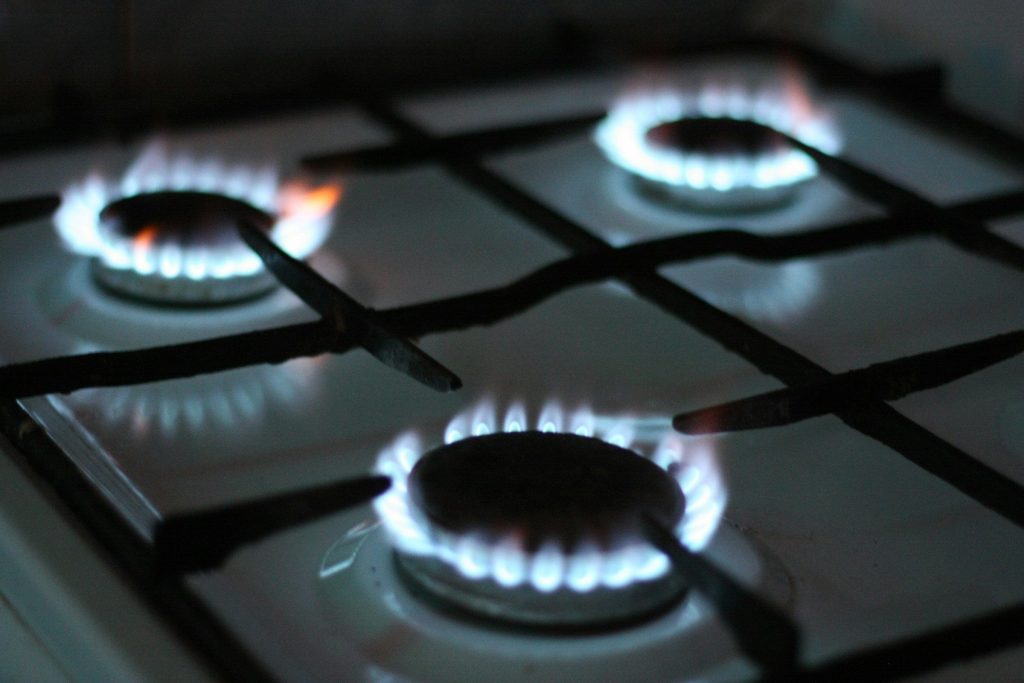
A Kenmore Gas Burner That Clicks and Will Not Light
Clicking means the spark system is alive, which rules out a great deal before anybody spends anything. Four things to check, in order, and one that means stop.
Read more
Tell us the model number and what it is doing.
This article is based on:
- Official manufacturer documentation
- Internal repair procedures
- Technician repair history
- Company quality standards