Maintenance & Prevention
The Smell in a Kenmore Washer or Dishwasher Is Water That Never Dried
A Kenmore dishwasher smells bad because water and food residue are sitting somewhere that never dries: the filter cylinder in the floor of the tub, the folds of the door gasket, and the lip at the bottom of the door that the spray never reaches. Take the filter out, rinse it under a hot tap with a little detergent and a soft brush, and wipe the door lip and the gasket with a cloth. On a front-load washer the same thing happens in the rubber boot around the door and in the dispenser drawer, and the machine tells you about it: Whirlpool-built machines show a Clean Washer reminder and LG-built machines show a tub clean alarm. Leaving the door ajar between loads is the habit that stops it coming back.
The full guide
Kenmore dishwasher smells bad: the filter first, always
There is one mechanism behind this and it is not the machine's design. Food residue plus water plus a warm, closed, humid box equals biology, and everything on this page is about removing one of those three ingredients.
The dishwasher filter is a cylinder standing in the floor of the tub, generally a quarter turn to release, with a flat screen underneath it. On a Whirlpool-built 665 and a Frigidaire-built 587 and a Bosch-built 630 alike, it is designed to be lifted out by hand and washed in the sink. It is the intended maintenance point, it is described in every one of those manufacturers' manuals, and in a decade of a machine's life plenty of them have never been out.
Wash it under a hot tap with a little detergent and a soft brush until water runs through the mesh instead of sitting on it.
The two places the spray never reaches
Then the parts a cleaning cycle cannot help with, because no water is thrown at them.
The lip along the bottom of the door, below the level of the seal. Open the door flat and run a finger along it. Whatever is on your finger is what the kitchen has been smelling.
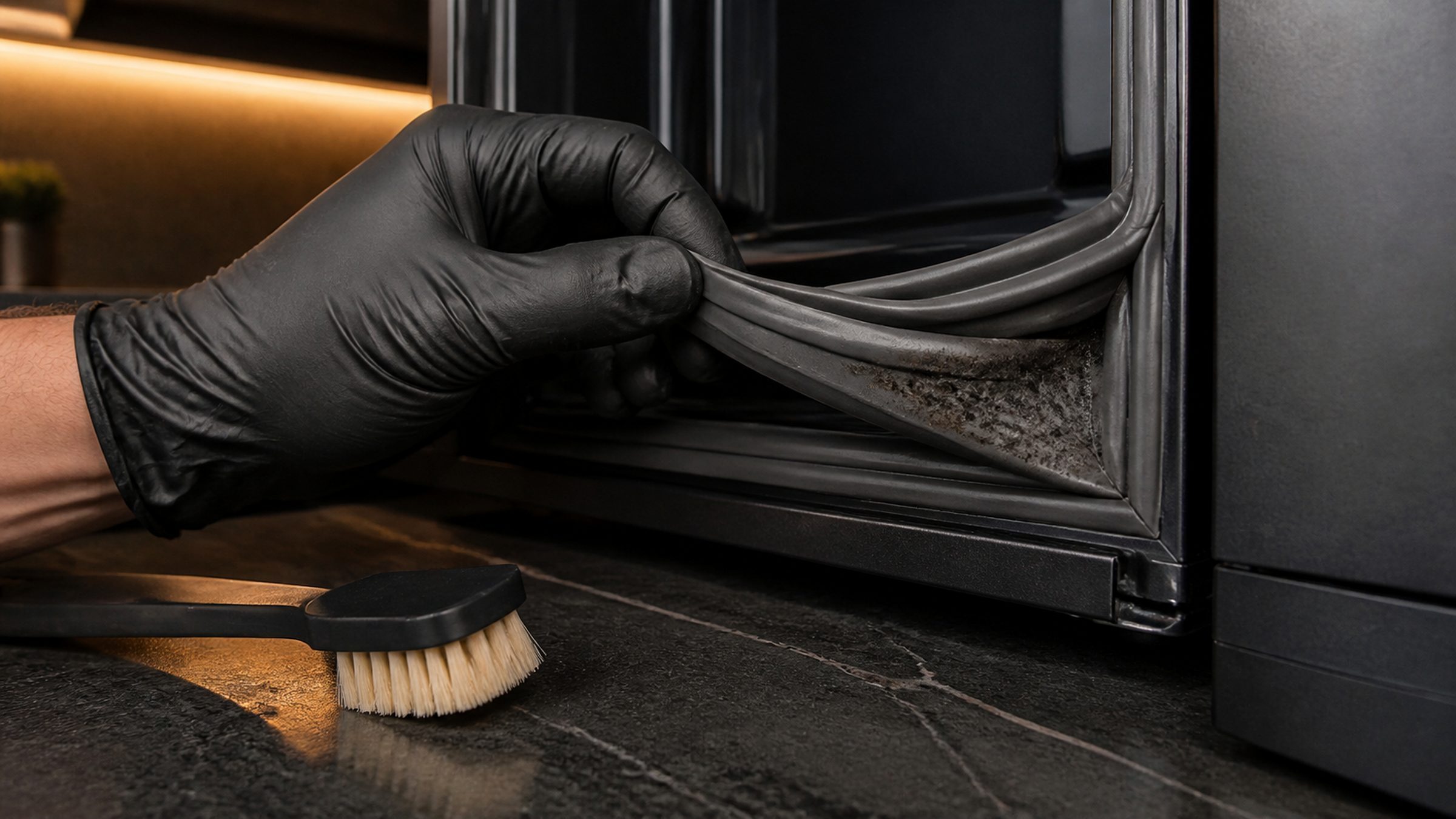
The folds of the gasket, all the way round. Pull them gently open and wipe underneath.
Together these two take three minutes and they are the difference between a cleaning cycle that works and one that runs for two hours and changes nothing.
The same story on a front-load washer
A front-loader has a heavy rubber boot around the door, and it holds water in its folds by design — it is a seal, not a drain. Add a house that never dries out, a door closed after every load, and cold washes that never get hot enough to help, and the result is the smell people blame on the machine.
Clean the boot the same way: fold it open, wipe underneath and behind, and pay attention to the bottom of the circle where the water sits. Take the dispenser drawer out and wash it, because softener residue in the drawer is its own small ecosystem. And on machines that have one, clear the drain pump filter behind the little door at the bottom front.
Both builders ask you to do this, in writing
This is the part worth knowing, because it makes the maintenance somebody else's recommendation rather than ours.
A Whirlpool-built 110 shows a Clean Washer reminder after roughly thirty cycles. An LG-built 796 shows a tub clean alarm — and on a narrow display it appears as two characters and then a third, which is why people search for it as two different things.
Neither is an error. Neither means anything has gone wrong. Both are the manufacturer telling you the interval has come round, and both are ignored by almost everybody who sees them.
Why this climate makes it a maintenance page rather than a curiosity
In a dry climate a machine left closed dries out between loads and the problem never establishes itself. Here it does not dry out. The air in the laundry room is carrying moisture of its own, the seal stays damp from Monday to Wednesday, and by the time anybody notices a smell there is a film on every surface that water touches.
That is also why the ending matters more than the cleaning. Leave the door ajar. On the dishwasher, on the washer, every time. It is the single free habit on this site, and it is the one that stops you needing the rest of this page again.
When it is not just a smell any more
A gasket that has been wet for years hardens and stops sealing. On a dishwasher that shows up as water on the kitchen floor at the front. On a washer it shows up as a leak from the bottom of the door during the wash, and it is a repair rather than a clean.
If you are wiping a seal that feels stiff and glazed rather than soft and slightly tacky, the cleaning has come too late for that part — and that is worth knowing before it lets go with a full drum.
If it turns out to be a repair
What this leads to, and what it costs
Every job on this site is priced the same way: an on-site diagnostic first, the figure agreed in writing before anybody starts.
-
Whirlpool-built Kenmore washer signal CL
CL is an indicator rather than an error. Whirlpool publishes it for the washer this badge covers, and it means: A reminder that the Clean Washer cycle is due — it appears after about thirty cycles. Where it shows as rL, the
What the machine is telling you -
LG-built Kenmore washer signal tcL
tcL is an indicator rather than an error. LG publishes it for the washer this badge covers, and it means: LG's own label is TUB CLEAN ALARM — a reminder rather than a problem. LG notes that on a narrow display the
What the machine is telling you -
Door seal replacement
A gasket that has hardened, torn or stopped pulling the door shut. In a humid house this is not cosmetic: every hour a refrigerator seal leaks is an hour the defrost circuit spends clearing ice it should never have made, and on a front-load washer a tired gasket is where the smell complaints begin.
- Tested with paper rather than judged by eye
- The hinge and the alignment checked with it
- A seal is preventive work on this coast
Questions people ask about this
Does bleach fix it?
It kills what is there and does not remove what is feeding it. Take the filter out and clean the gasket first; then a cleaning cycle has something to work with.
Is the smell dangerous?
Unpleasant rather than dangerous, in almost every case. What it does predict is a gasket that hardens early, and a hardened gasket on a washer becomes a leak.
Why is this worse here than where I used to live?
Because the air in the house does not dry things out. A machine closed on a wet seal in a humid room stays wet until the next load, which is the whole mechanism.
The reminder came on and I have not run the cycle. Is that bad?
It is a reminder, not an error. Nothing is wrong with the machine. It is also the cheapest maintenance either manufacturer asks of you.
Maintenance & Prevention
More guides like this one
-
The Water Filter Light Counts Days, Not Water
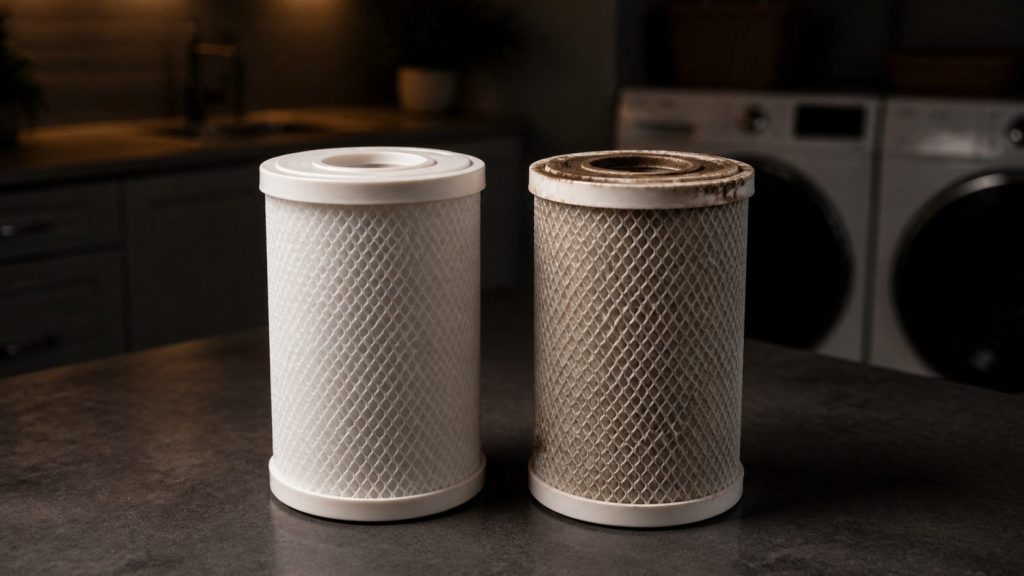
The light is a calendar. It has no idea what has gone through the cartridge, which matters here more than it does in most places.
Read more -
Why a Kenmore Part Number Will Not Always Find You the Part
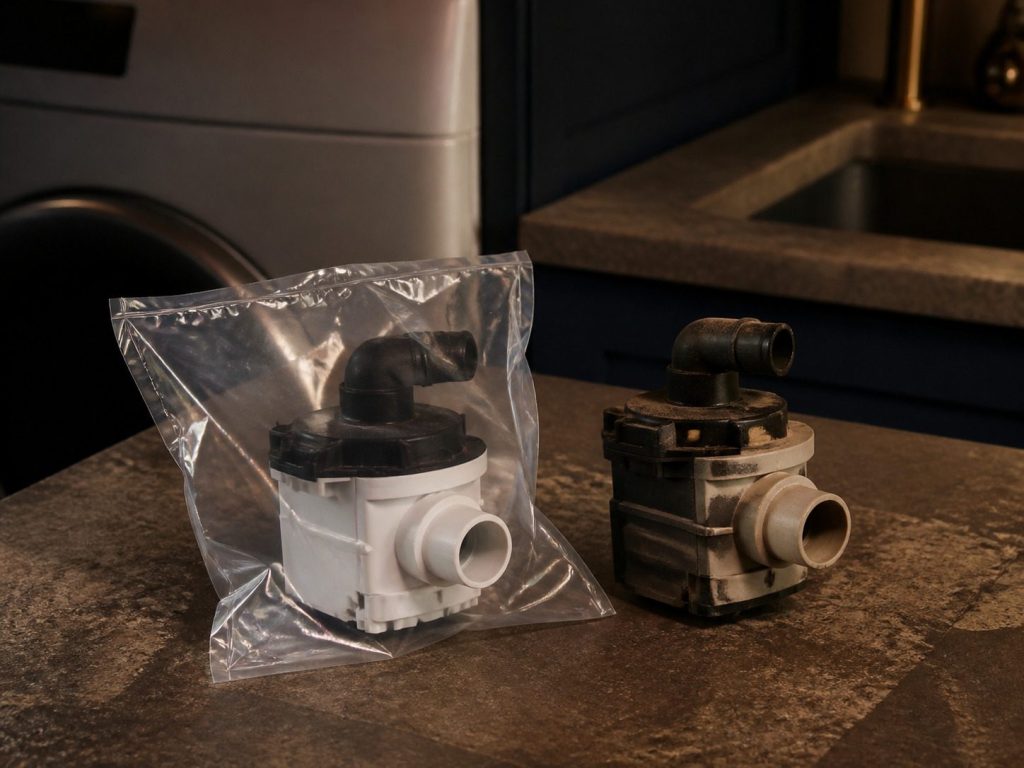
The component in your appliance is catalogued by the company that built it, under that company's number. A search that returns nothing usually means superseded, not gone.
Read more -
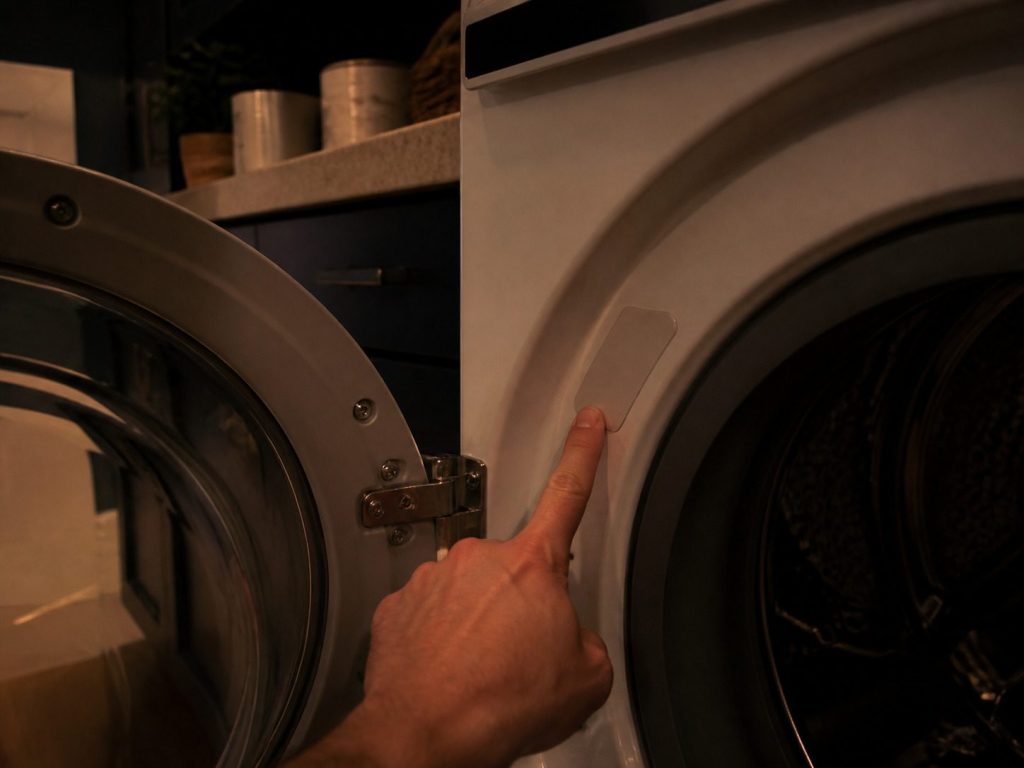
Where the Rating Plate Hides on Each Kenmore Appliance
Six appliances, six hiding places, and what to do when the sticker has worn away. This is the first step of every other job on this site.
Read more
Tell us the model number and what it is doing.
This article is based on:
- Official manufacturer documentation
- Internal repair procedures
- Technician repair history
- Company quality standards