Maintenance & Prevention
The Water Filter Light Counts Days, Not Water
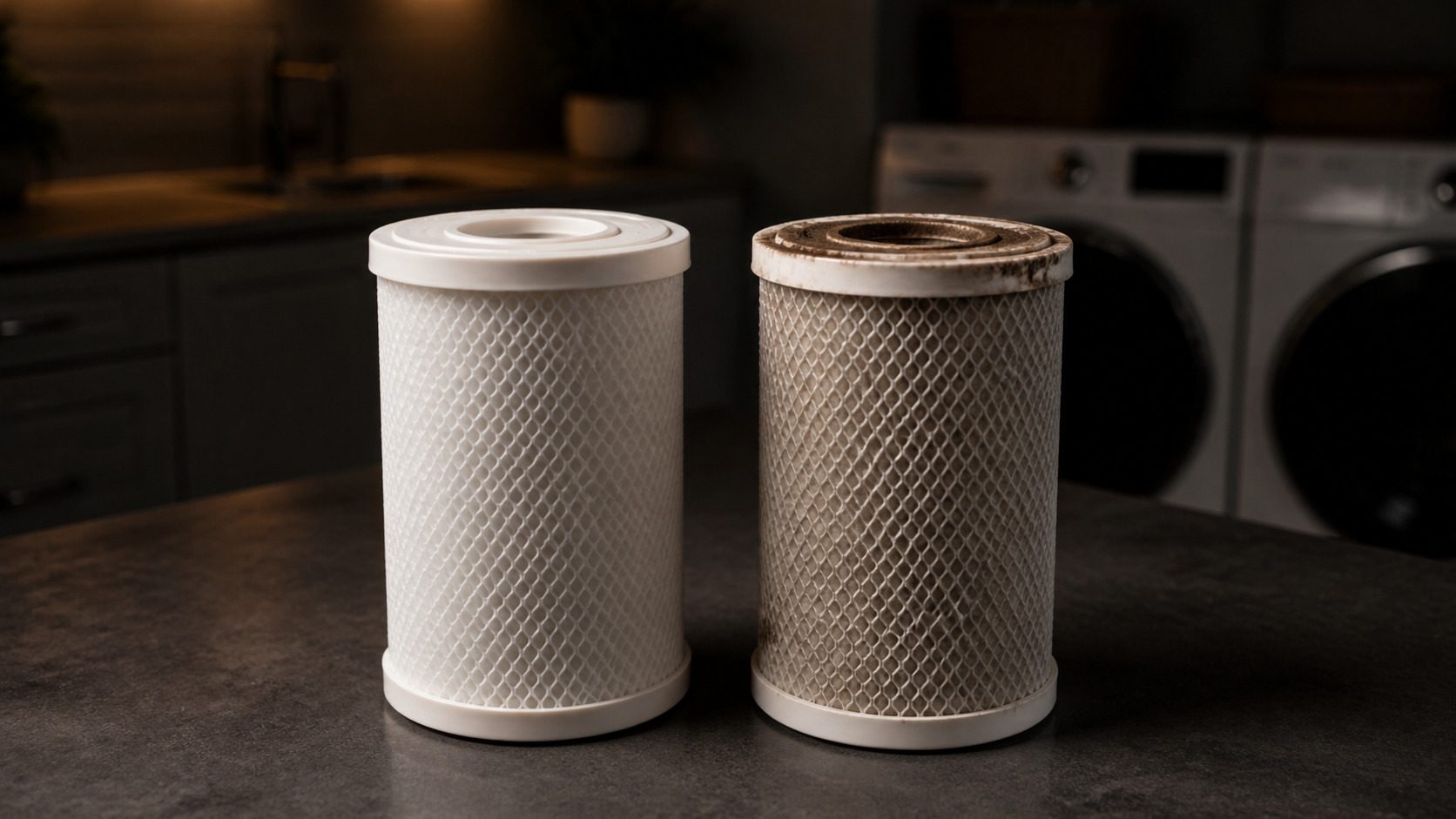
To reset a Kenmore refrigerator water filter light, hold the filter or reset button on the dispenser panel for about three seconds until the indicator clears; on some cabinets the control is inside the fresh-food compartment rather than on the door. Changing the cartridge does not clear it by itself, because the light is a timer rather than a measurement — it counts roughly six months and knows nothing about how much water has passed through or what was in it. That distinction matters on South Florida water, which is hard: a household using a great deal of dispenser water or ice can exhaust a cartridge before the light asks, and a household that barely uses either can leave one in far too long, where it becomes a restriction rather than a filter.
The full guide
How to reset Kenmore refrigerator water filter light, and why it is only a timer
The reset itself takes three seconds: hold the filter button on the dispenser panel until the light goes out. On cabinets without a button on the door, the same control is on the panel inside the fresh-food compartment.
The reason it needs its own instruction is that fitting a new cartridge does not clear the light. There is no sensor watching the filter. The indicator is a counter that starts when you reset it and runs for roughly six months, and it has no idea whether you have drawn two gallons through the cartridge or two hundred.
Why a calendar is the wrong unit here
In a house that uses the dispenser occasionally, six months is generous and the cartridge is still working when the light comes on.
In a house that runs the ice maker hard through a South Florida summer — and most do — the same cartridge is passing several times as much water, through a supply with a real mineral load in it. The filter is exhausted well before the calendar says so, and the first sign is not a warning but a change: the water tastes ordinary again, the flow at the dispenser slows, and the ice comes out cloudier than it used to.
The opposite case is worse and commoner. A cartridge left in for two years does not politely stop working. It becomes a restriction: slow dispensing, an ice maker that produces thin, hollow cubes because it is not filling completely, and a supply valve working against a resistance it was not designed for.
The two filters people confuse
Several of these cabinets have a second cartridge, and it is not a spare.
The water filter treats what goes to the dispenser and the ice maker, and runs on about a six-month interval.
The air cartridge sits inside the fresh-food compartment, reduces odors and slows ripening, and runs on about a twelve-month interval.
They have separate indicators. This is why somebody changes the water filter, resets it, and finds a light still showing — and concludes the reset did not work when in fact it worked perfectly on the other filter.
What hard water is doing everywhere else
The filter is the only place most people think about water quality, and it is the least important of three.
The dishwasher takes unfiltered water, and mineral lands on the heating element, in the spray-arm jets and on the seals. That is what cloudy glassware is telling you, and it is a maintenance question rather than a detergent question.
The ice maker produces cloudier, softer ice as mineral concentrates, and the mold accumulates a deposit that eventually affects release.
The washer runs mineral through its heater and its valves for its whole life.
None of that is a reason for alarm and all of it is a reason the intervals printed in a manual — written for average water — are the wrong intervals for this address. Everything here runs shorter.
The practical schedule
Water filter every six months, or sooner if the ice maker is working hard through the summer. Air cartridge annually. Dishwasher descaled on a schedule rather than when the glasses have already gone cloudy. Ice machine cleaned to the manufacturer's own interval, which for most is more often than anybody does it.
That is the whole maintenance page, and it is cheaper than any single item on the repair list it prevents.
If it turns out to be a repair
What this leads to, and what it costs
Every job on this site is priced the same way: an on-site diagnostic first, the figure agreed in writing before anybody starts.
-
from $115 Water dispenser and filter service
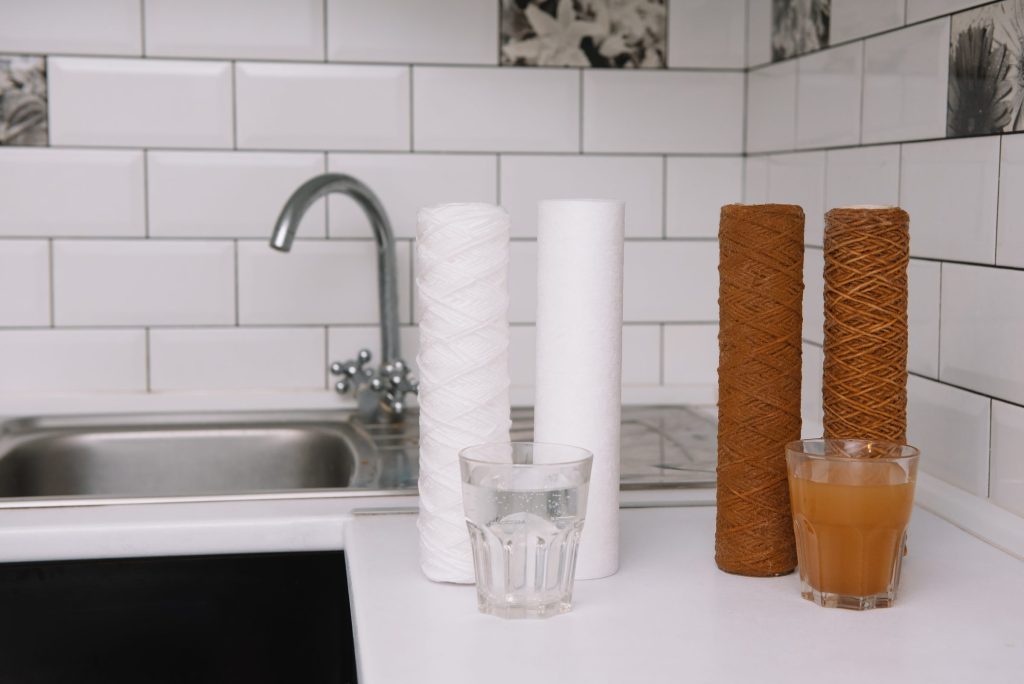
Slow water, no water, or a dispenser that has started dribbling. Cartridges here give up sooner than the calendar on the box suggests, and a good number of these calls finish with a fresh filter and a flushed line rather than a component.
- The filter and the line before the valve
- Local water shortens every published interval
- The line inside the door checked, not assumed
-
from $155 Ice machine cleaning and descaling
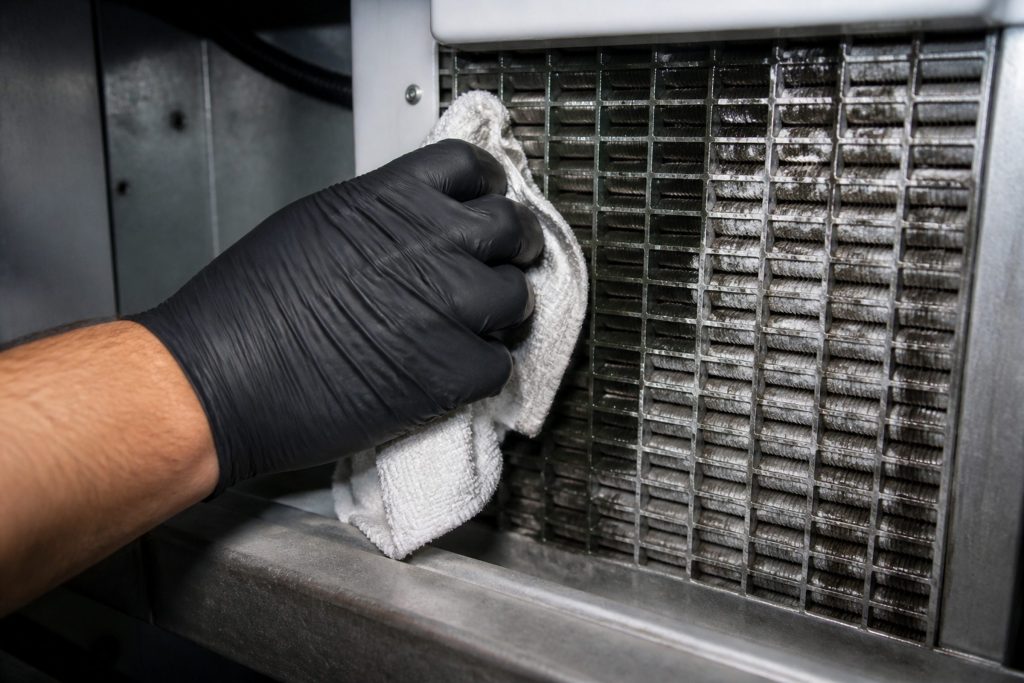
The service that keeps a standalone ice machine alive in South Florida. Mineral collects on exactly the surfaces the machine depends on, output falls month by month without the machine ever stopping, and the interval printed in the manual assumes gentler water than we have.
- Output measured before and after
- The maker's own cleaner, on the maker's own cycle
- The cheapest service here and the most preventive
-
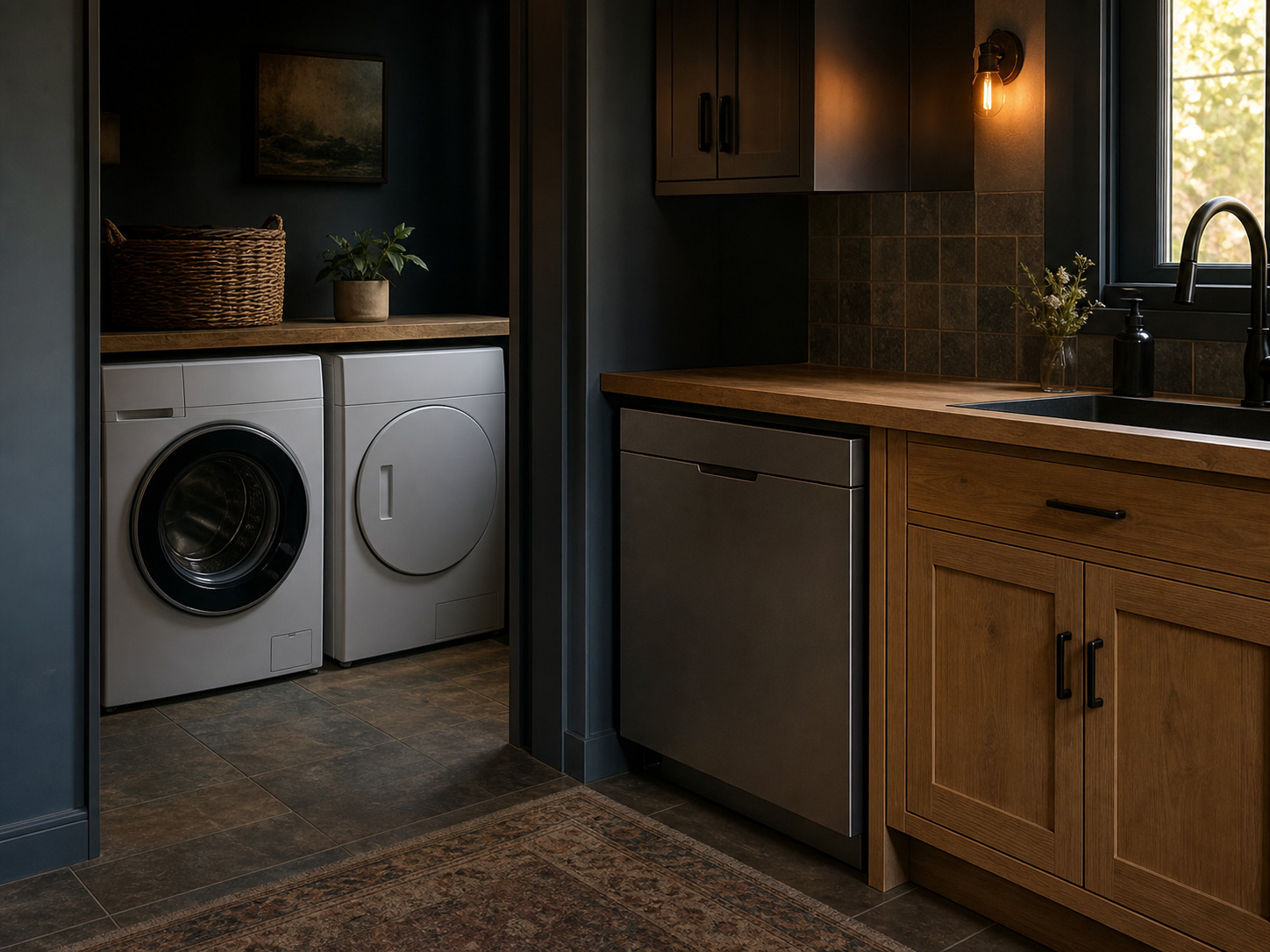
Standalone and undercounter · a machine of its own Ice makers
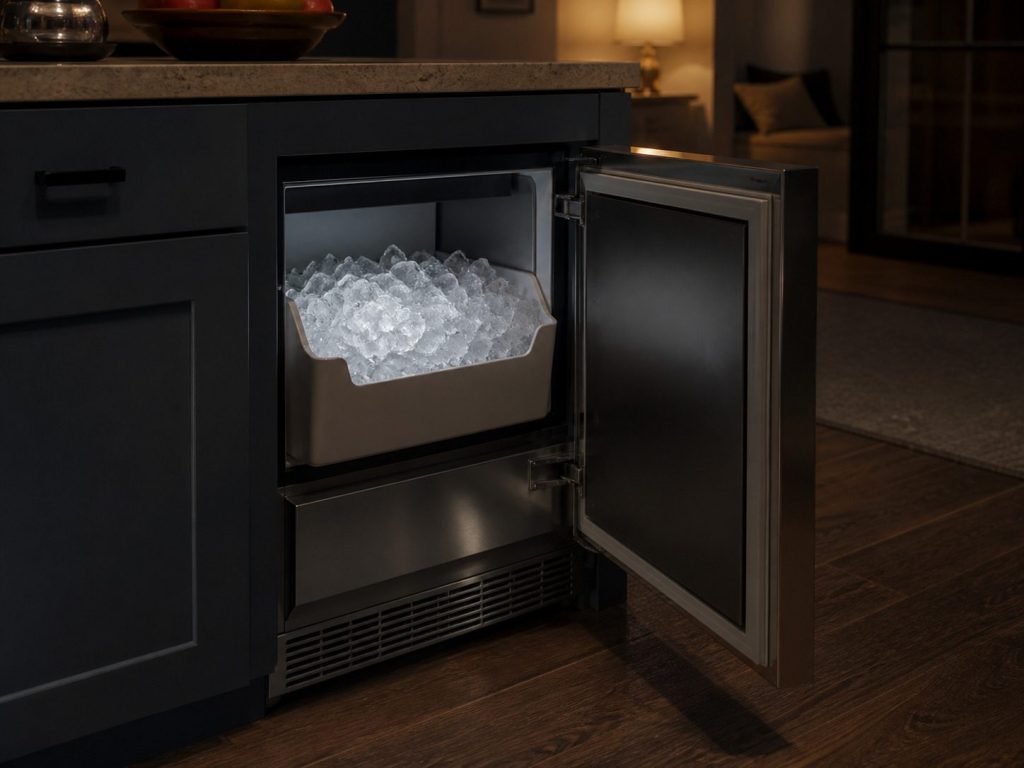
Standalone and undercounter ice makers, which are a separate appliance from the ice maker built into a refrigerator door. They have their own compressor, their own water path and their own harvest mechanism, and they are designed to run continuously rather than in the background. In South Florida that means they run almost every hour of the year, on water that is hard enough to change how they behave within months.
- A machine in its own right, not a refrigerator part
- Mineral buildup is the common ending here
- Which stage the cycle stops at is the diagnosis
Questions people ask about this
I changed the filter and the light stayed on.
Expected. The counter is reset by the button, not by the cartridge. Hold it for about three seconds until the indicator goes out.
Can I run the refrigerator with no filter at all?
Most cabinets take a bypass plug for exactly that, and the dispenser then delivers unfiltered water. Running with the housing empty and no plug is what causes leaks.
Is the second light a different filter?
On several of these cabinets, yes — an air cartridge inside the compartment on a longer interval, which is why people change the water filter and find a light still showing.
Does a filter improve the ice?
It improves the water going into the ice. Ice also absorbs whatever is in the freezer, so a cartridge will not fix a taste that comes from an open box of something strong.
Maintenance & Prevention
More guides like this one
-
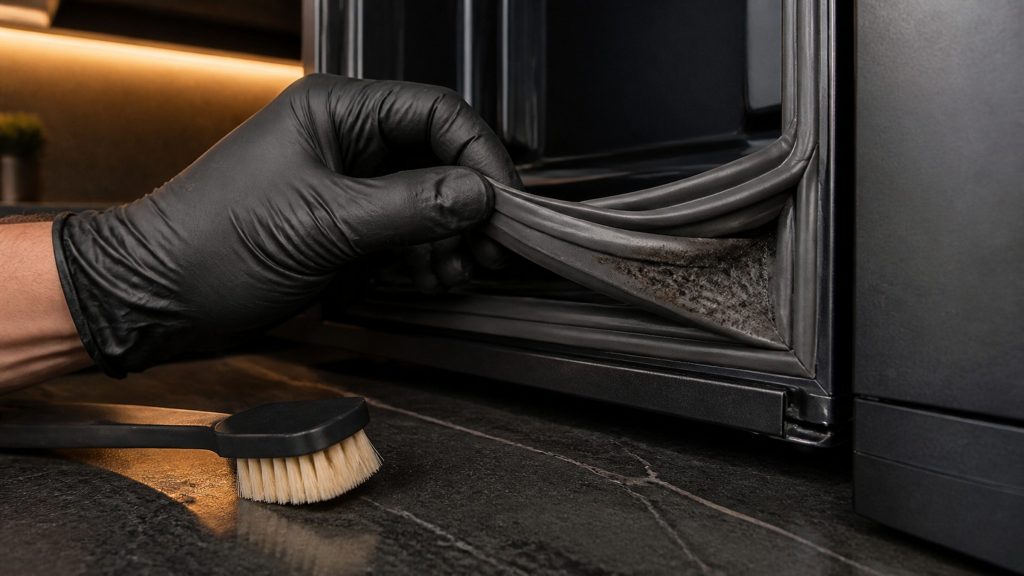
The Smell in a Kenmore Washer or Dishwasher Is Water That Never Dried
One cause, two machines, and a house that never really dries out. Both builders publish a cleaning reminder for it, and almost nobody runs the cycle.
Read more -
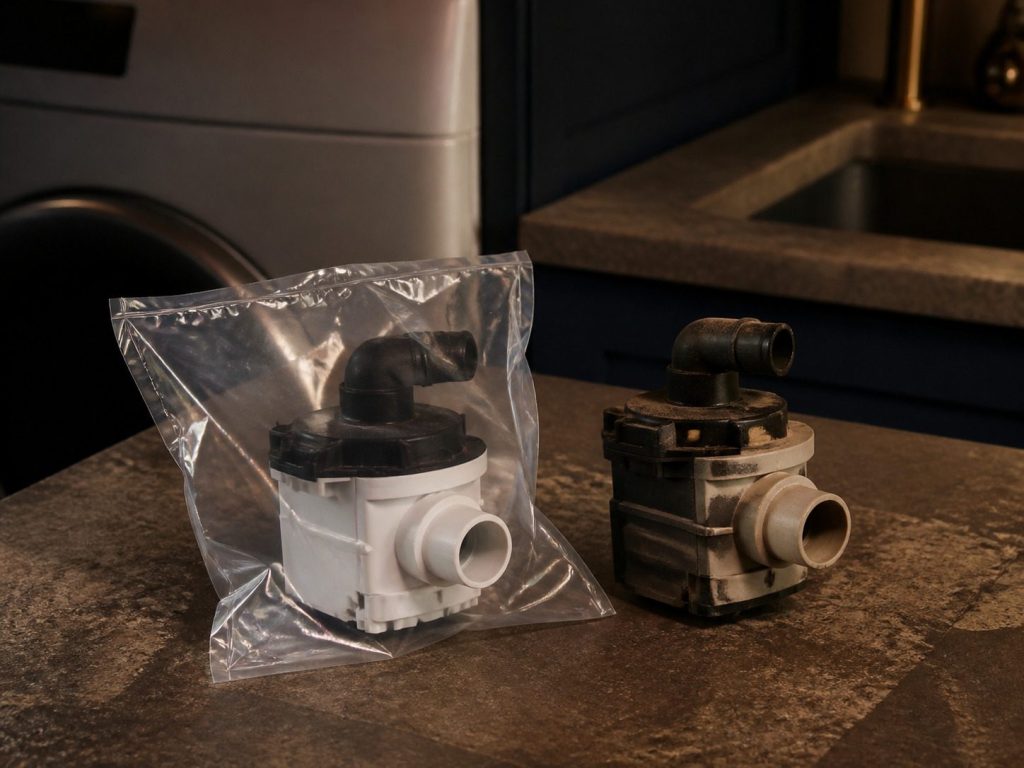
Why a Kenmore Part Number Will Not Always Find You the Part
The component in your appliance is catalogued by the company that built it, under that company's number. A search that returns nothing usually means superseded, not gone.
Read more -
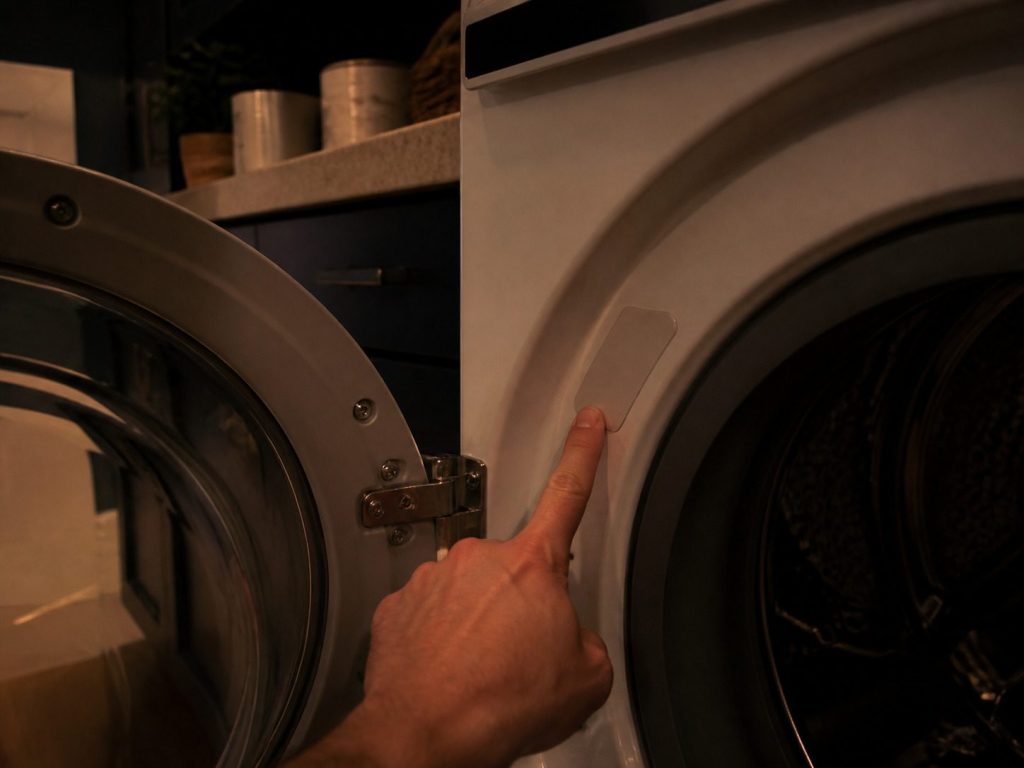
Where the Rating Plate Hides on Each Kenmore Appliance
Six appliances, six hiding places, and what to do when the sticker has worn away. This is the first step of every other job on this site.
Read more
Tell us the model number and what it is doing.
This article is based on:
- Official manufacturer documentation
- Internal repair procedures
- Technician repair history
- Company quality standards