
Common Problems
Cloudy Glasses From a Kenmore Dishwasher: Film, Etching or Scale
Put a cloudy glass in a bowl of white vinegar for five minutes. If it comes out clear, the haze is mineral film and it is reversible — the cause is hard water, a machine that never gets hot enough, or scale in the spray-arm jets and on the heating element. If the glass is unchanged, the surface has been etched, which is permanent damage from a combination of soft water, too much detergent and high heat, and no product will bring it back. Between those two, check the ordinary causes of a Kenmore dishwasher not cleaning: spray arms that cannot turn because a pan handle is in the way, jets blocked with scale, an empty rinse-aid reservoir, and water arriving at the machine cold because nobody ran the tap first.
The full guide
Kenmore dishwasher not cleaning properly: first find out what the haze is
Two completely different problems produce a glass that comes out of the machine looking foggy, and telling them apart decides everything that follows — including whether spending money is worth it at all.
The test. Stand a cloudy glass in a bowl of white vinegar for five minutes and rinse it.
If it comes out clear, the haze was mineral film sitting on the surface. It is reversible, it will come back if nothing changes, and everything below is about changing something.
If it looks exactly the same, the glass is etched. The surface itself has been eaten, microscopically, and there is no product and no repair that brings it back. Etching comes from soft water combined with more detergent than the load needed and a hot cycle — the detergent, having no hardness to work on, works on the glass instead.
If it is film: where the mineral is landing
Cloudy glassware is the visible end of a process happening in three places inside the machine.
On the heating element, where scale acts as insulation. The element works longer to reach the same temperature, the cycle stretches, and the wash never gets as hot as the program intended.
In the spray-arm jets, where it narrows the holes. Narrow holes mean a weaker, more scattered spray, which means less mechanical cleaning, which shows up as patchy results on the top rack first.
On the seals and moving parts, where it holds grit and shortens the life of things that are supposed to slide.
None of that is dramatic and all of it is cumulative. On this county's water it is a maintenance item rather than a curiosity, and the interval printed in a manual written for average water is the wrong interval here.
The four free things, before any product
Turn the spray arms by hand. Both of them, all the way round. A pan handle through the lower rack or a tall item on the top stops an arm dead, and half the load then gets no water at all.
Look at the jets. Hold an arm up to the light. Blocked holes are visible, and a cocktail stick clears them.
Fill the rinse aid. It is not a luxury: it changes how water leaves the surface, and a machine with an empty reservoir leaves droplets that dry into exactly the spots being complained about.
Run the kitchen tap until it is hot before starting the cycle. The machine draws whatever is standing in the pipe. Start with a tank of cold and the first wash is wasted heating it.
Then the loading, which nobody wants to hear
Bowls that nest hide each other. Tall items on the top rack block the upper arm. A cutlery basket packed handles-up so tightly that nothing reaches the middle. And rinsing plates spotlessly under the tap before loading, which sounds thorough and actually starves modern detergent of the food it needs to work against.
Scrape, do not rinse. Leave gaps. It is free and it changes results more than any product does.
What we do about scale
Descaling to the manufacturer's own procedure, which addresses the element and the jets rather than the visible interior. On a machine that has been on this water for years without one, the difference in the first cycle afterwards is usually obvious.
Where the wash is still poor once the machine is clean, the questions are water temperature at the appliance, the spray arms themselves, and whether the wash pump is delivering the pressure it should. That is a measurement, and it is the point at which this stops being a maintenance page.
If it turns out to be a repair
What this leads to, and what it costs
Every job on this site is priced the same way: an on-site diagnostic first, the figure agreed in writing before anybody starts.
-
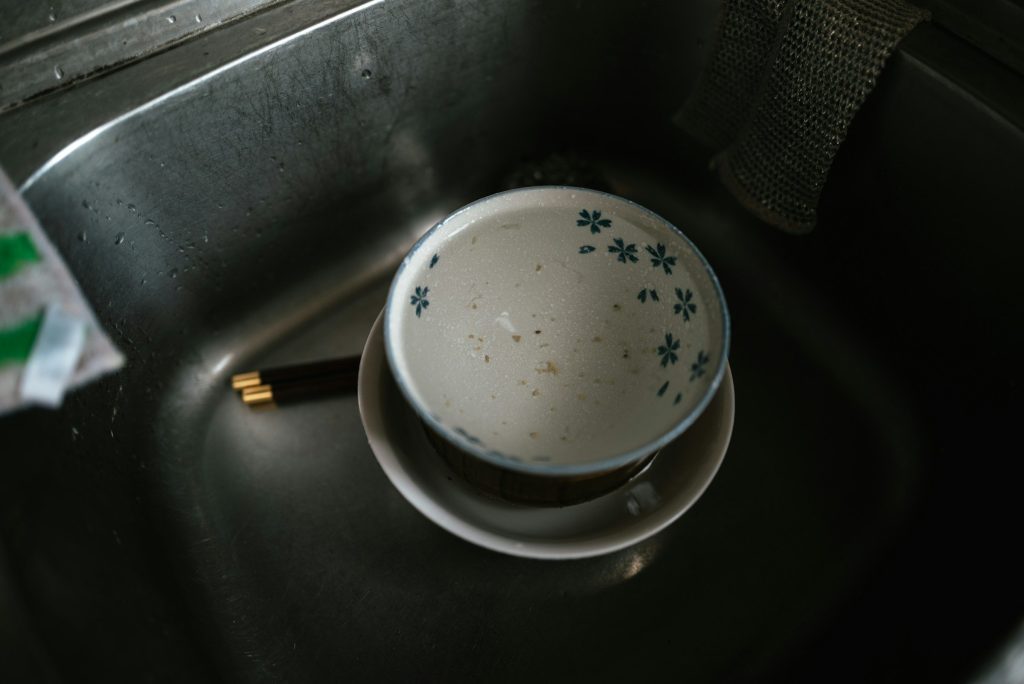
A full cycle later and the load comes out dirty Dishwasher not cleaning
On South Florida water a good share of these are chemistry and temperature rather than a failed component. The useful distinction is what is left on the dishes: grit is one story, film is a completely different one, and they lead to different places.
- Grit and film are two different problems
- Water temperature is measured, not assumed
- Hard water is a real factor here
-
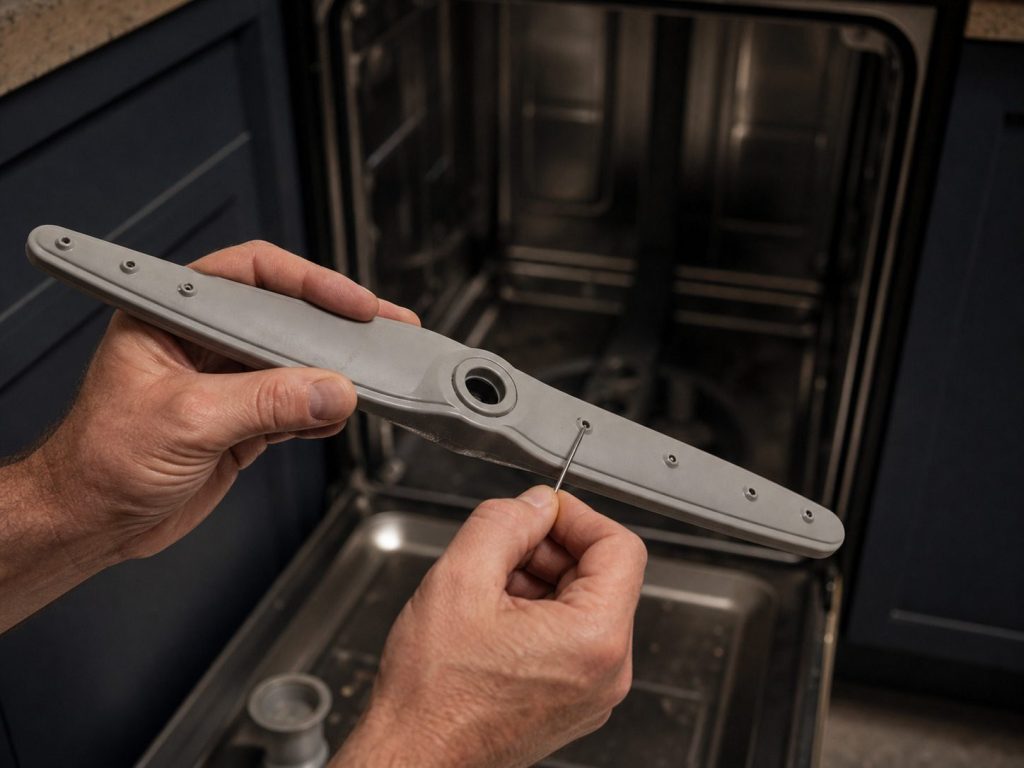
from $125 Dishwasher wash performance service
Dishes coming out gritty, filmed or still wet. A large share of these are water, detergent and loading rather than the machine — and on South Florida water the film complaint in particular is usually chemistry rather than a component.
- Water temperature measured at the machine
- Spray arms and filter before any part
- Hard water addressed as hard water
-
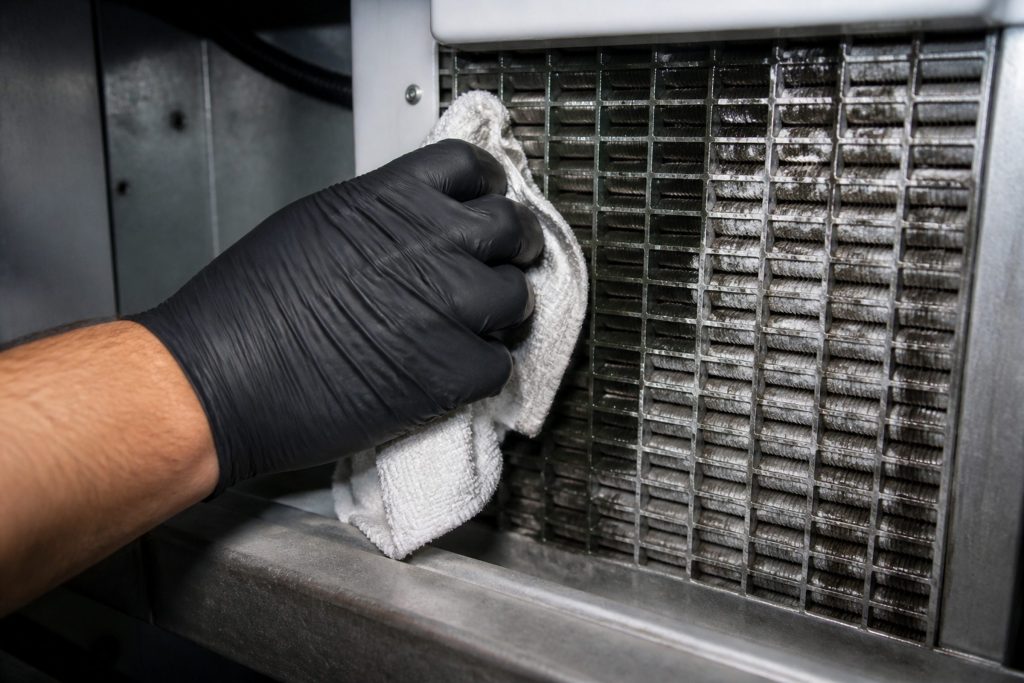
from $155 Ice machine cleaning and descaling
The service that keeps a standalone ice machine alive in South Florida. Mineral collects on exactly the surfaces the machine depends on, output falls month by month without the machine ever stopping, and the interval printed in the manual assumes gentler water than we have.
- Output measured before and after
- The maker's own cleaner, on the maker's own cycle
- The cheapest service here and the most preventive
Questions people ask about this
Is the machine causing the etching?
Not really. It comes from a combination of soft water, more detergent than the load needs and high heat, and once the glass surface has gone there is no repair. The fix is prevention on the glasses you still have.
Do I need the tablets with the salt in them?
On this county's water, something that deals with hardness earns its place. Which product matters less than using rinse aid and keeping the jets clear.
Why run the kitchen tap before starting it?
Because the machine draws whatever is standing in the pipe, and a tank of cold water at the start of a cycle costs it the first wash. Thirty seconds at the tap fixes it.
The dishes come out gritty rather than cloudy.
That is the filter rather than the water. Grit means residue is being recirculated, which means it is not being caught.
Common Problems
More guides like this one
-
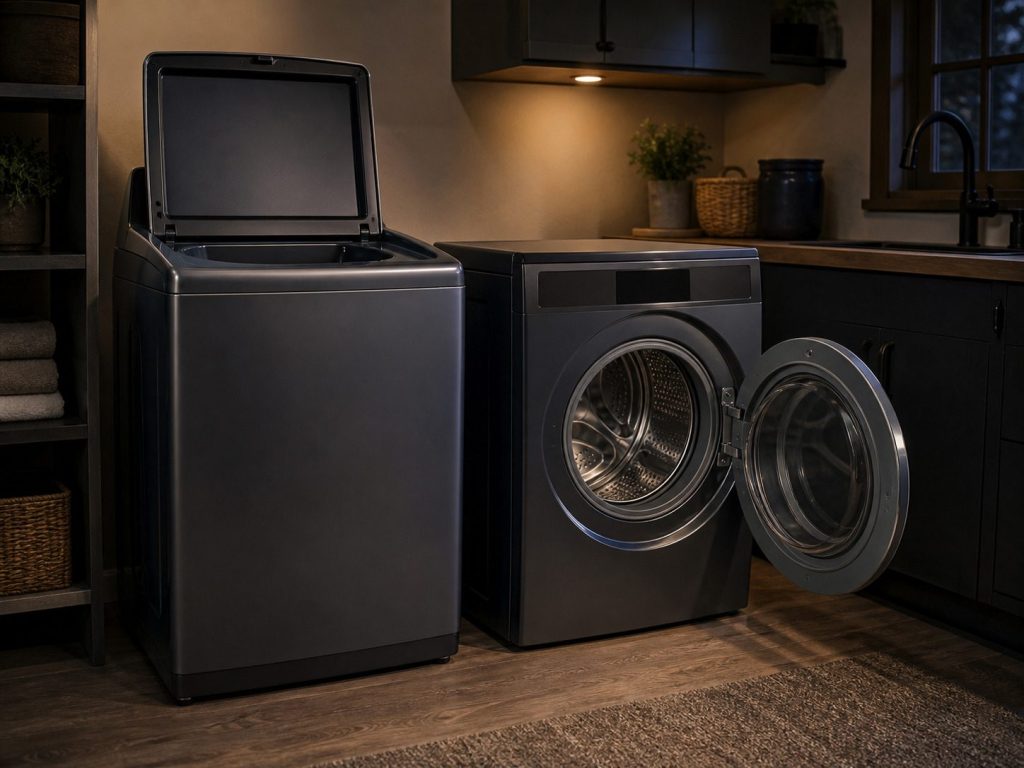
A Kenmore Washer Full of Water: How to Empty It and What to Check
The drum is full, the laundry is soaked, and the machine is not going to help. Here is the order to work in, and where the two machines wearing this badge differ.
Read more -
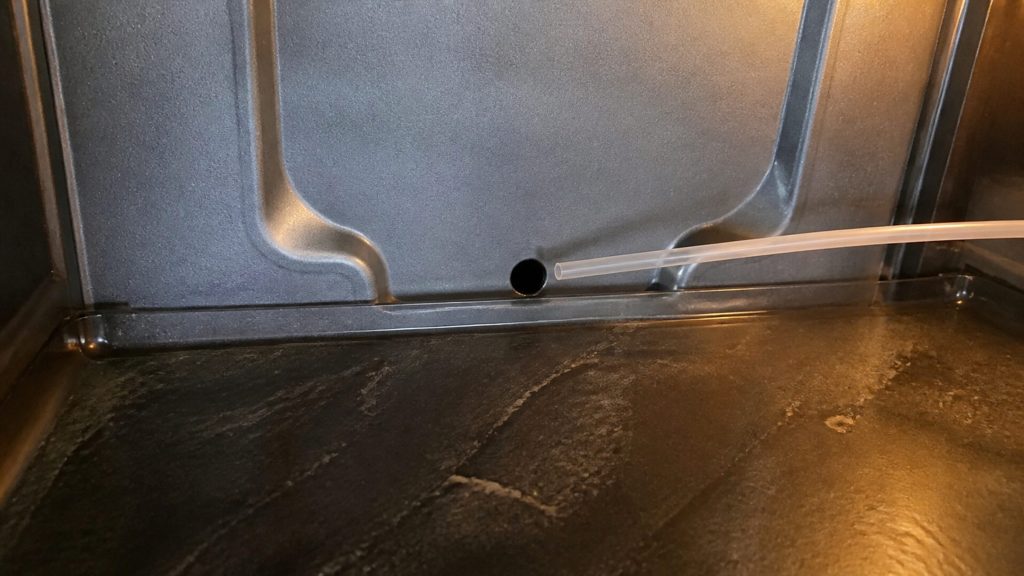
Water in the Bottom of a Kenmore Refrigerator Is Water It Made Itself
A pool under the crispers is almost never a leak. It is melt water the appliance produced on purpose and could not get rid of, and the blockage is in one place.
Read more -
A Kenmore Refrigerator That Is Not Cooling: Three Machines, Three Answers
The same complaint on a 795, a 106 and a 253 points at different things, because they are an LG, a Whirlpool and a Frigidaire wearing one badge.
Read more
Tell us the model number and what it is doing.
This article is based on:
- Official manufacturer documentation
- Internal repair procedures
- Technician repair history
- Company quality standards