Maintenance & Prevention
A Kenmore Freezer in a South Florida Garage: What Actually Happens
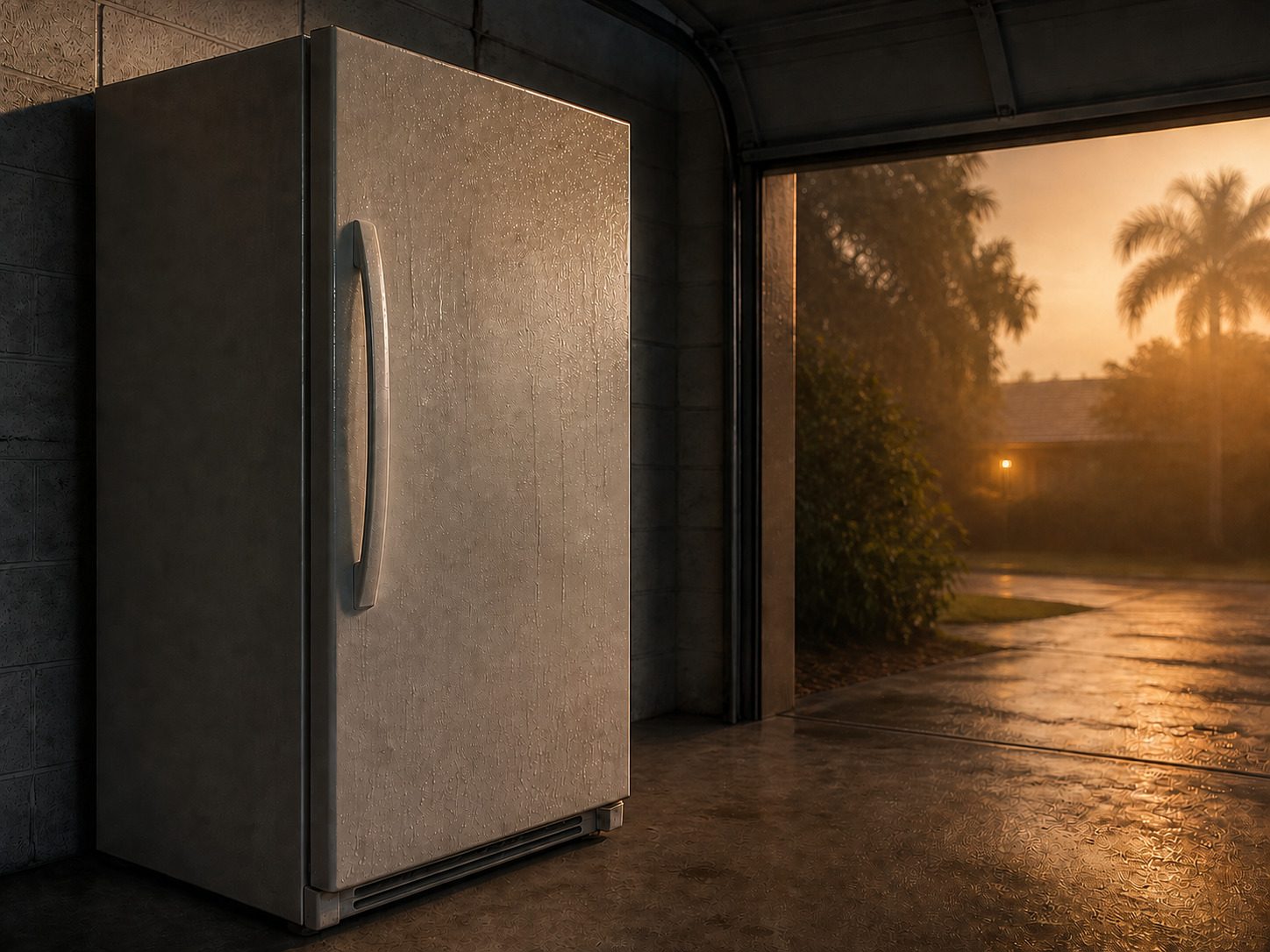
A Kenmore freezer not freezing in a garage is frequently a temperature-range problem rather than a failure. Most domestic freezers are rated to work within an ambient range that a South Florida garage leaves behind every summer afternoon, and above that range the appliance cannot shed enough heat to hold its own temperature no matter how hard it runs. Manufacturers sell garage-ready models specifically for this, and a model that is not one will struggle. Measure before assuming anything: put a thermometer in a small container of cooking oil, leave it overnight, and read it in the morning. Then clear the condenser, give the cabinet clearance on all sides, and keep it as full as you reasonably can, because a full freezer holds its temperature far better than an empty one.
The full guide
Kenmore freezer not freezing: measure it before you condemn it
Half the freezers we are called to in a garage are working. They are simply being asked to do something the manufacturer never designed them for, in a room that reaches temperatures the appliance's own documentation excludes.
So the first thing is a measurement, not an opinion. Put a small container of cooking oil in the freezer with a thermometer in it, leave it overnight, and read it in the morning. Oil rather than water because it does not freeze, so the reading stays honest and does not swing every time the door is opened.
A freezer should sit around zero degrees Fahrenheit. Ten degrees is a freezer that is not doing its job and is also not broken in the way people assume.
What ambient temperature actually does
A freezer works by moving heat out of the cabinet and dumping it into the room. That is the whole machine. The colder the room, the easier it is; the hotter the room, the harder — and past a certain point the appliance simply cannot get rid of the heat fast enough, however long it runs.
Manufacturers state that point as an ambient temperature range, and a domestic freezer designed for a kitchen assumes a kitchen. A closed garage in August, with a west-facing door and a car parked in it an hour ago, is not one. It routinely runs twenty to thirty degrees hotter than the room the appliance was designed for.
Garage-ready models exist precisely because of this, and on some cabinets a manufacturer's kit extends the range of a model that is not. Both are real engineering rather than a marketing word — check the plate and the manual rather than assuming.
Why an upright suffers more than a chest
Cold air falls. Open a chest freezer and most of the cold stays in the box, because there is nothing for it to fall out of. Open an upright and it pours out over your feet.
In a kitchen that difference is small enough to ignore. In a garage at a hundred degrees, where the machine is already at the edge of what it can do, every door opening is a load it may not fully recover from before the next one.
The three free things
Clean the condenser. A garage is a dusty room by definition, and the coil is the part that sheds all the heat this page is about. In a hot room, a coil wrapped in dust is not a small loss — it is the difference between coping and not.
Give it clearance. Air has to move over the coil, so a cabinet wedged between a wall and a shelving unit with boxes on top is fighting itself. Follow the manual's clearances and then be more generous.
Keep it full. A full freezer holds its temperature far better than an empty one, because the frozen contents are themselves a store of cold. Water bottles are fine and free. It also means the compressor runs less to recover from the same door opening.
When it is not the garage
If the cabinet has been out there for years and only started struggling this season, ambient is not the whole story.
Look for frost building on the back wall, which points at the defrost circuit rather than at the room. Look at the door seal, which hardens faster in a hot garage than it ever would in a kitchen. And listen: a compressor running continuously without the cabinet getting colder is a different conversation from one that cycles normally and simply cannot keep up.
Those are the three we test on the visit, and telling us which of them you have noticed shortens it considerably.
The honest advice
If the freezer is a kitchen model living in a garage and it holds temperature nine months of the year, it is probably not worth spending money on the other three. Get the condenser clean, get some air around it, keep it full, and expect it to struggle in the worst weeks.
If it is failing to hold temperature in February, that is a repair, and the room is not the reason.
If it turns out to be a repair
What this leads to, and what it costs
Every job on this site is priced the same way: an on-site diagnostic first, the figure agreed in writing before anybody starts.
-
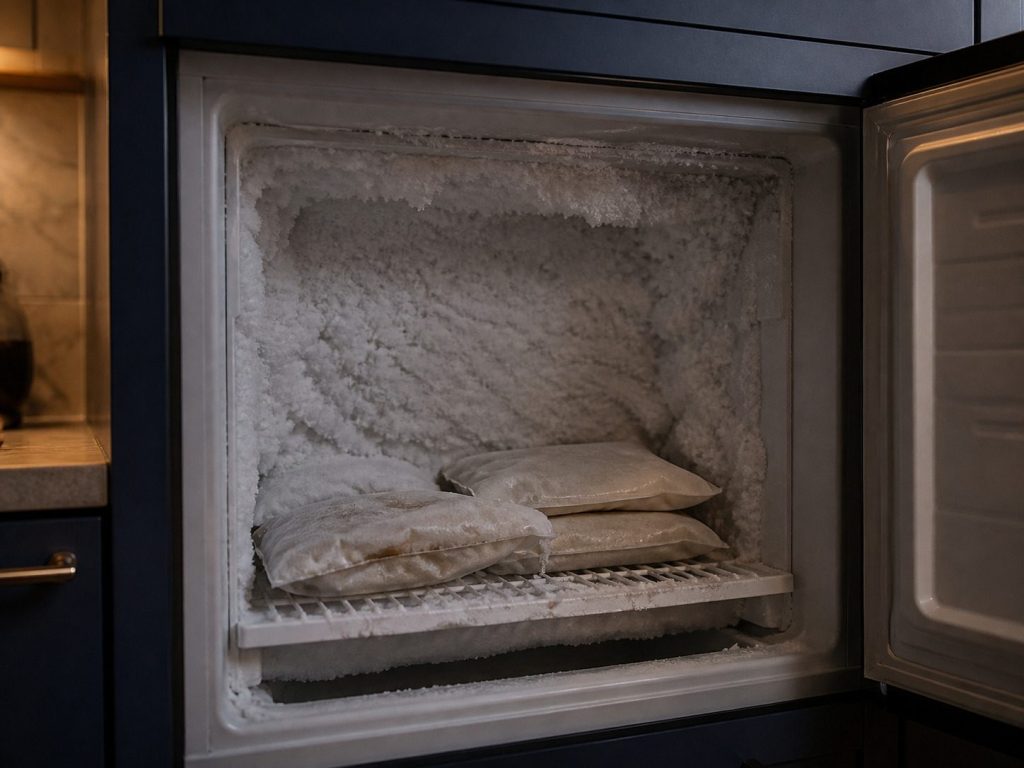
More ice than there should be, and it keeps coming back Frost building up in the freezer
The first question is which kind of freezer you have, because on one of them frost is the design. A manual-defrost chest freezer is supposed to accumulate it; an automatic-defrost upright is not, and on that one the frost is telling you something.
- On a chest freezer this is normal
- On an automatic-defrost cabinet it is not
- Where the frost sits tells you which problem it is
-
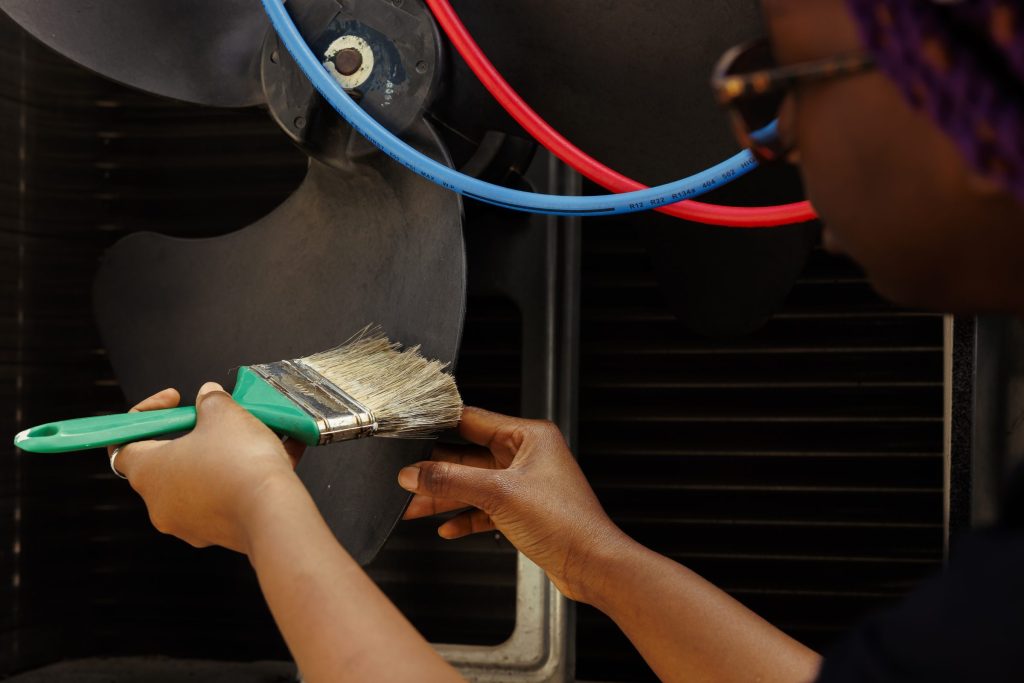
from $125 Condenser cleaning service
The cheapest work on this site and the work that prevents the most expensive. Dust, pet hair and salt air settle on a condenser here until it can no longer give up its heat, and from then on the compressor buys the same cold with more running time — until something in the circuit stops paying.
- Prevents the repair that costs ten times as much
- Salt air and humidity make this a shorter interval here
- Run time measured before and after
-
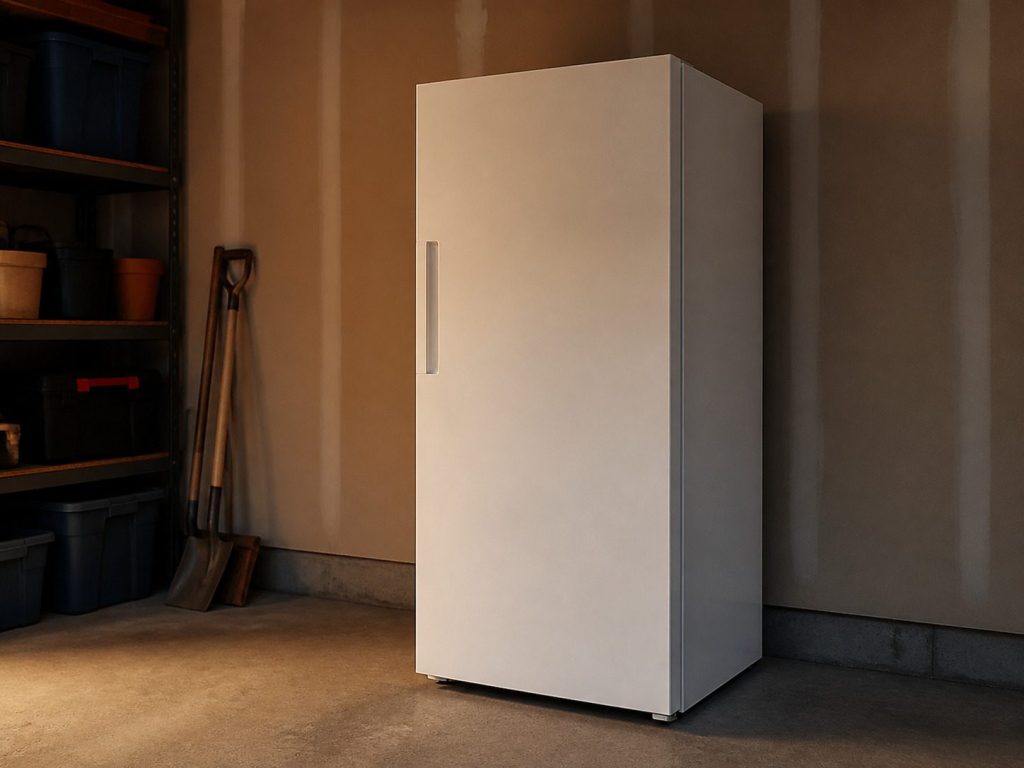
Upright and chest · garage and utility room Freezers
Standalone uprights and chest freezers, most of them Frigidaire-built or Whirlpool-built, and most of them living somewhere hot: a garage, a utility room, a covered porch. That location is half the diagnosis. A freezer asked to hold zero degrees in a garage that reaches ninety-five is working at the edge of what it was designed for, and it fails differently from one in a kitchen.
- 253 is Frigidaire-built, 106 is Whirlpool-built
- Where it lives decides how it fails here
- Manual-defrost chest units have no defrost circuit to blame
Questions people ask about this
How do I know if mine is garage-ready?
The rating plate and the manual state the ambient range the appliance is designed for. Some cabinets take a garage kit to extend it. If neither says anything, assume it was designed for a kitchen.
Is a chest freezer better out there?
Generally yes. Cold air falls, so a chest keeps most of it when you open the lid, where an upright pours it onto the floor. In a hot garage that difference compounds every time somebody looks for the ice cream.
It freezes in winter and not in August.
That is the ambient story exactly, and it is diagnostic. An appliance with a genuine mechanical problem does not usually keep office hours.
Will running it colder help?
It makes the compressor run more and sheds no extra heat, so mostly it costs electricity. Clearance and a clean condenser do more than the dial.
Maintenance & Prevention
More guides like this one
-
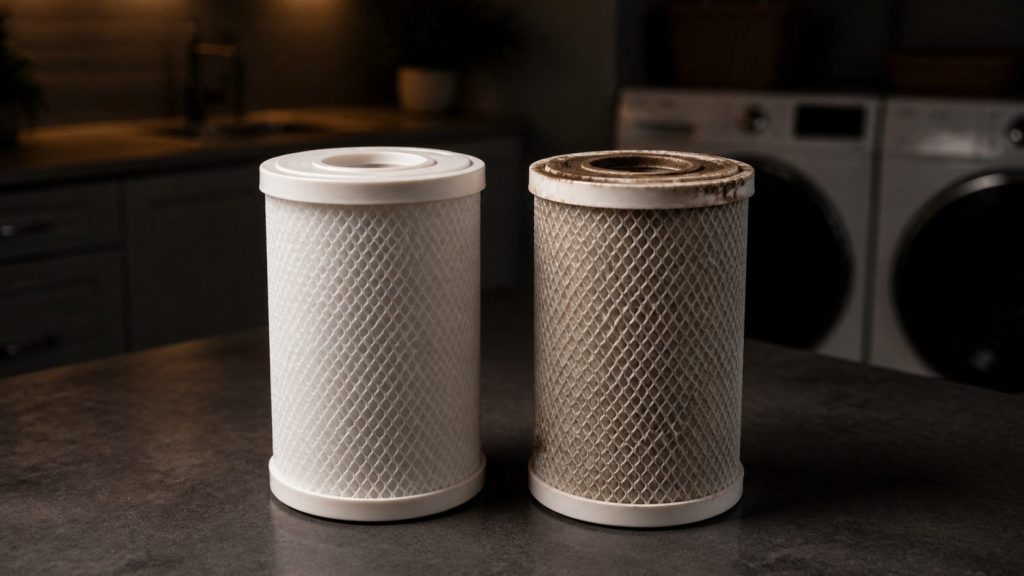
The Water Filter Light Counts Days, Not Water
The light is a calendar. It has no idea what has gone through the cartridge, which matters here more than it does in most places.
Read more -
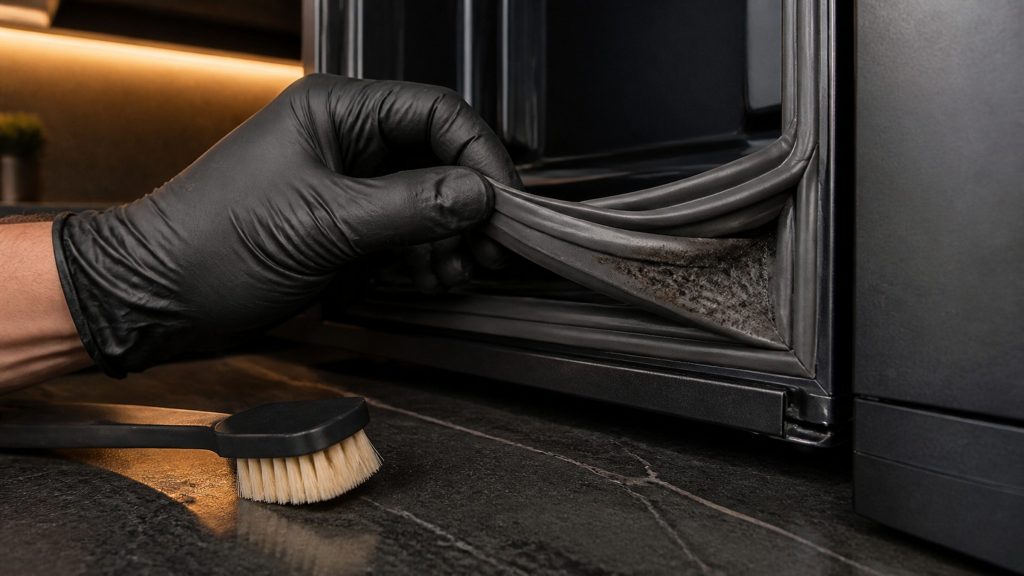
The Smell in a Kenmore Washer or Dishwasher Is Water That Never Dried
One cause, two machines, and a house that never really dries out. Both builders publish a cleaning reminder for it, and almost nobody runs the cycle.
Read more -
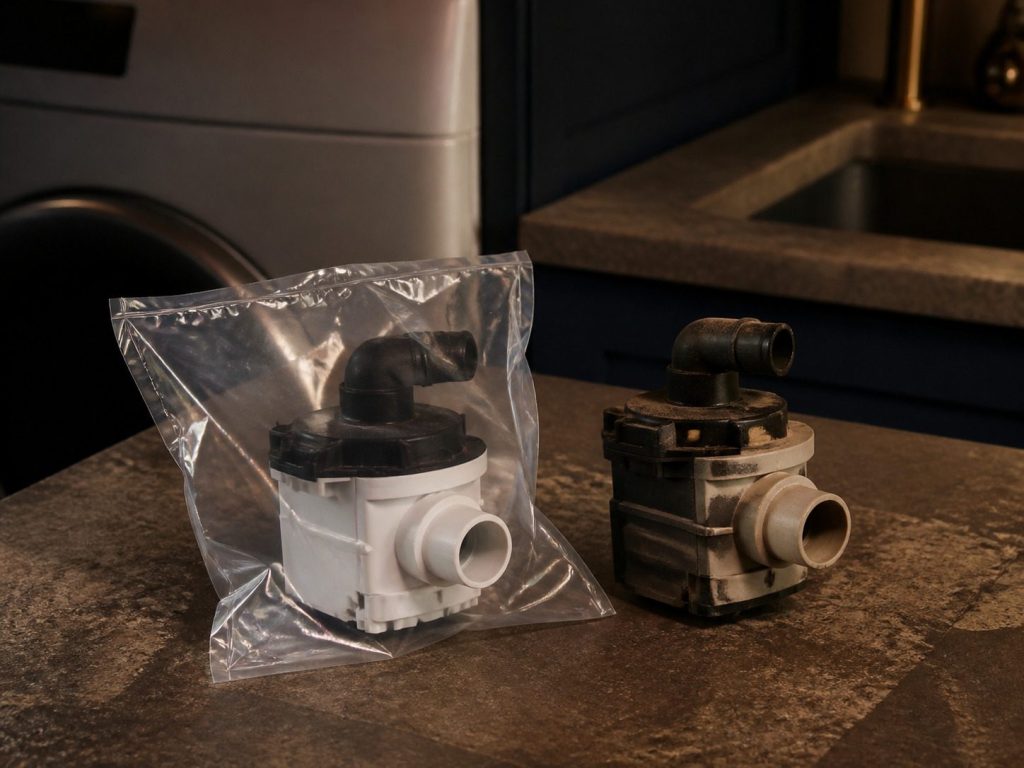
Why a Kenmore Part Number Will Not Always Find You the Part
The component in your appliance is catalogued by the company that built it, under that company's number. A search that returns nothing usually means superseded, not gone.
Read more
Tell us the model number and what it is doing.
This article is based on:
- Official manufacturer documentation
- Internal repair procedures
- Technician repair history
- Company quality standards