Common Problems
A Kenmore Range Hood That Runs and Does Not Pull
Before diagnosing a Kenmore range hood that is not pulling air, find out whether it is ducted or recirculating, because that single fact decides everything else. A ducted hood sends air outside and has metal grease filters only. A recirculating hood filters the air and returns it to the kitchen, and has a charcoal filter as well as the grease filter — and a charcoal filter that has never been changed is the commonest reason a hood runs loudly and moves almost nothing. Then check the grease filters, which wash in hot water with a degreasing detergent, and the duct run itself if there is one. No manufacturer publishes an error-code table for range hoods, so a hood tells you nothing and everything on this list has to be found by looking.
The full guide
Kenmore range hood not working: ducted or recirculating first
This is the appliance most often described as broken when it is doing exactly what it was installed to do.
A hood either sends its air outside, through a duct, or filters it and returns it to the kitchen. That single choice, made when the kitchen was fitted, decides which filters the appliance has, how much it can realistically achieve, and what it means when it stops seeming to work.
To find out which you have, look above the hood. A duct disappearing into the cabinet or through the wall means ducted. A cabinet with nothing in it, and warm air coming back into the room through a grille at the top of the hood, means recirculating.
If it recirculates: the filter nobody knows about
A recirculating hood has two filters, and only one of them is obvious.
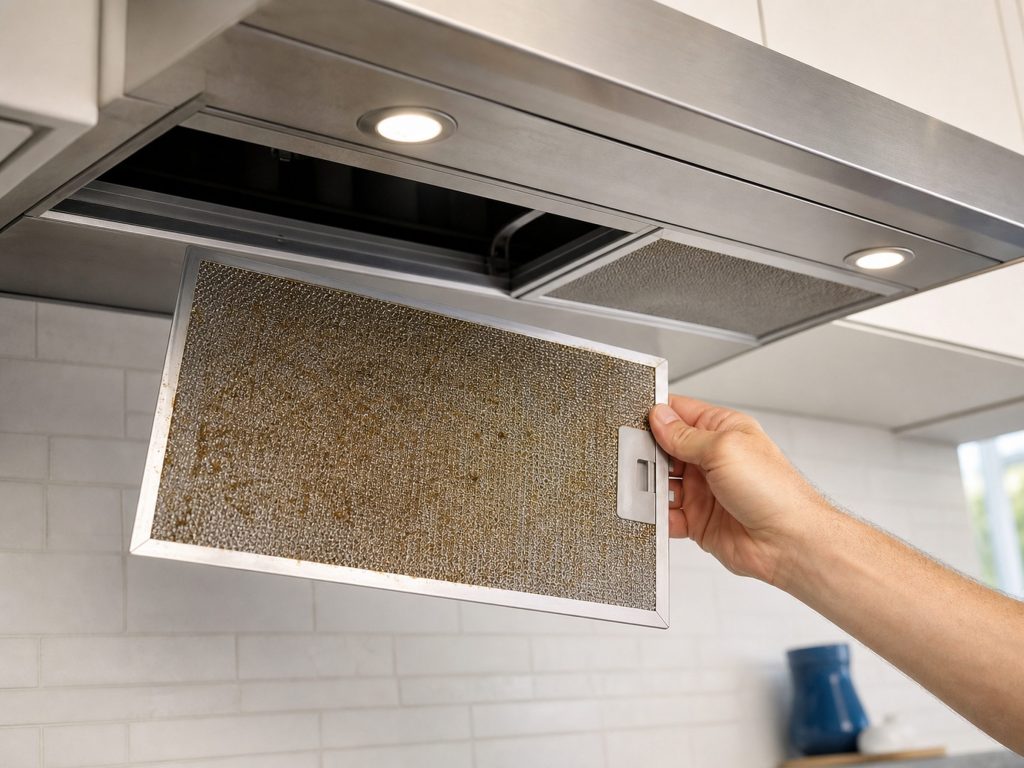
The metal grease filter is the mesh or baffle panel you can see. It washes in hot water with a degreasing detergent, and most people have found it.
The charcoal filter sits behind or above it, and it is what removes smells rather than grease. It is a consumable — it is replaced, never washed — on an interval of somewhere around six months to a year depending on how much cooking the kitchen does.
A charcoal filter that has been in place since the kitchen was built is a solid block of resistance. The fan runs, the motor works hard, the hood is loud, and almost no air moves. This is by a distance the commonest reason a recirculating hood stops seeming to pull, and it is a part rather than a repair.
If it is ducted: the run matters more than the hood
A ducted hood has metal grease filters only and no charcoal.
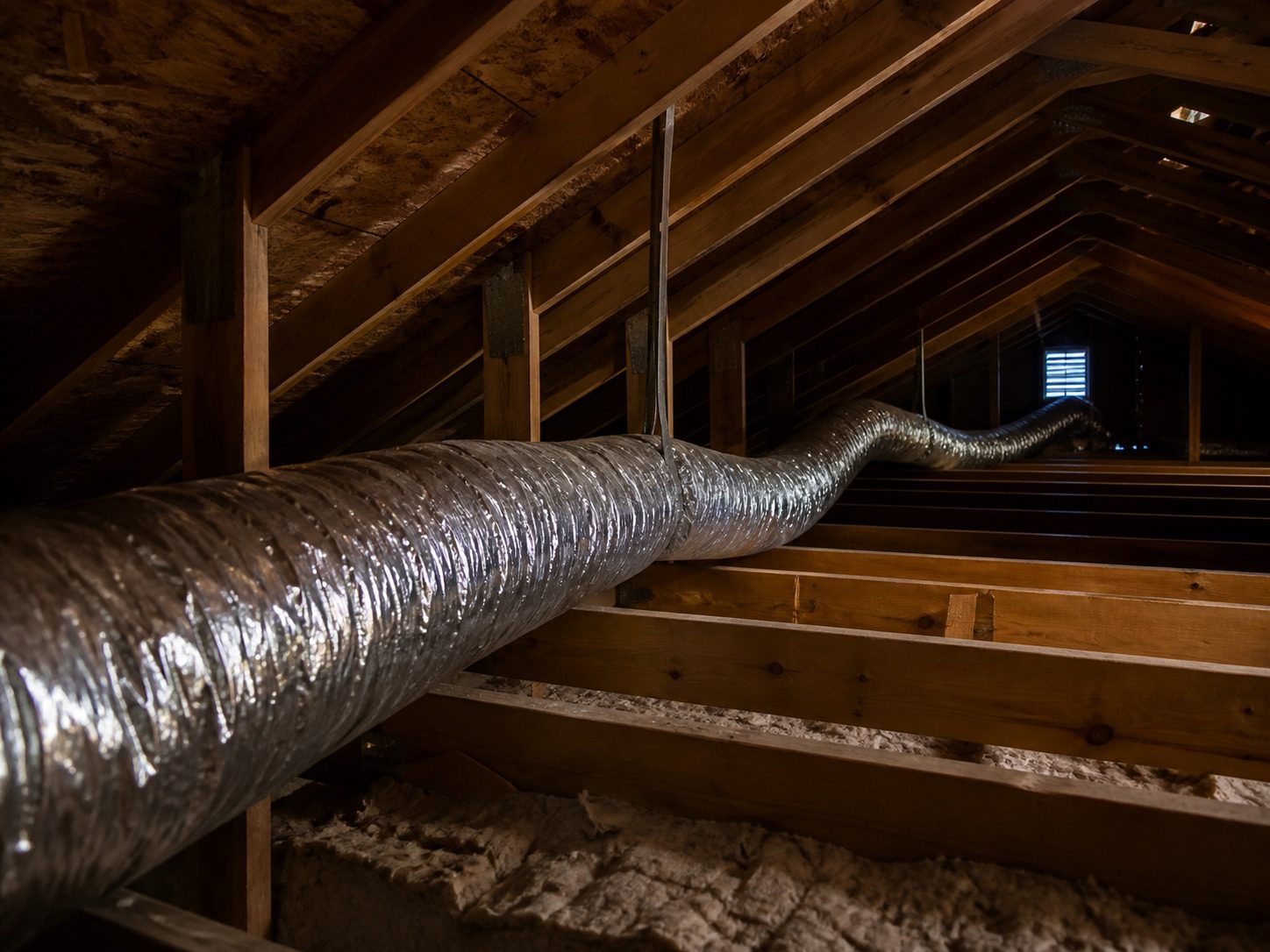
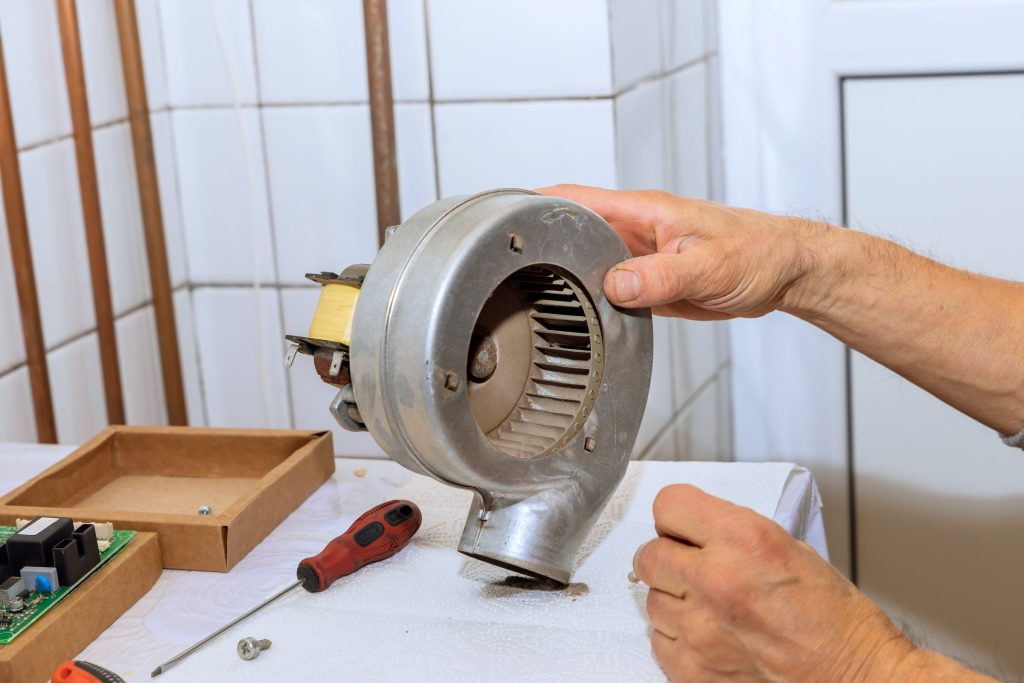
When it stops pulling, look along the run. Grease-loaded filters first, because they are free to wash. Then the blower wheel itself, which coats in grease over the years and loses a surprising amount of its ability to move air. Then the duct: a crushed section, an excessive number of elbows, or a flexible run that has sagged. And finally the flap outside, which lint, paint and birds all close in their own ways.
A hood at the end of a long run with several bends was never going to achieve what its rated figure suggests, and that is a design limit rather than a failure.
Why the appliance tells you nothing
Range hoods publish no error codes. Not the Broan-built 233 hoods that carry this badge, not anybody else's. There is no display, no code table, and no diagnostic mode — so every question on this page is answered by looking rather than by reading.
That is worth stating plainly, because people search for a Kenmore range hood code list and find pages offering one. Those lists have been assembled from other appliances.
What is left for us
Three things, once the filters and the duct are ruled out.
The blower motor, which can fail outright or on one speed only, and which on some hoods has its own thermal cut-out that trips when the motor overheats behind a blocked filter.
The switch or speed control, which is the answer when the light works and the fan does not, or when one speed works and another does not.
The lighting circuit, which on newer hoods is a driver rather than a bulb, and is its own small repair.
None of that is expensive work. Almost all of it comes after somebody has taken a filter down and looked at it, which is why that is where this page starts.
If it turns out to be a repair
What this leads to, and what it costs
Every job on this site is priced the same way: an on-site diagnostic first, the figure agreed in writing before anybody starts.
-
The fan runs and the kitchen still fills with steam Range hood not pulling air
The first question decides everything, and it is not about the hood. A recirculating hood passes air through charcoal and returns it to the room — it removes some odor and no moisture — and a great many complaints about a hood that does not work are that discovery.
- Ducted or recirculating changes everything
- Grease filters are free to fix and often the answer
- 233 is Broan — a ventilation maker, not an appliance one
-
from $135 Range hood blower and light repair
A hood that has gone quiet, gone loud, or lost its light. These are the simplest appliances in the kitchen and among the most repairable — a blower, a switch, a lamp and a filter — and a large share of the complaints are about the duct rather than the hood.
- Ducted or recirculating settled first
- A greasy impeller before a new motor
- The simplest appliance here and the most repairable
-
Under-cabinet and chimney · ducted and recirculating Range hoods
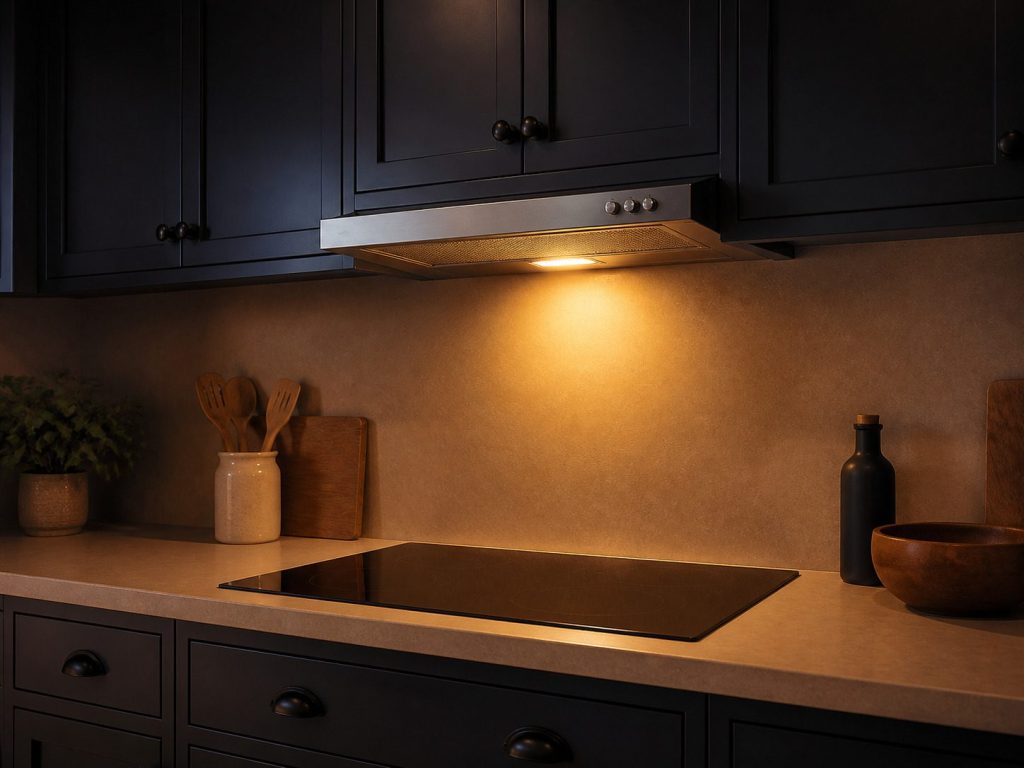
Under-cabinet and chimney hoods, and this is the one appliance on the badge with a ventilation specialist behind it — the 233 prefix is Broan. There is not much to a hood: a motor, a switch, a lamp and a path for the air. Which is why most of what we are called about turns out to be the duct or the filters rather than the hood.
- 233 is Broan-built — a ventilation maker, not an appliance one
- Most complaints are the duct or the filters
- Recirculating hoods cannot extract, by design
Questions people ask about this
How do I tell which kind I have?
Look above the hood. A duct going up into the cabinet or through the wall means ducted. A blank cabinet with the air coming back out through a grille at the top of the hood means recirculating.
Can a recirculating hood be converted?
Sometimes, and it is a construction job rather than an appliance one — a run has to reach an outside wall or the roof. It is worth pricing before assuming.
The light works and the fan does not.
That splits the problem usefully: power is arriving. What is left is the fan motor, its switch or its speed control, and on some models a thermal cut-out in the motor.
Why is my hood so much louder than it used to be?
Usually grease. Loaded filters and a coated blower wheel both make the fan work harder for less air, and both are cleaning rather than repair.
Common Problems
More guides like this one
-
A Kenmore Washer Full of Water: How to Empty It and What to Check
The drum is full, the laundry is soaked, and the machine is not going to help. Here is the order to work in, and where the two machines wearing this badge differ.
Read more -
Water in the Bottom of a Kenmore Refrigerator Is Water It Made Itself
A pool under the crispers is almost never a leak. It is melt water the appliance produced on purpose and could not get rid of, and the blockage is in one place.
Read more -
A Kenmore Refrigerator That Is Not Cooling: Three Machines, Three Answers
The same complaint on a 795, a 106 and a 253 points at different things, because they are an LG, a Whirlpool and a Frigidaire wearing one badge.
Read more
Tell us the model number and what it is doing.
This article is based on:
- Official manufacturer documentation
- Internal repair procedures
- Technician repair history
- Company quality standards