Appliance
Kenmore ice makers
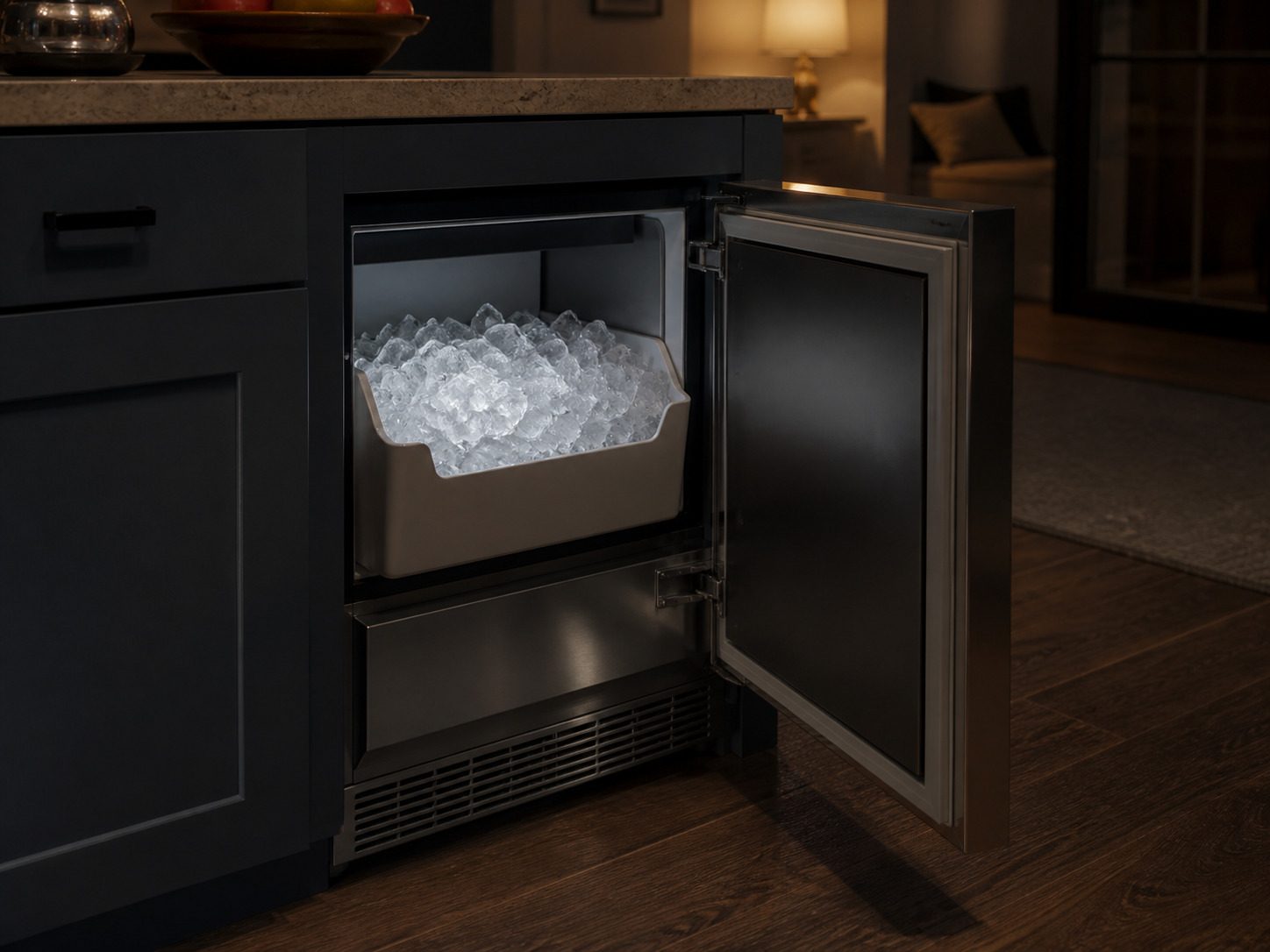
Standalone and undercounter ice makers, which are a separate appliance from the ice maker built into a refrigerator door. They have their own compressor, their own water path and their own harvest mechanism, and they are designed to run continuously rather than in the background. In South Florida that means they run almost every hour of the year, on water that is hard enough to change how they behave within months.
- 1 symptoms we are called out to
- From $95 diagnostic, credited to the repair
- 59 cities and neighborhoods covered
- OEM parts available on order
The short version
What this equipment is, for a repair
Configurations
Standalone and undercounter · a machine of its own
Access
Planned before the visit, not discovered on arrival
Parts
OEM, available on order
Diagnostic
From $95, credited to the repair
What goes wrong with it
Symptoms we are called out to on Kenmore ice makers
Each one covers the likely causes in the order they are worth checking, and what to do in five minutes before booking anything.
-
It still works — there is just less of it every month Standalone ice maker making less ice
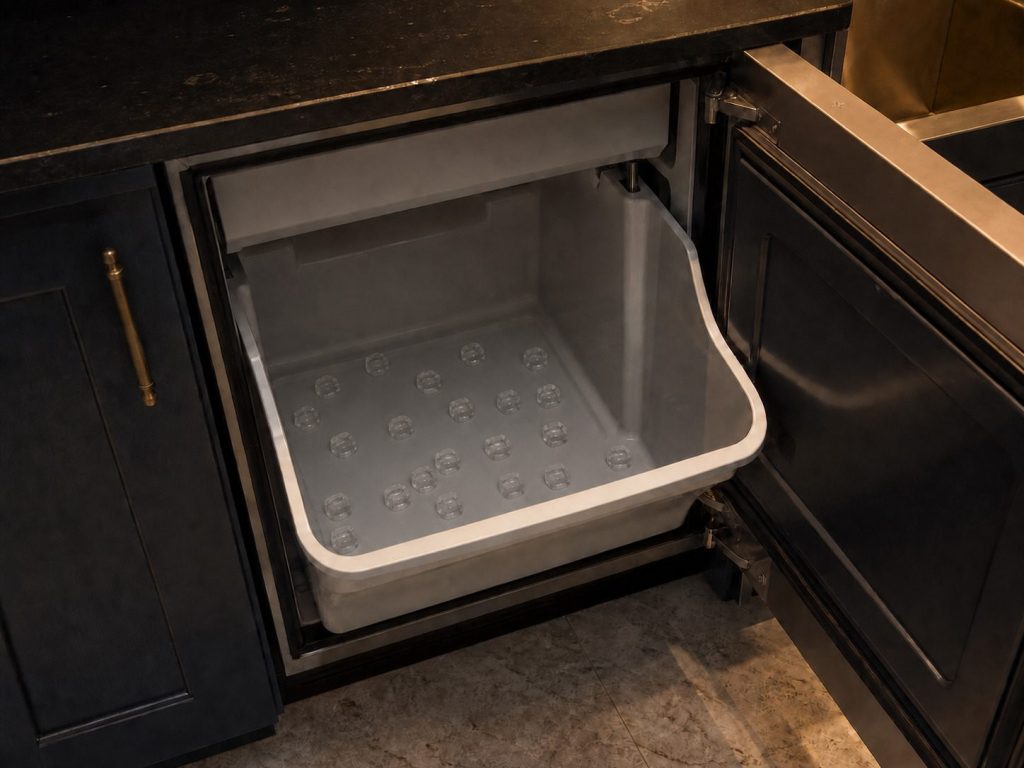
A dedicated ice machine rarely stops. It declines, quietly, over a year, and most households notice only when they run out at a party. On this water the reason is almost always mineral collecting on the surfaces the machine depends on, and that is preventable.
- Decline rather than failure is the signature
- No maker publishes a code table for these
- Which stage the cycle stops at is the diagnosis
What we do on it
Repairs we carry out on Kenmore ice makers
Starting figures for this equipment in South Florida. The exact cost is confirmed after an on-site diagnostic — and this is not the whole list of what can go wrong, so call if your problem is not here.
-
from $95 Diagnostic visit
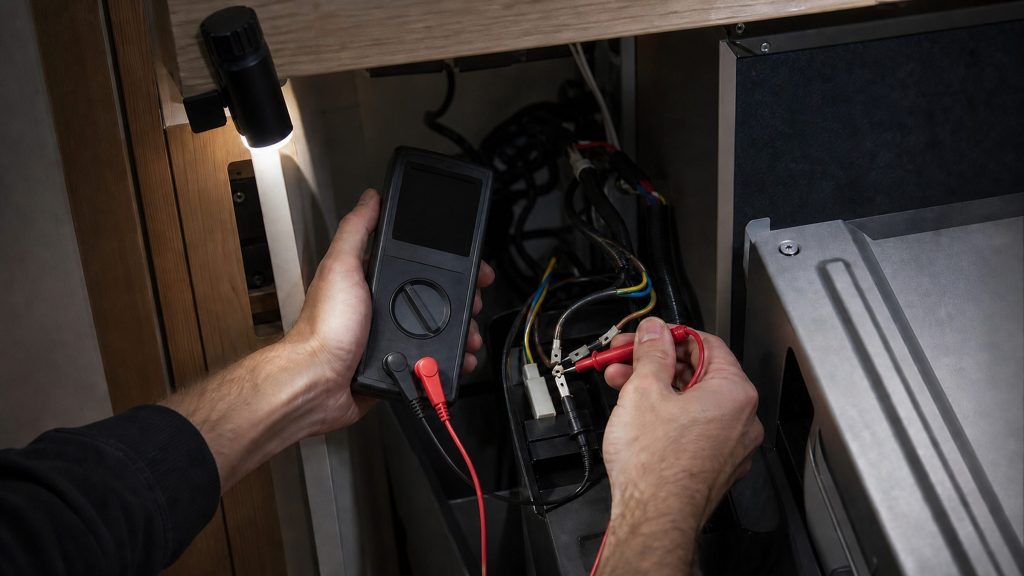
Nobody names a part on this site until somebody has measured something. On this badge the visit starts one step earlier than it does on most makes: with the model number, because the first three digits tell us which manufacturer built the appliance and therefore which service documentation, which diagnostic sequence and which parts catalog apply. Arriving without that is guessing at three appliances at once.
- The prefix read first, then the appliance
- What it reports, measured rather than assumed
- Credited toward the repair when you go ahead
-
from $95 OEM cross reference and parts sourcing
The job that only exists on a badge-engineered appliance. A Kenmore part number is not the part number the factory used, and on a discontinued unit the difference decides whether the repair is possible at all. We cross-reference the Kenmore number to the builder's own number and tell you plainly whether the part is current, superseded or gone.
- The builder's part number, not the badge's
- Superseded numbers traced rather than guessed
- An honest answer when a part no longer exists
-
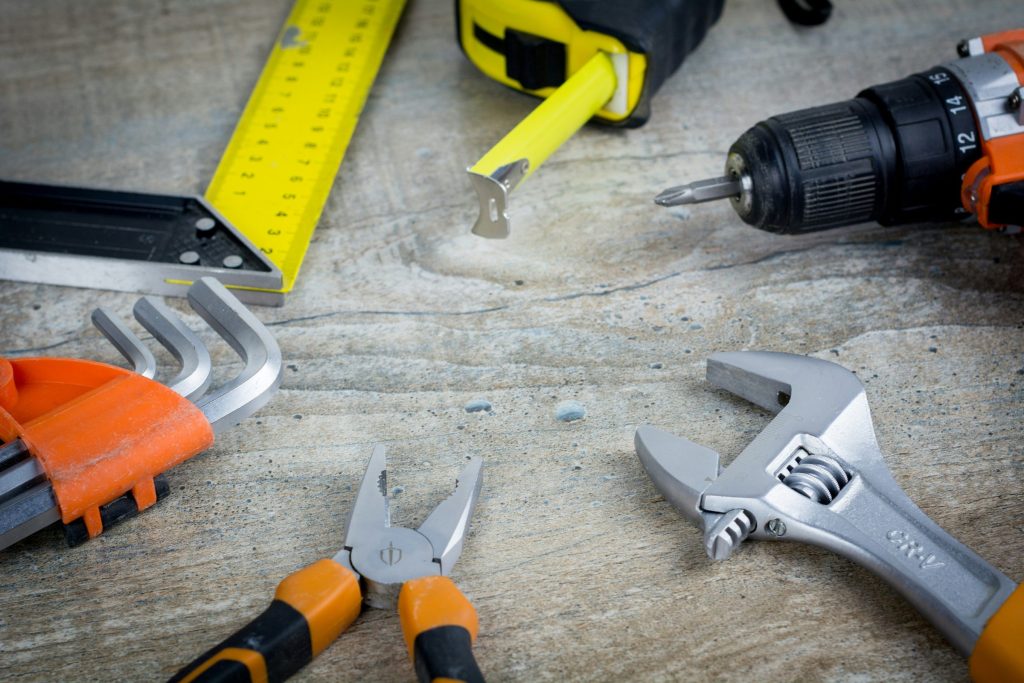
from $125 Appliance maintenance
Scheduled work in one visit rather than an emergency in three months. Condenser coils, door seals, filters, the dryer duct and the dishwasher drain path — the things that fail quietly here and take a component with them when they do. In this climate this is the service that changes the arithmetic most.
- Coils, seals, filters and the duct in one visit
- Priced below a diagnosis plus the repair it prevents
- The interval that suits South Florida rather than the manual
-
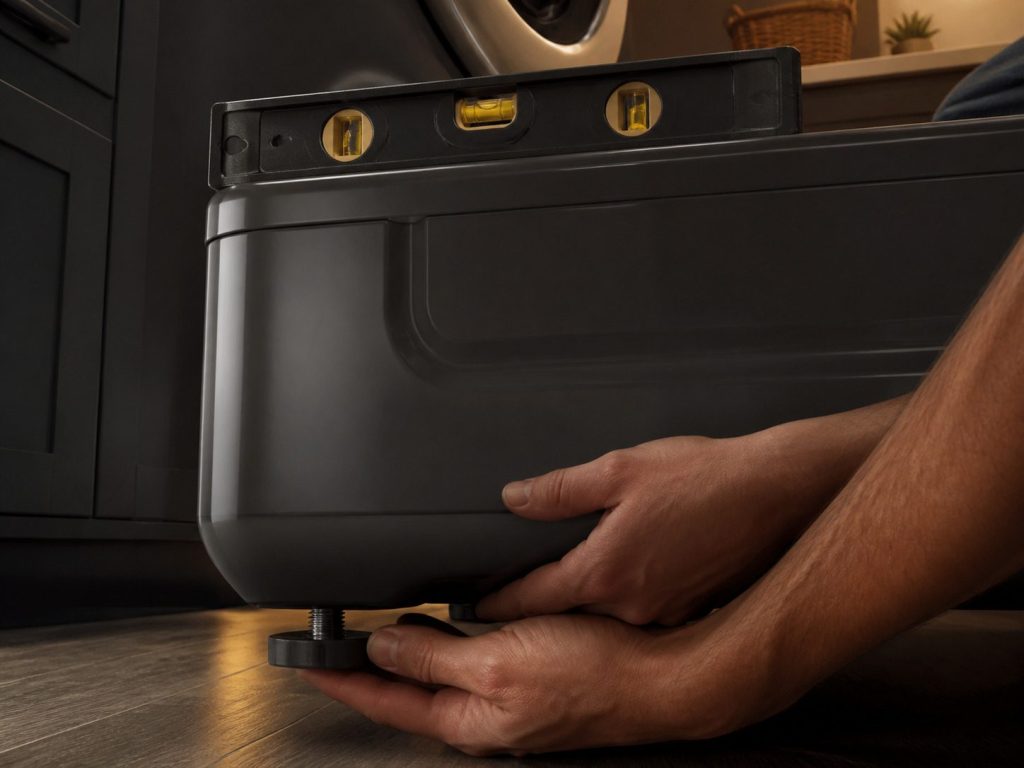
from $145 Appliance installation
Connection, leveling and a working test, done so the appliance does not spend its life fighting its installation. Half the calls we take about a new appliance are about how it went in: a drain hose without a high loop, a dryer vent crushed behind the machine, a refrigerator with no clearance at the back.
- Leveled and tested rather than plugged in
- Gas and stacked installations quoted on the job
- The install decides how the appliance ages
-
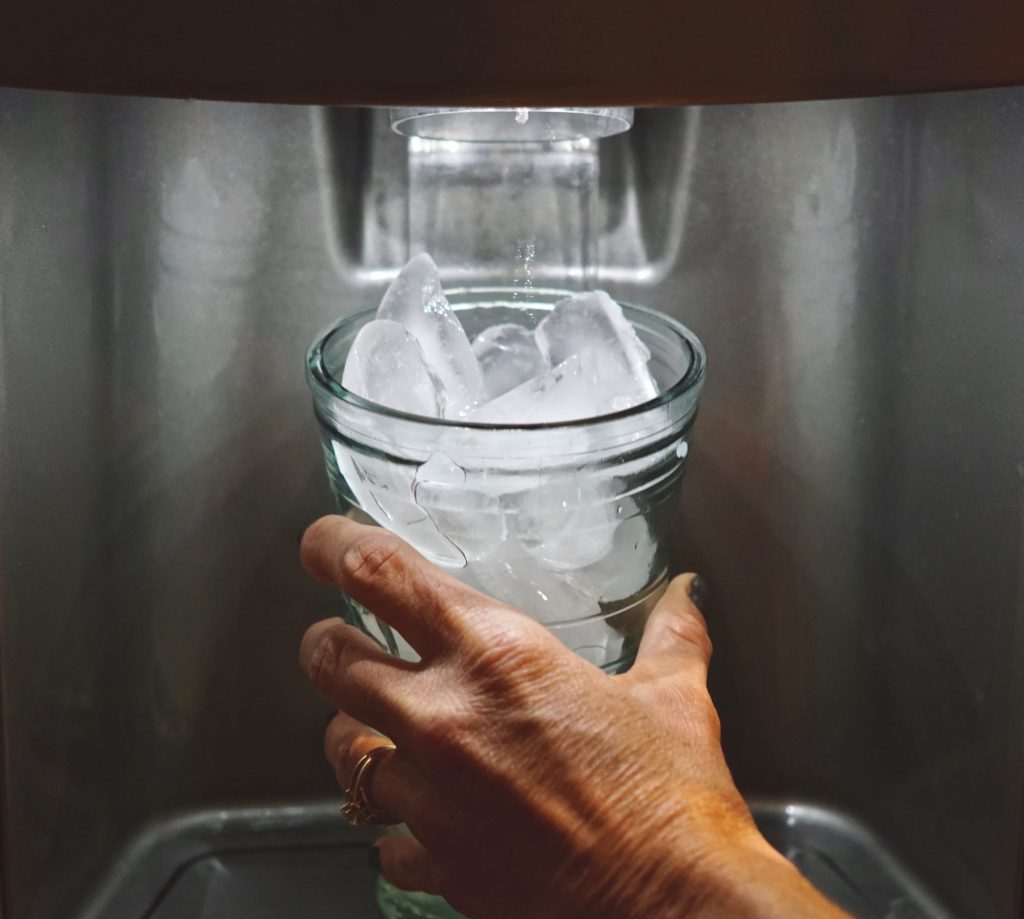
from $155 Ice maker repair
The ice maker inside a refrigerator, which stops for cheaper reasons than most people assume. Production depends on freezer temperature. An ice maker that has slowed is very often reporting a freezer that has crept warm, and correcting that is a smaller and cheaper job than fitting a module.
- Freezer temperature before the module
- Water supply before the mechanism
- The module replaced when the module is the answer
-
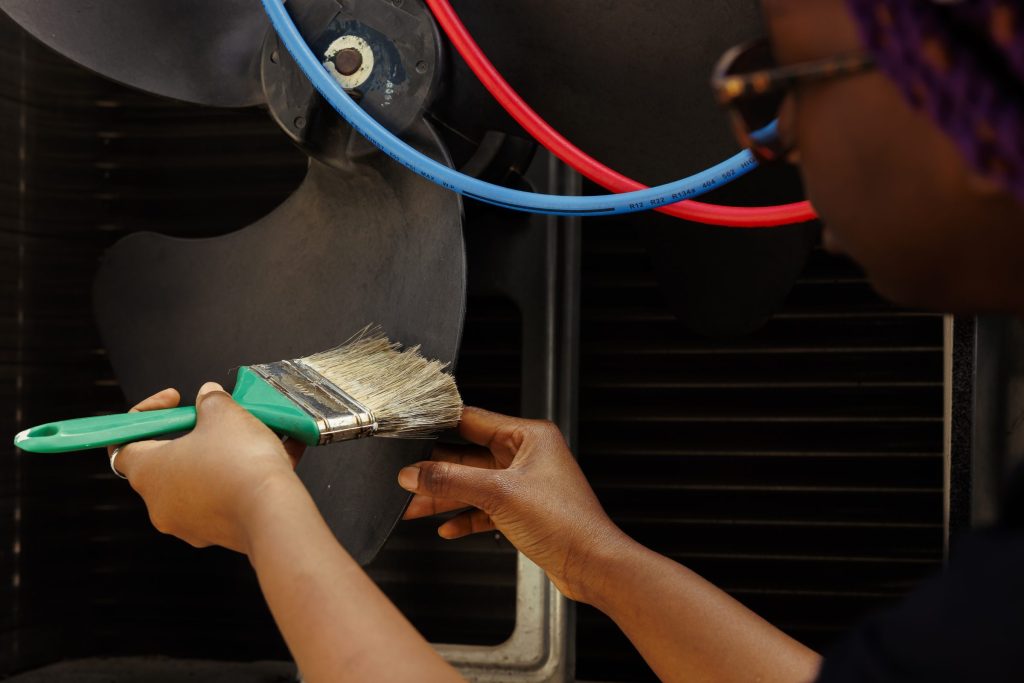
from $125 Condenser cleaning service
The cheapest work on this site and the work that prevents the most expensive. Dust, pet hair and salt air settle on a condenser here until it can no longer give up its heat, and from then on the compressor buys the same cold with more running time — until something in the circuit stops paying.
- Prevents the repair that costs ten times as much
- Salt air and humidity make this a shorter interval here
- Run time measured before and after
-
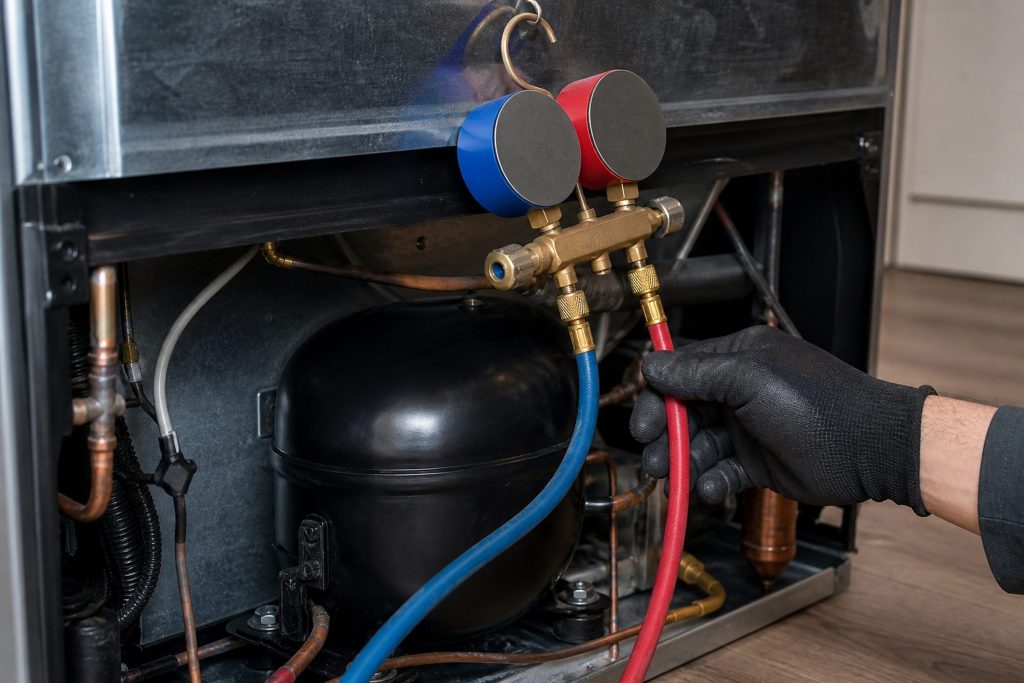
from $595 Sealed system repair
Compressor, condenser, evaporator and the refrigerant between them. It is real, it is the most expensive repair on a refrigerator, and it is quoted far more often than it happens. Everything cheaper is ruled out first, and on a mass-market cabinet we will tell you honestly when the repair no longer makes sense against the price of the appliance.
- Ruled in by measurement, never by elimination alone
- Licensed refrigerant work
- An honest replace-instead conversation where it applies
-
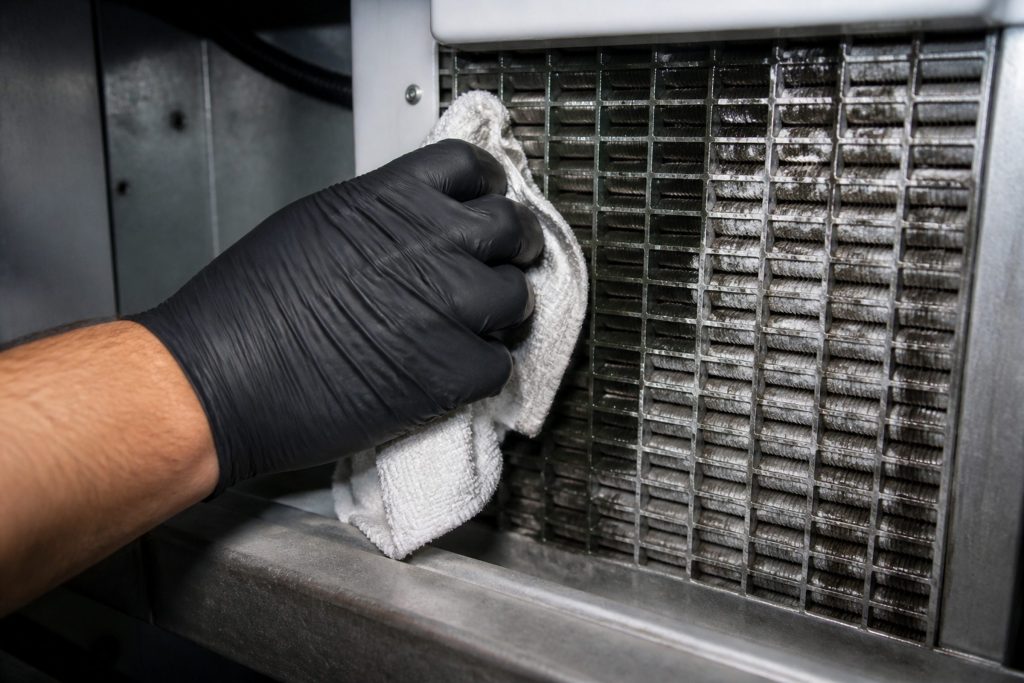
from $155 Ice machine cleaning and descaling
The service that keeps a standalone ice machine alive in South Florida. Mineral collects on exactly the surfaces the machine depends on, output falls month by month without the machine ever stopping, and the interval printed in the manual assumes gentler water than we have.
- Output measured before and after
- The maker's own cleaner, on the maker's own cycle
- The cheapest service here and the most preventive
In more detail
About Kenmore ice makers
Why this has its own page
People book a refrigerator visit for a standalone ice maker and the two jobs are not alike. An ice maker in a refrigerator freezes a tray using cold the freezer already made. A dedicated machine makes its own cold, runs its own water circuit and pushes a batch off a plate on a schedule. Different components, different symptoms, different visit.
The local factor is the water
Every batch of ice leaves behind whatever the water carried. Here that is a lot, and it collects on precisely the surfaces the machine depends on. Cleaning intervals printed for the national average are generous for South Florida, and the units we see reaching ten years are the ones cleaned on a shorter cycle than the book asks for.
How we work one out
We watch a cycle end to end and note where it hesitates, then measure output against what the machine is rated for. Doing it that way means the result of a clean is a number you can compare rather than an impression, and it stops a healthy machine being sold a part it does not need.
What we will say on the phone
If what you describe sounds like buildup, we will tell you that and book the cleaning instead of a diagnostic. A fair share of these calls are exactly that, and finding out on site helps nobody.
This article is based on:
- Official manufacturer documentation
- Internal repair procedures
- Technician repair history
- Company quality standards
Before you book
Questions about Kenmore ice makers
It still makes ice, but nowhere near as much as it used to.
That gradual decline is what mineral buildup looks like from outside the cabinet. Deposits coat the freezing surface, each batch takes longer to form and longer to let go, and the daily total falls month by month without the machine ever giving you a moment where it obviously broke. Cleaning it out restores most of what was lost, and it is one of the least expensive things we do.
The cubes come out thin, cloudy or half-formed.
Look at the water side rather than the cold side. A machine that is timed rather than weighed will simply put less water into the same cycle if the supply is restricted, and you get an undersized cube instead of a longer wait. An overdue filter, a partly closed shut-off, or a kinked line all do it. Mention the cube shape when you call — it narrows things considerably.
Is there a code on it I can look up?
On most machines of this type there is nothing to look up, and we would rather say so than hand you a table somebody wrote from imagination. These are diagnosed by watching a full cycle from the outside: it fills, it freezes, it releases, it drains. Whichever of those four it stalls in points straight at a short list of parts. That is why we ask what happens if you stand and watch it for twenty minutes.
There is a puddle under it.
Before the plumbing, consider the room. A machine in a garage, a patio bar or an unconditioned utility space sweats in this climate, and what is on the floor may never have been inside the appliance at all. Where it genuinely is the machine, the usual suspects are the inlet valve and a drain that has stopped clearing.
Where we do it
Across Miami-Dade, Broward, and Palm Beach
Same terms everywhere we go: an on-site diagnostic first, the price agreed in writing, and the exact figure confirmed once we have seen the unit.
Neighborhoods people ask for by name