Appliance
Kenmore cooktops
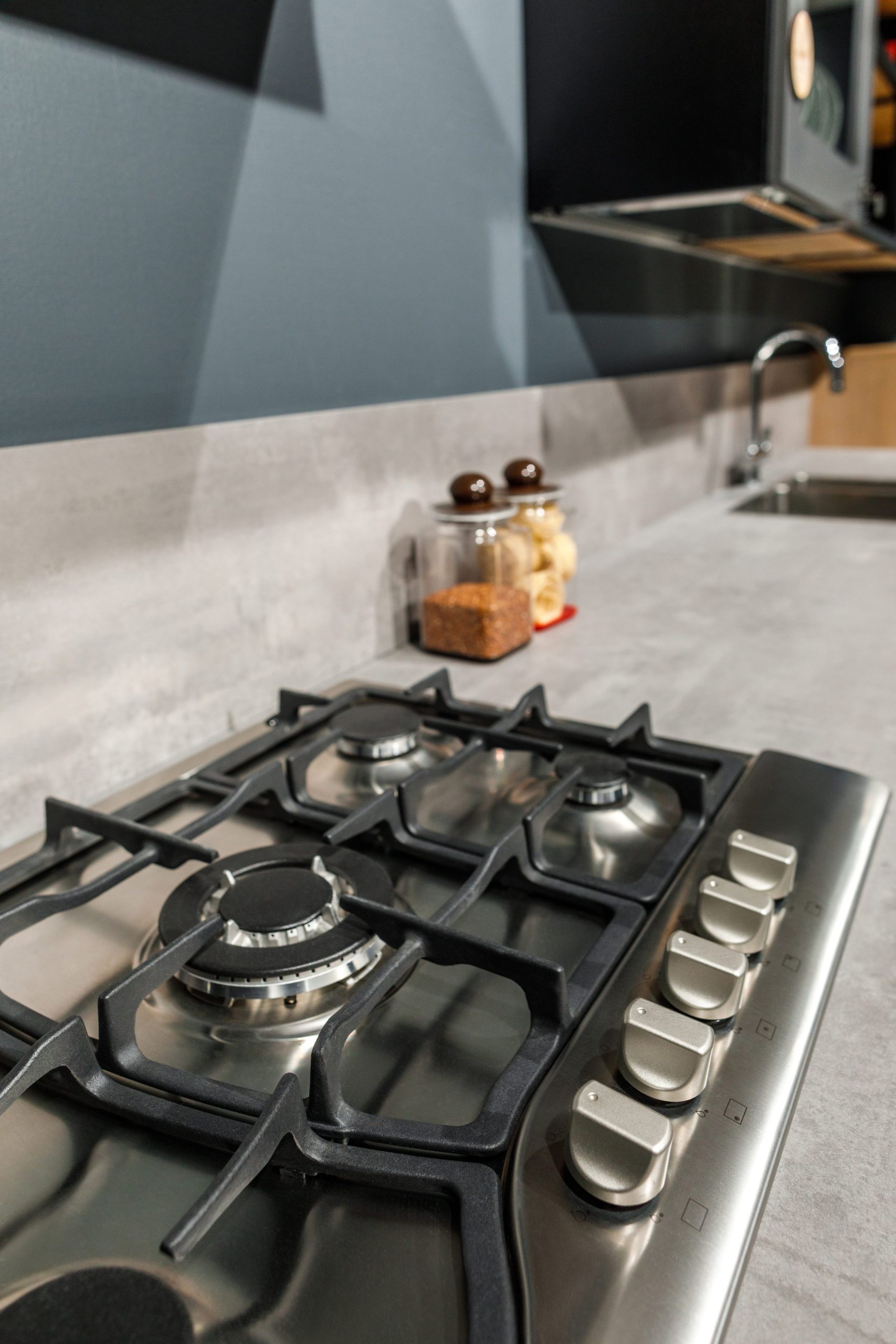
Drop-in cooktops — gas, radiant electric and induction. A cooktop is the simplest appliance in the kitchen on gas and one of the most electronic on induction, and the two share almost nothing but the hole they sit in. What they do share is that a single dead zone is usually a component rather than the whole appliance.
- 1 symptoms we are called out to
- From $95 diagnostic, credited to the repair
- 59 cities and neighborhoods covered
- OEM parts available on order
The short version
What this equipment is, for a repair
Configurations
Gas, radiant and induction · drop-in
Access
Planned before the visit, not discovered on arrival
Parts
OEM, available on order
Diagnostic
From $95, credited to the repair
What goes wrong with it
Symptoms we are called out to on Kenmore cooktops
Each one covers the likely causes in the order they are worth checking, and what to do in five minutes before booking anything.
-
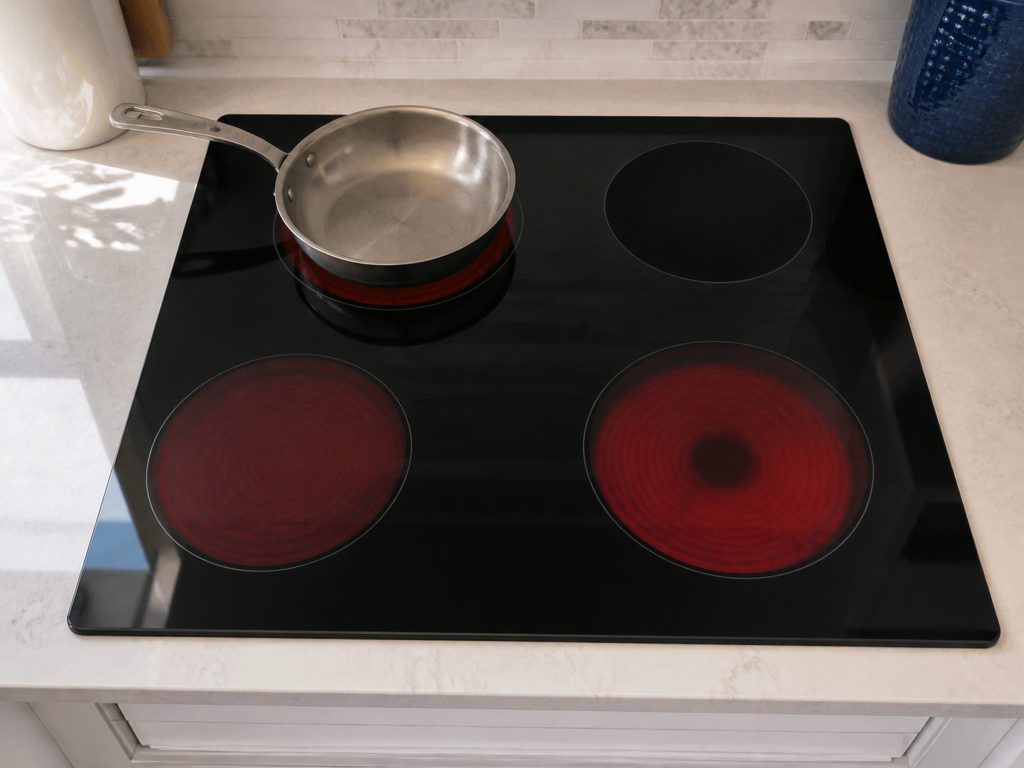
The others are fine and this one is dead One cooktop burner not working
Good news, usually. A single dead zone points at that zone rather than at anything the whole cooktop shares, and on all three technologies the parts involved are accessible and modest.
- One zone dead is rarely a shared part
- On gas it is usually seating or a port
- Cracked glass is a stop, not a repair
What we do on it
Repairs we carry out on Kenmore cooktops
Starting figures for this equipment in South Florida. The exact cost is confirmed after an on-site diagnostic — and this is not the whole list of what can go wrong, so call if your problem is not here.
-
from $95 Diagnostic visit
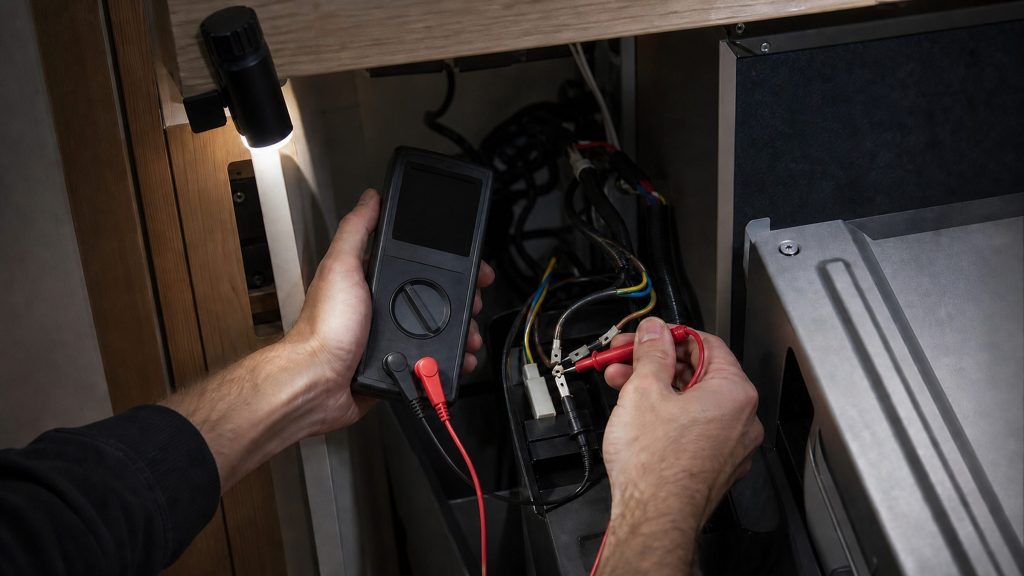
Nobody names a part on this site until somebody has measured something. On this badge the visit starts one step earlier than it does on most makes: with the model number, because the first three digits tell us which manufacturer built the appliance and therefore which service documentation, which diagnostic sequence and which parts catalog apply. Arriving without that is guessing at three appliances at once.
- The prefix read first, then the appliance
- What it reports, measured rather than assumed
- Credited toward the repair when you go ahead
-
from $95 OEM cross reference and parts sourcing
The job that only exists on a badge-engineered appliance. A Kenmore part number is not the part number the factory used, and on a discontinued unit the difference decides whether the repair is possible at all. We cross-reference the Kenmore number to the builder's own number and tell you plainly whether the part is current, superseded or gone.
- The builder's part number, not the badge's
- Superseded numbers traced rather than guessed
- An honest answer when a part no longer exists
-
from $125 Appliance maintenance
Scheduled work in one visit rather than an emergency in three months. Condenser coils, door seals, filters, the dryer duct and the dishwasher drain path — the things that fail quietly here and take a component with them when they do. In this climate this is the service that changes the arithmetic most.
- Coils, seals, filters and the duct in one visit
- Priced below a diagnosis plus the repair it prevents
- The interval that suits South Florida rather than the manual
-
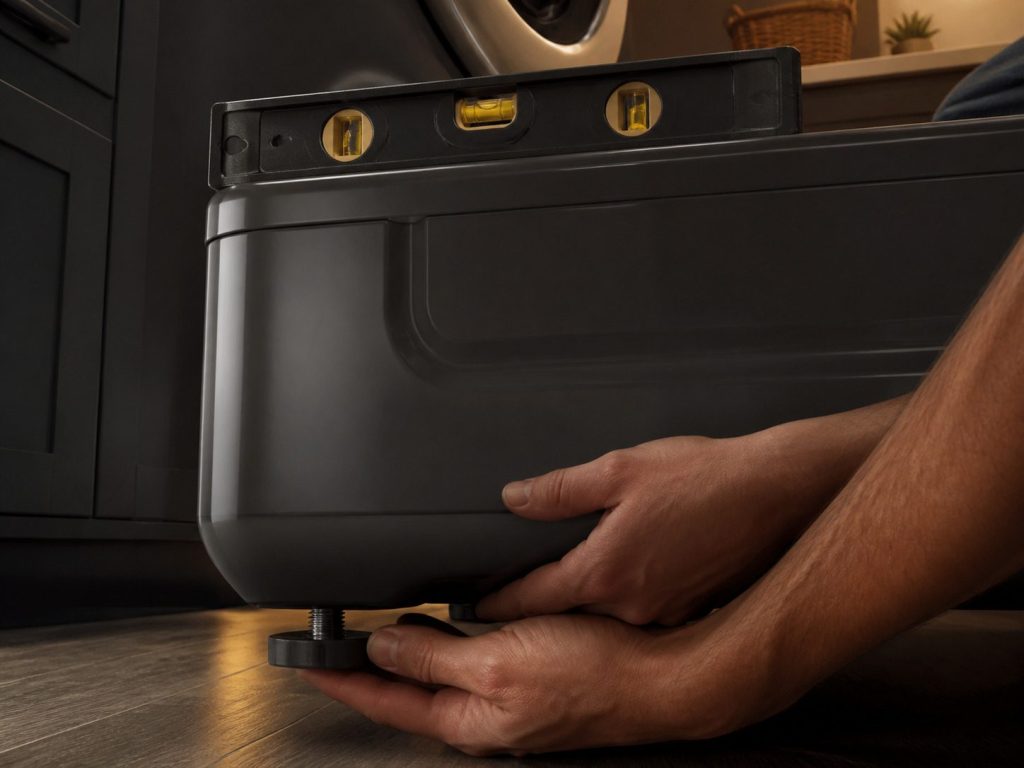
from $145 Appliance installation
Connection, leveling and a working test, done so the appliance does not spend its life fighting its installation. Half the calls we take about a new appliance are about how it went in: a drain hose without a high loop, a dryer vent crushed behind the machine, a refrigerator with no clearance at the back.
- Leveled and tested rather than plugged in
- Gas and stacked installations quoted on the job
- The install decides how the appliance ages
-
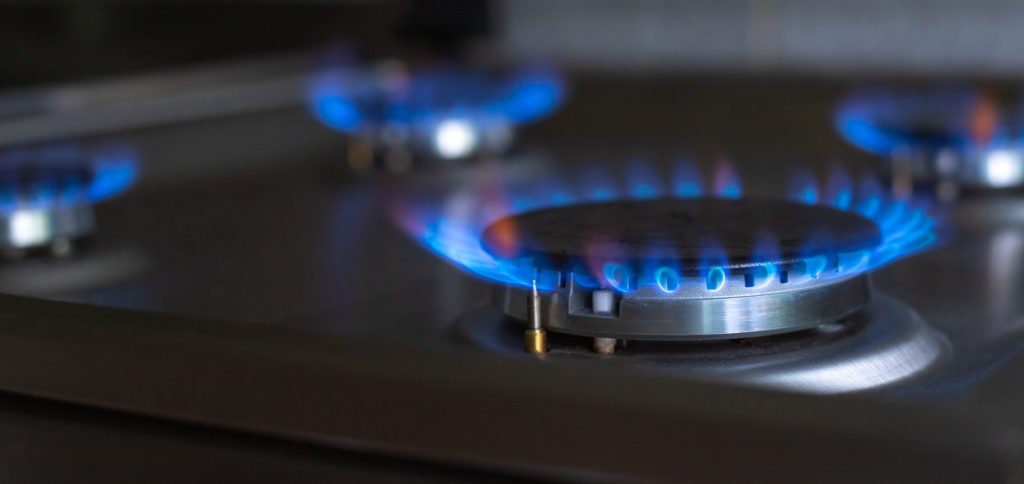
from $165 Surface igniter replacement
A gas burner that clicks and clicks and will not light. Clicking means the spark system is alive and trying, which rules out a great deal — and it is very often the burner cap seating or a blocked port rather than the igniter at all.
- Cap seating and ports checked first, for free
- Igniter tested rather than assumed
- The gas valve is rarely the answer
-
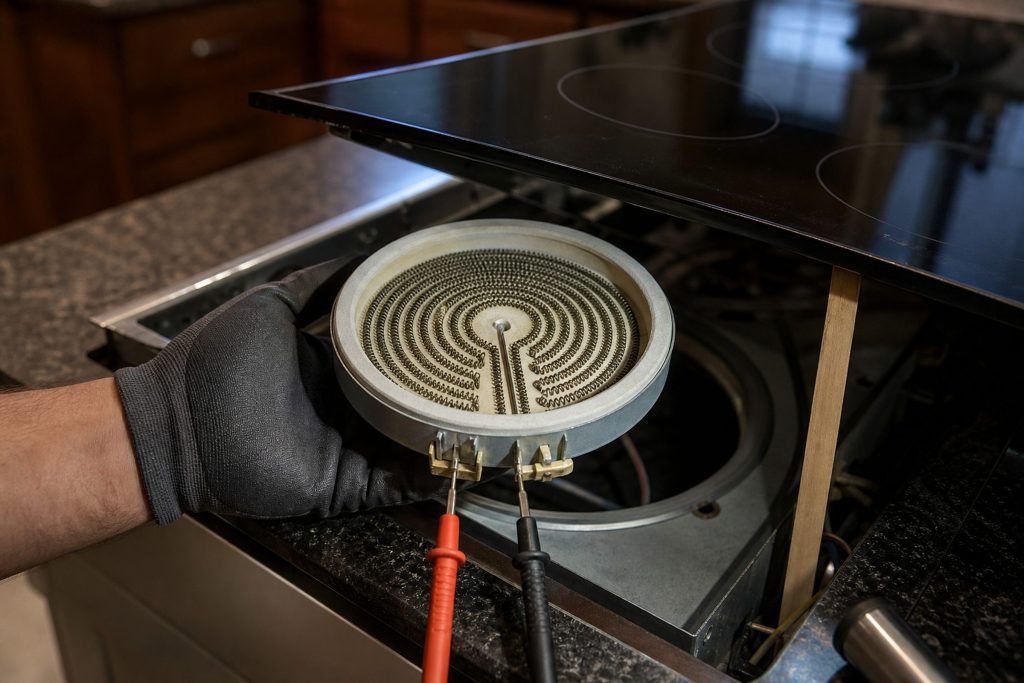
from $155 Cooktop element repair
One radiant zone dead while the others work. That pattern is good news: it points at that element or its switch rather than at anything shared, and both are accessible parts on most of these cooktops.
- One dead zone is rarely a board
- Element and switch tested separately
- Cracked glass is a stop rather than a repair
-
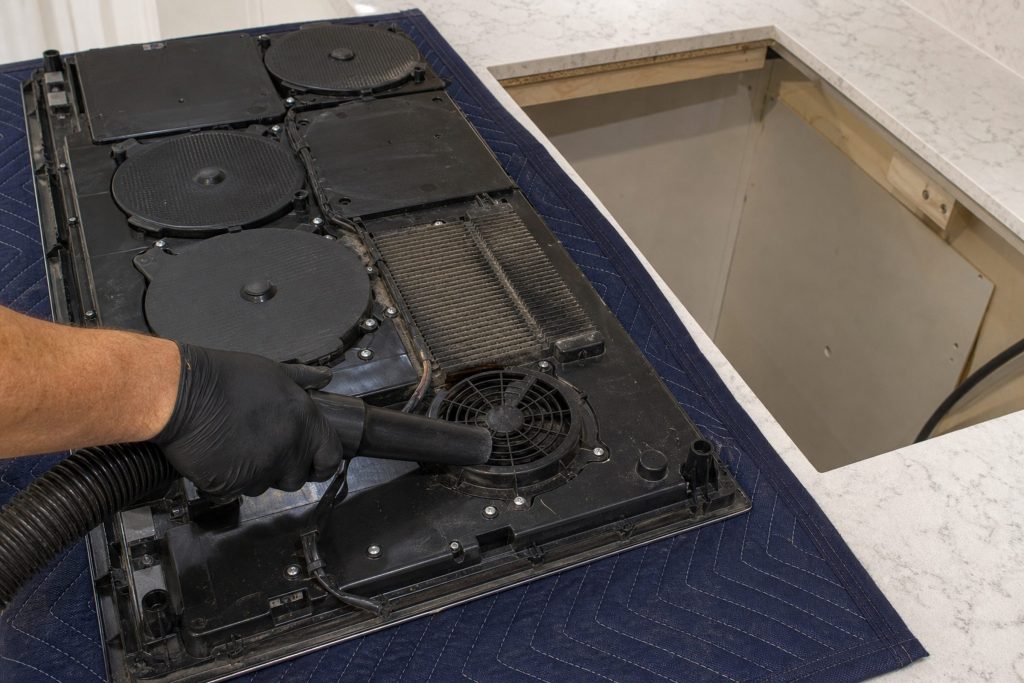
from $235 Induction cooktop repair
An induction top that shuts down mid-cook, refuses a pan, or has lost a zone. More of these turn out to be heat and ventilation than electronics — the power stage lives under the glass and is cooled by a fan, and a cabinet that traps warm air makes a healthy cooktop protect itself.
- Ventilation checked before any board
- Pan compatibility is a real answer, not a brush-off
- One dead zone points at that zone's coil or driver
-
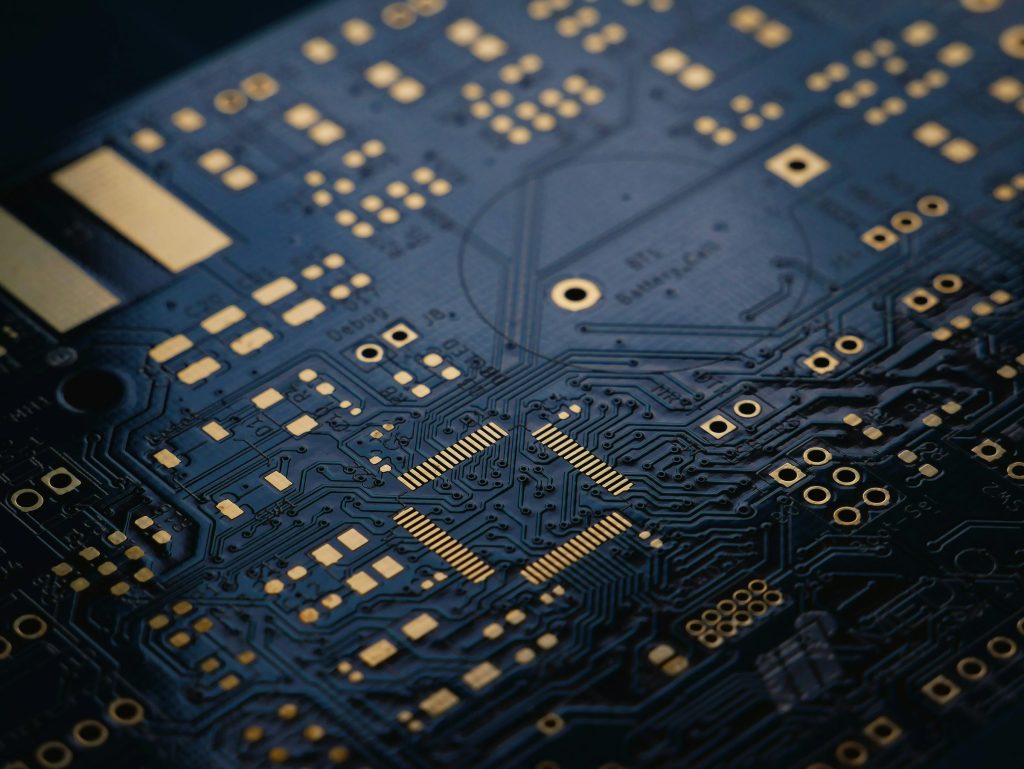
from $265 Appliance control board repair
The repair we rule in last and quote most carefully. A control board is the most expensive single part on most of these appliances, it is the easiest thing to blame, and on a mass-market unit it is the repair where replacing the appliance sometimes wins. We will say which.
- Ruled in by measurement, never by elimination
- Storm-season damage is a real local cause
- An honest replace-instead answer where it applies
In more detail
About Kenmore cooktops
Three cooktops that share only a cut-out
Gas is mechanical: igniters, valves, ports. Radiant electric is elements and switches. Induction is a power electronics appliance with a glass lid. They fail in different places, they are diagnosed with different tools, and their repairs sit at different prices. The one thing they have in common is that a single dead zone points at that zone.
Ventilation matters more than people expect
Induction and, to a lesser extent, radiant cooktops depend on air moving under the counter. Kitchens here are warm, and a cooktop installed over a closed cabinet or a drawer stack runs hot enough to protect itself. A cooktop that shuts down late in a long cook is telling you about its installation.
What we can and cannot do
We repair the electronics, the elements, the igniters and the switches. We cannot repair the glass, and where the glass is no longer made for that model we will say so rather than take a diagnostic fee to find out slowly.
Before you book
Tell us gas, radiant or induction, how many zones are affected, and the model number. Those three usually decide the answer before anybody drives out.
This article is based on:
- Official manufacturer documentation
- Internal repair procedures
- Technician repair history
- Company quality standards
Before you book
Questions about Kenmore cooktops
One burner is dead and the others are fine.
Good news, usually. On gas that points at that burner's igniter or a blocked port rather than at anything shared. On radiant electric it is that element or its switch. On induction it is that zone's coil or its driver. In all three the shared control board is the least likely answer precisely because the other zones still work.
The induction cooktop turns itself off during cooking.
Most often heat, not a defect. Induction electronics sit under the glass and are cooled by a fan; a blocked intake, an enclosed installation, or a cabinet that traps warm air will trip the protection. Check the fan is audible and the underside is not boxed in. Where the ventilation is right, it is a temperature sensor or the power board, and that is a real repair.
The glass is cracked. Can it be replaced?
Sometimes, and it depends entirely on whether the glass is still available for that model. On an older cooktop it frequently is not, and the honest answer is that replacing the appliance is the better spend. A cracked glass top should not be used in the meantime — on a radiant or induction unit that is an electrical risk, not just a cosmetic one.
Where we do it
Across Miami-Dade, Broward, and Palm Beach
Same terms everywhere we go: an on-site diagnostic first, the price agreed in writing, and the exact figure confirmed once we have seen the unit.
Neighborhoods people ask for by name