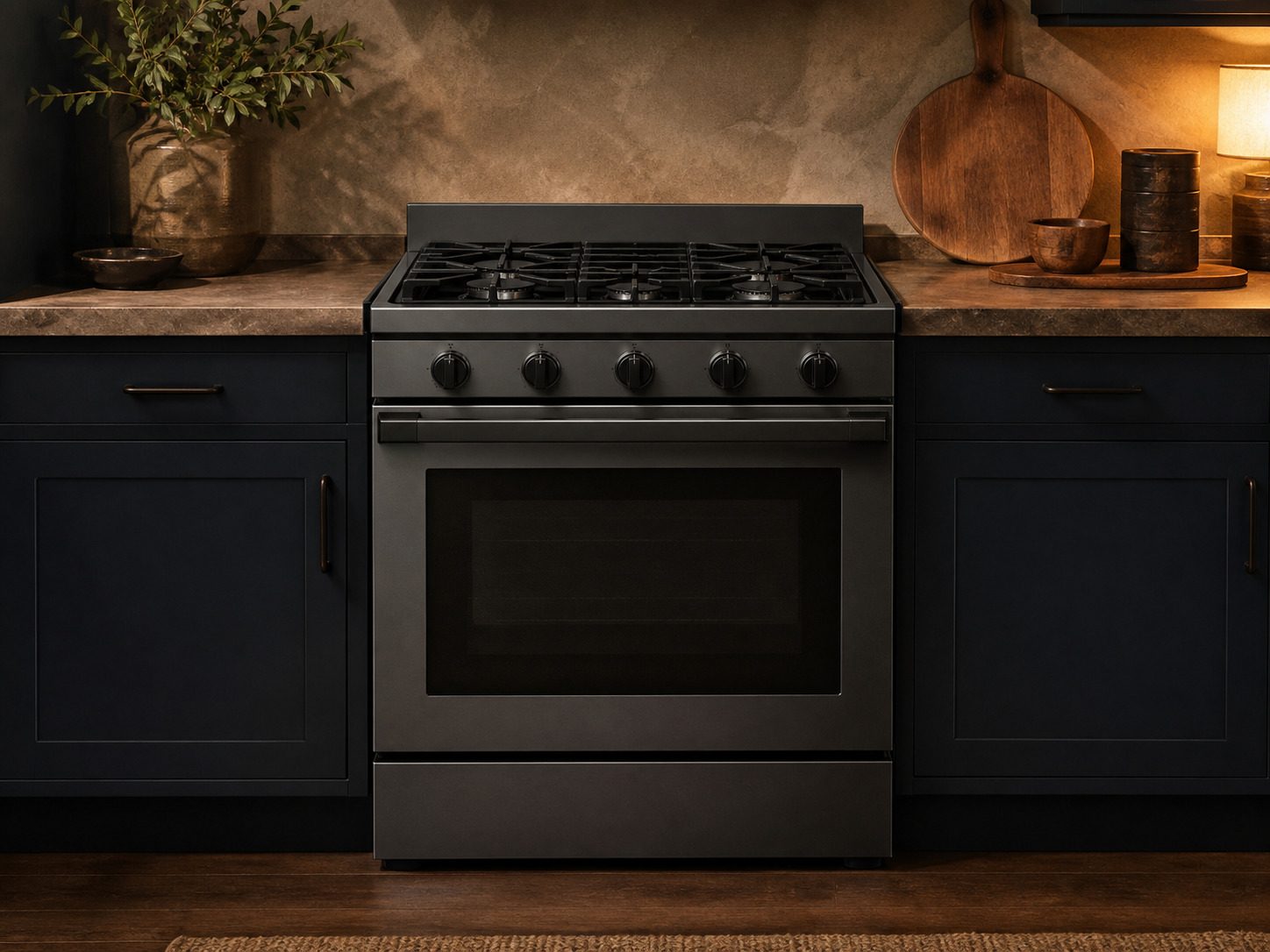
Appliance
Kenmore ranges
Freestanding and slide-in ranges, gas and electric. 790 is the number we see most and it is Frigidaire-built; 362 turns up on GE-built ranges and 911 on another range family altogether. A range is the appliance a household notices fastest when it stops, and it is also the one where the difference between a sensor, an element and a control board is the difference between a modest repair and a conversation about replacing it.
- 3 symptoms we are called out to
- From $95 diagnostic, credited to the repair
- 59 cities and neighborhoods covered
- OEM parts available on order
The short version
What this equipment is, for a repair
Configurations
Freestanding and slide-in · gas and electric
Access
Planned before the visit, not discovered on arrival
Parts
OEM, available on order
Diagnostic
From $95, credited to the repair
What goes wrong with it
Symptoms we are called out to on Kenmore ranges
Each one covers the likely causes in the order they are worth checking, and what to do in five minutes before booking anything.
-
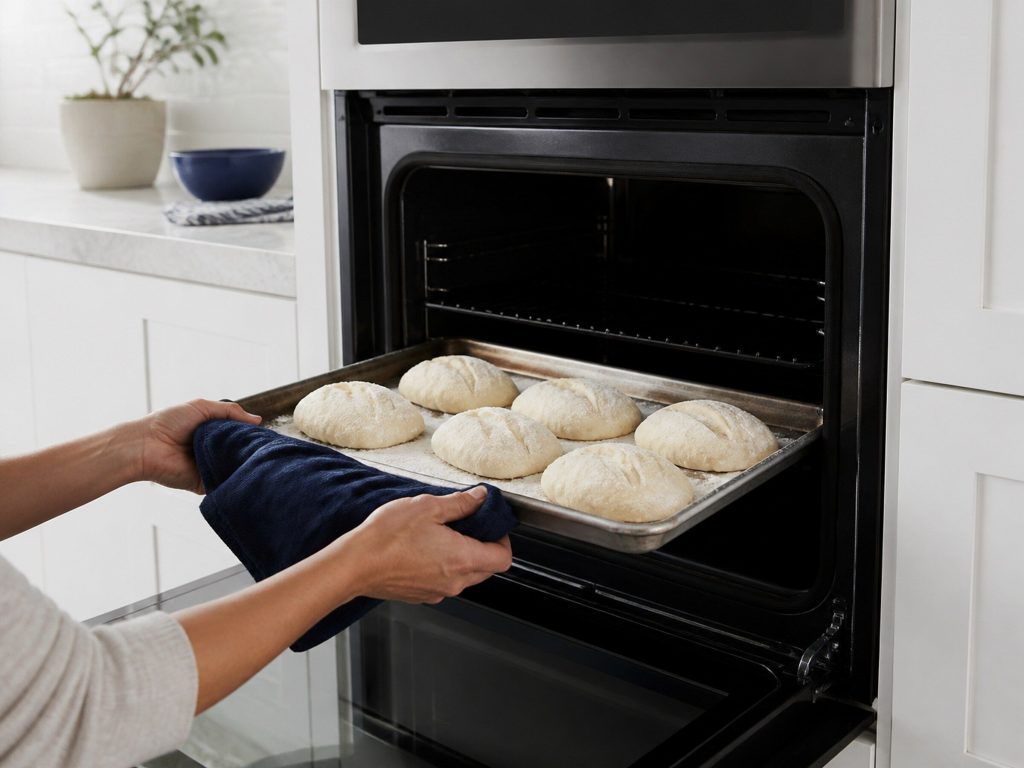
It will not reach temperature, or takes far too long Oven not heating
Two answers cover most of these and they are cheap to tell apart. A failed bake element usually shows itself, and a temperature sensor that has drifted does not show anything at all — it simply reports the wrong number and the oven confidently holds a temperature it is not at.
- A bake element usually shows visible damage
- A sensor problem shows nothing at all
- A consistent offset is the sensor's signature
-
It locked itself and will not open Oven door locked shut
Nearly always a self-clean cycle that has not completed or has not cooled, and nearly always resolvable without damage — provided nobody forces it. Forcing an oven door lock is how a modest repair becomes a hinge and a liner.
- Almost always a self-clean cycle
- Do not force it — that is the expensive mistake
- The lock holds until the cavity is genuinely cool
-
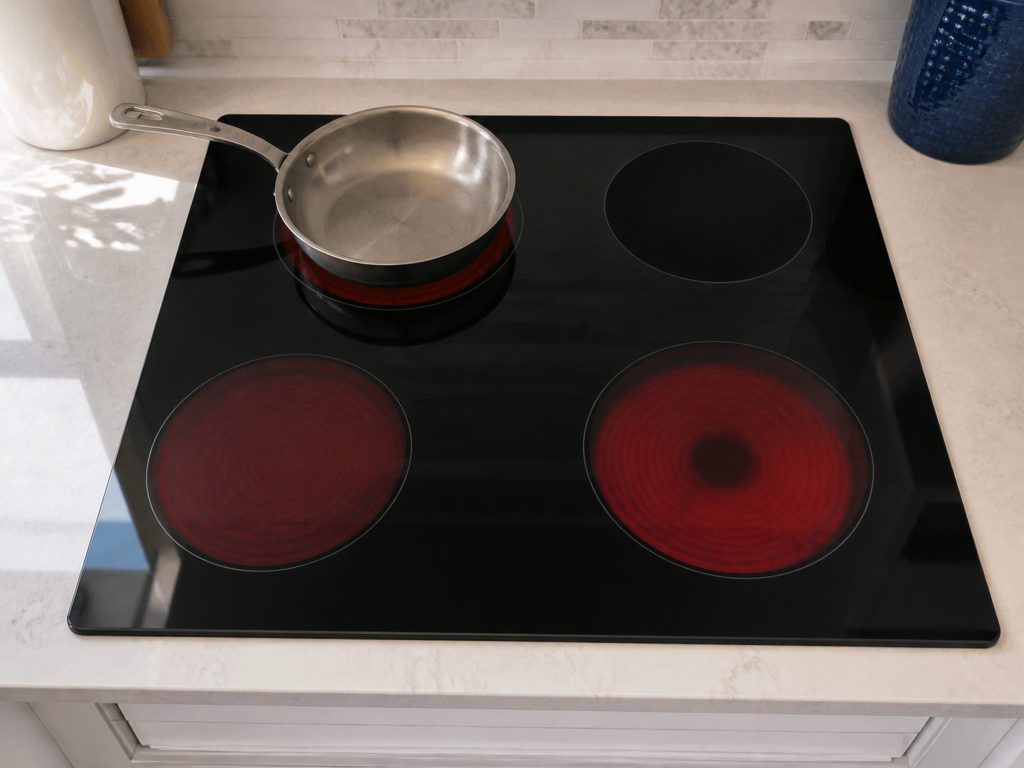
The others are fine and this one is dead One cooktop burner not working
Good news, usually. A single dead zone points at that zone rather than at anything the whole cooktop shares, and on all three technologies the parts involved are accessible and modest.
- One zone dead is rarely a shared part
- On gas it is usually seating or a port
- Cracked glass is a stop, not a repair
What we do on it
Repairs we carry out on Kenmore ranges
Starting figures for this equipment in South Florida. The exact cost is confirmed after an on-site diagnostic — and this is not the whole list of what can go wrong, so call if your problem is not here.
-
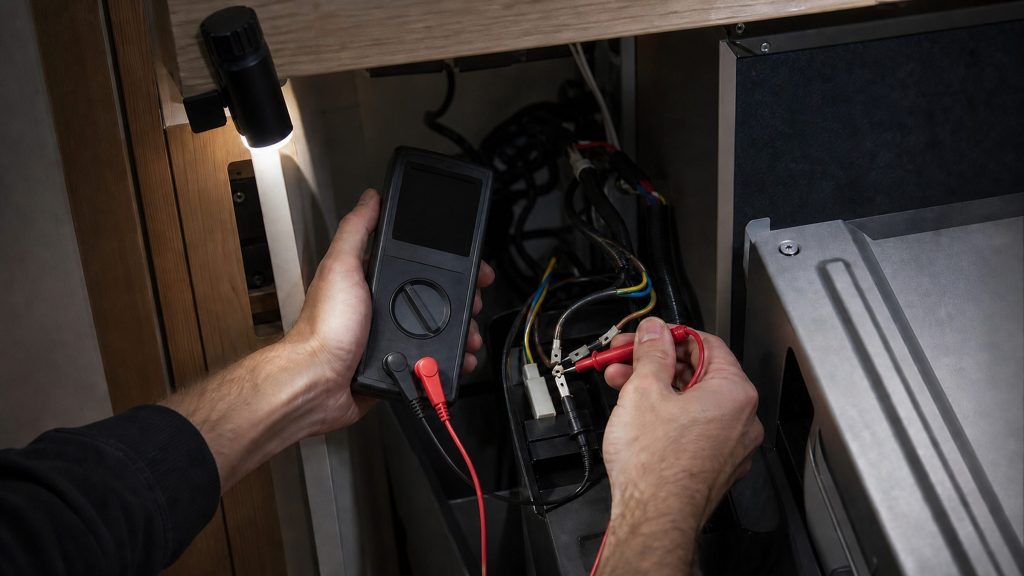
from $95 Diagnostic visit
Nobody names a part on this site until somebody has measured something. On this badge the visit starts one step earlier than it does on most makes: with the model number, because the first three digits tell us which manufacturer built the appliance and therefore which service documentation, which diagnostic sequence and which parts catalog apply. Arriving without that is guessing at three appliances at once.
- The prefix read first, then the appliance
- What it reports, measured rather than assumed
- Credited toward the repair when you go ahead
-
from $95 OEM cross reference and parts sourcing
The job that only exists on a badge-engineered appliance. A Kenmore part number is not the part number the factory used, and on a discontinued unit the difference decides whether the repair is possible at all. We cross-reference the Kenmore number to the builder's own number and tell you plainly whether the part is current, superseded or gone.
- The builder's part number, not the badge's
- Superseded numbers traced rather than guessed
- An honest answer when a part no longer exists
-
from $125 Appliance maintenance
Scheduled work in one visit rather than an emergency in three months. Condenser coils, door seals, filters, the dryer duct and the dishwasher drain path — the things that fail quietly here and take a component with them when they do. In this climate this is the service that changes the arithmetic most.
- Coils, seals, filters and the duct in one visit
- Priced below a diagnosis plus the repair it prevents
- The interval that suits South Florida rather than the manual
-
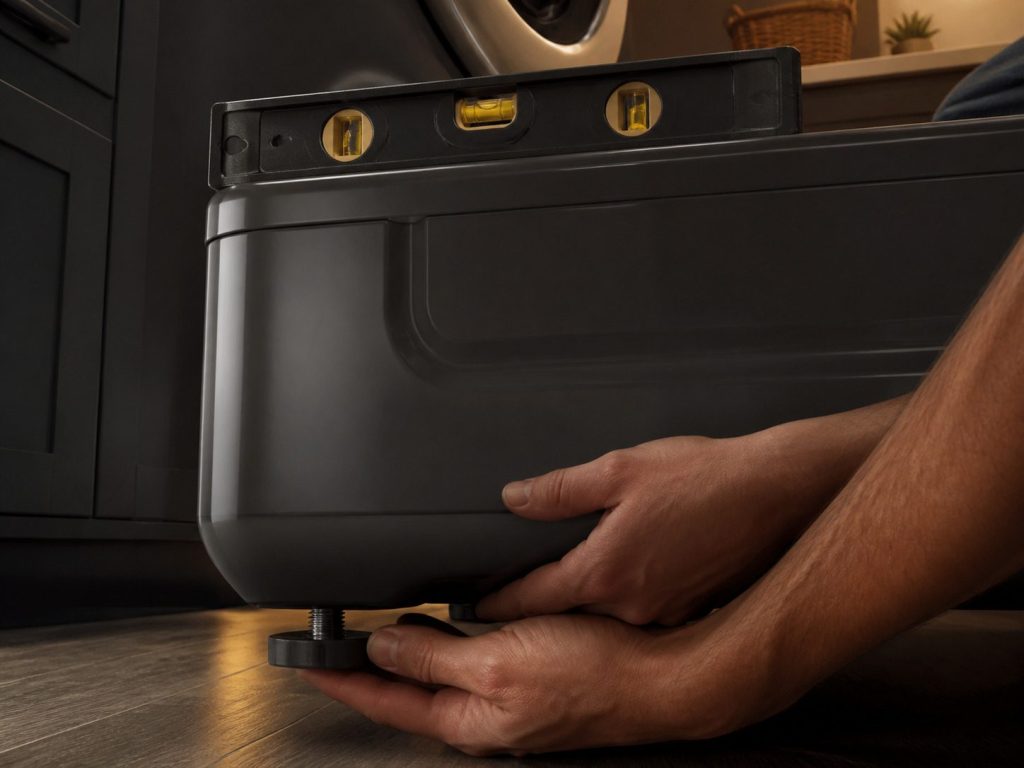
from $145 Appliance installation
Connection, leveling and a working test, done so the appliance does not spend its life fighting its installation. Half the calls we take about a new appliance are about how it went in: a drain hose without a high loop, a dryer vent crushed behind the machine, a refrigerator with no clearance at the back.
- Leveled and tested rather than plugged in
- Gas and stacked installations quoted on the job
- The install decides how the appliance ages
-
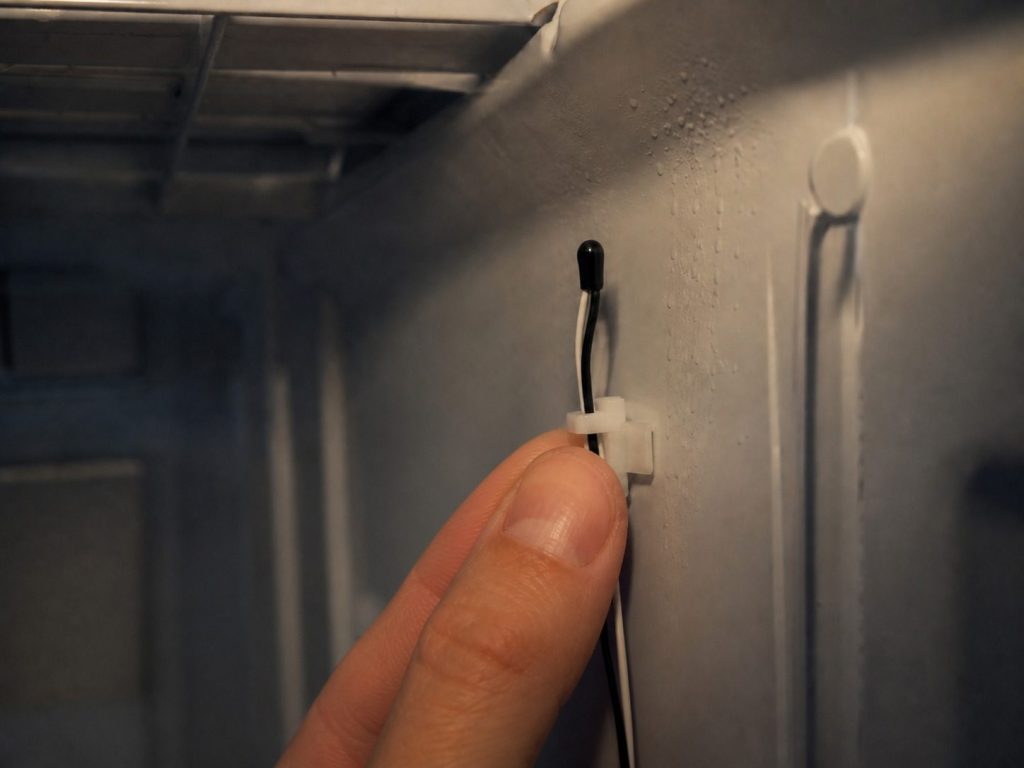
from $155 Temperature sensor replacement
The component that fails without looking like anything. A sensor that reports the wrong number makes an appliance hold a temperature it is not at, confidently and without complaint — a refrigerator that is warm while the display says it is cold, or an oven that is consistently twenty-five degrees out.
- Measured against a reference, not against the display
- A consistent offset is its signature
- Cheap to replace and easy to misdiagnose
-
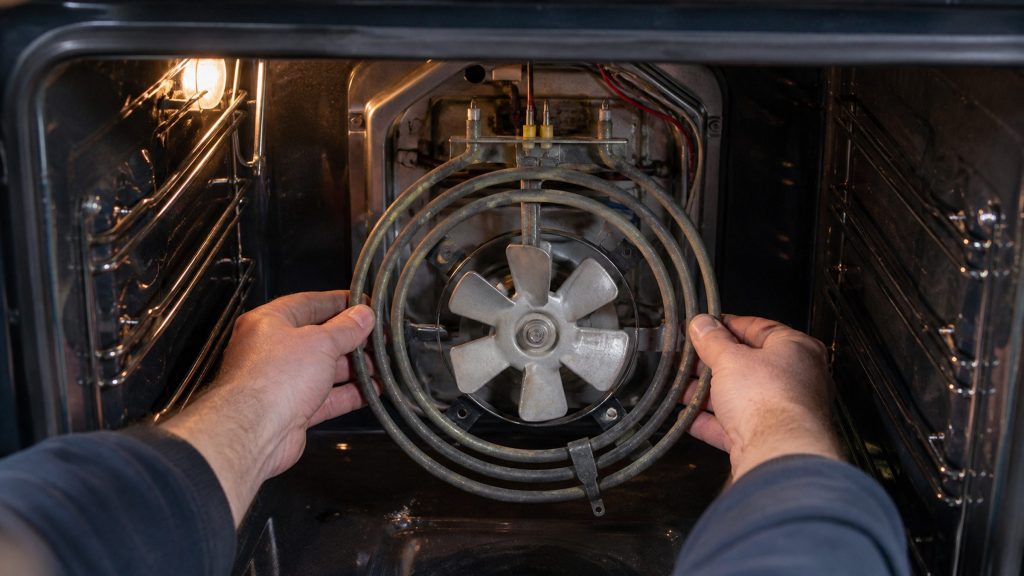
from $165 Oven element replacement
An oven that will not reach temperature, or one that browns the top and never cooks through. A failed bake element often shows it — a blister, a break, a bright spot — and it is one of the few appliance repairs where looking is genuinely diagnostic.
- Usually visible, and always tested as well
- Bake and broil are separate elements
- The sensor ruled out at the same time
-
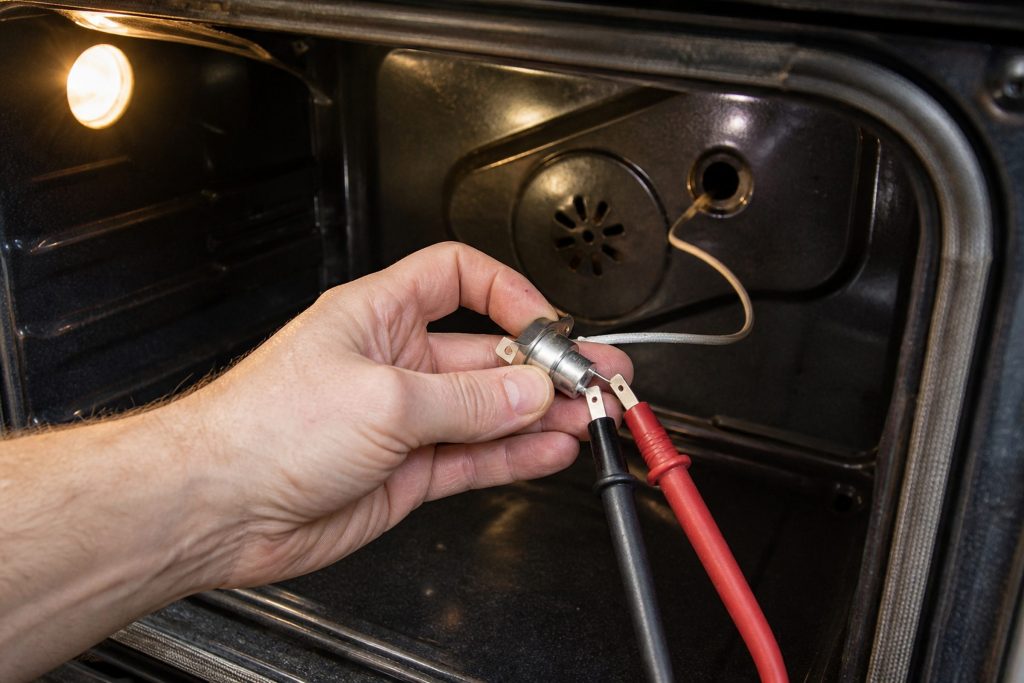
from $145 Oven sensor and calibration service
An oven that is consistently out by a fixed amount, or one that overshoots and undershoots. The first is often a calibration offset the control already provides for; the second is usually the temperature sensor, and calibrating around it only hides it.
- A fixed offset and a drifting one are different problems
- Measured against a reference probe
- Calibration where calibration is the honest answer
-
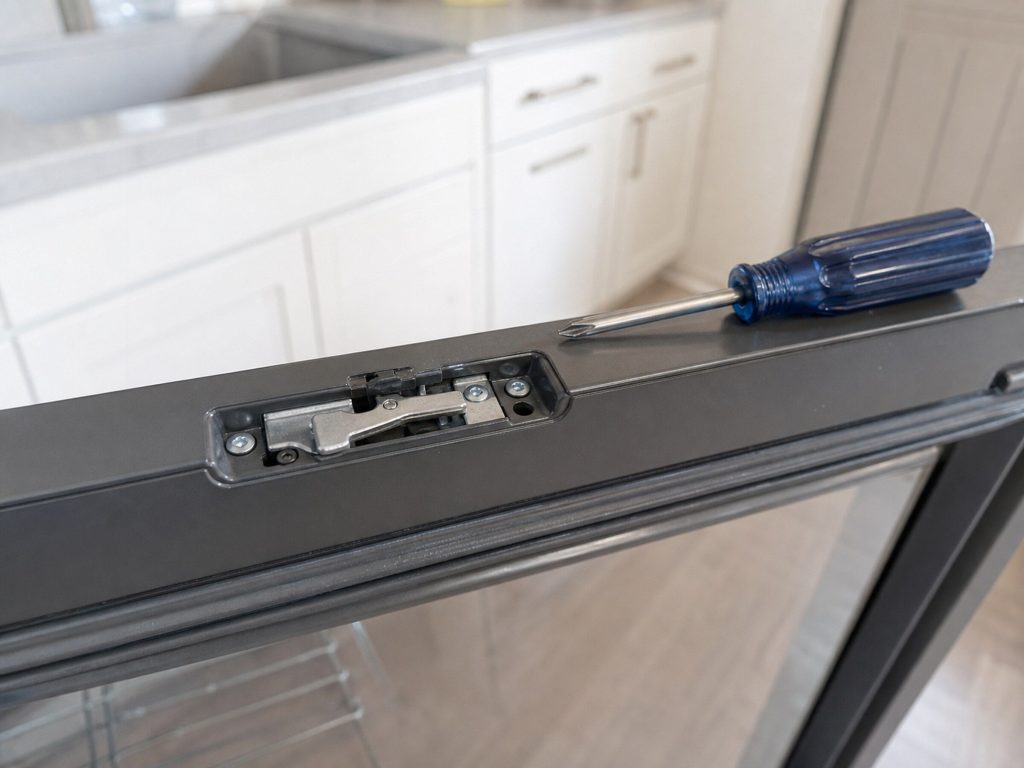
from $175 Oven door lock repair
A door that locked itself during a self-clean cycle and will not release, or one that refuses to lock when it should. The mechanism is easy to damage by forcing, and a forced door turns a modest repair into a larger one.
- Nearly always a self-clean cycle that did not complete
- Do not force it — that is the expensive mistake
- Motor switch and control tested separately
-
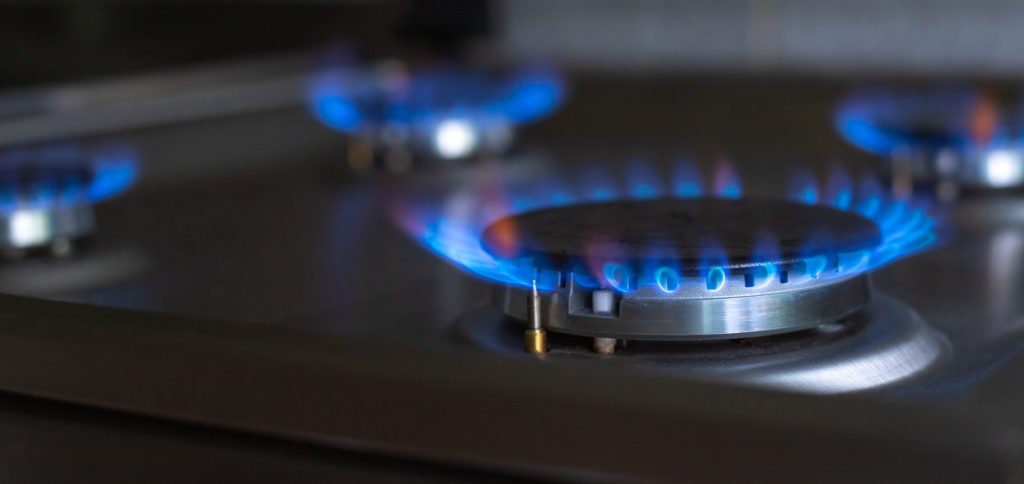
from $165 Surface igniter replacement
A gas burner that clicks and clicks and will not light. Clicking means the spark system is alive and trying, which rules out a great deal — and it is very often the burner cap seating or a blocked port rather than the igniter at all.
- Cap seating and ports checked first, for free
- Igniter tested rather than assumed
- The gas valve is rarely the answer
-
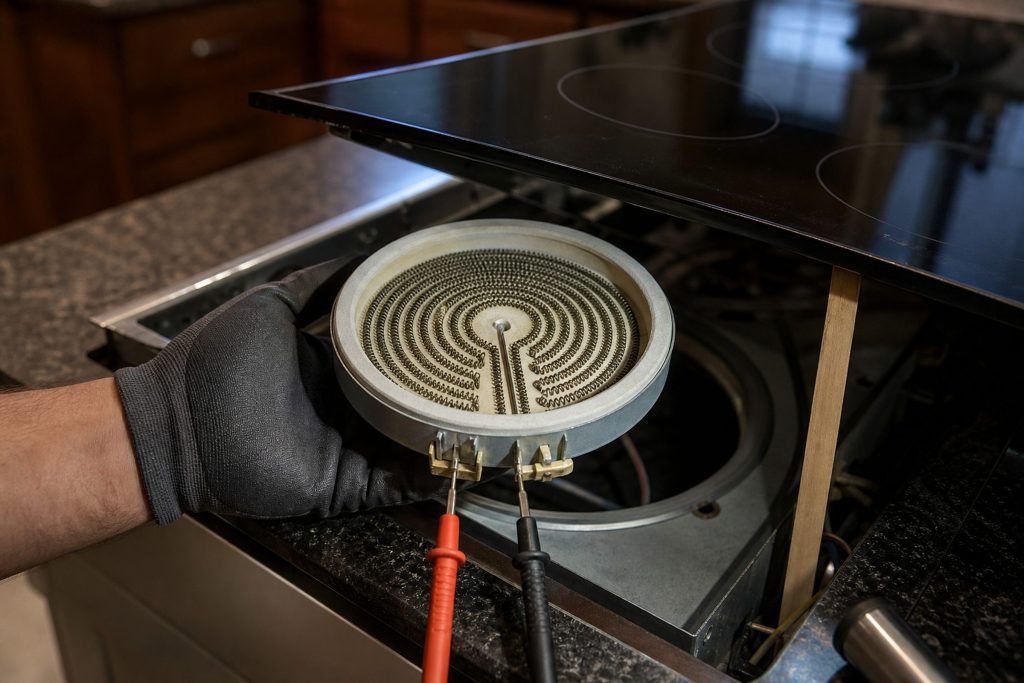
from $155 Cooktop element repair
One radiant zone dead while the others work. That pattern is good news: it points at that element or its switch rather than at anything shared, and both are accessible parts on most of these cooktops.
- One dead zone is rarely a board
- Element and switch tested separately
- Cracked glass is a stop rather than a repair
-

from $265 Appliance control board repair
The repair we rule in last and quote most carefully. A control board is the most expensive single part on most of these appliances, it is the easiest thing to blame, and on a mass-market unit it is the repair where replacing the appliance sometimes wins. We will say which.
- Ruled in by measurement, never by elimination
- Storm-season damage is a real local cause
- An honest replace-instead answer where it applies
In more detail
About Kenmore ranges
Mostly Frigidaire underneath
The Kenmore ranges we see in South Florida are predominantly Frigidaire-built, carrying the 790 prefix, with GE-built 362 units and the 911 family behind them. That decides the parts catalog, the service documentation and the code table on the display. It is also why our range code pages are titled with the builder named: a code read against another maker's table points confidently at the wrong part.
The three repairs that cover most calls
Bake element, oven temperature sensor, and surface igniter. None of them is exotic and none of them is expensive relative to the appliance. The conversation that is worth having is about the control board, which is the one repair on a mid-range range where the figure starts to approach a meaningful share of the replacement cost.
Gas and electric are different jobs
An electric range brings elements and a relay board. A gas range brings igniters, a safety valve and a flame path. The oven half of a gas range is closer to the electric one than people expect — the sensor and the control behave the same way. Tell us which you have and what it is doing, and the visit starts ahead.
What we will not do
Quote a firm price before we have seen it. The same complaint on the same range can be a sensor or a board, and those are not the same money. The exact cost is confirmed after the on-site diagnostic and agreed before anything is opened.
This article is based on:
- Official manufacturer documentation
- Internal repair procedures
- Technician repair history
- Company quality standards
Before you book
Questions about Kenmore ranges
The oven does not reach temperature, or takes forever.
Two usual answers and they are cheap to tell apart. A bake element that has failed often shows it — a blister, a break, a bright spot — and an oven running on the broil element alone browns the top and never cooks through. The other is the oven temperature sensor, which does not look like anything and simply reports the wrong number, so the oven confidently holds a temperature it is not at. An oven that is consistently out by a set amount is the sensor's signature.
A gas burner clicks and clicks and will not light.
Nearly always the igniter or the burner cap seating, not the gas valve. Clicking means the spark system is alive and trying. Take the cap and head off, make sure they are dry and seated square, and clear the port. If it still will not catch, the igniter is the usual part, and it is a modest one.
The oven door locked itself and will not open.
That is almost always a self-clean cycle that has not completed or has not cooled. The door stays locked until the cavity is below a set temperature, and that can take a long time. If it is cold and still locked, the lock motor or its switch is the usual answer. Do not force it — the mechanism is easy to break and it turns a small job into a bigger one.
Is a range code a Kenmore code?
No. On a 790 range it is Frigidaire's code, and the meaning comes from Frigidaire's own material. Our pages say so on every one, and where a builder publishes nothing for an appliance we publish nothing and say that too.
Where we do it
Across Miami-Dade, Broward, and Palm Beach
Same terms everywhere we go: an on-site diagnostic first, the price agreed in writing, and the exact figure confirmed once we have seen the unit.
Neighborhoods people ask for by name